
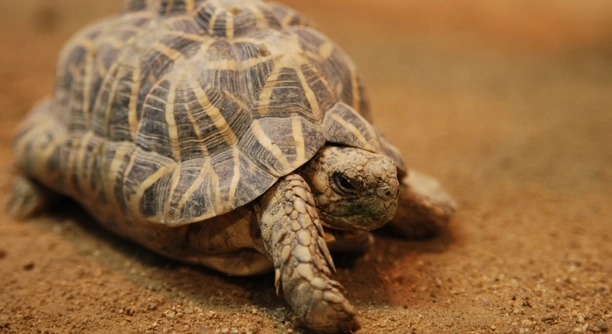
Creating a proper habitat for your Indian Star Tortoise requires understanding its needs for comfort and well-being. Ensuring the right environment can promote long-term health and happiness for this unique reptile.
A proper habitat for an Indian Star Tortoise includes the right temperature, humidity, proper lighting, an appropriate enclosure size, a safe substrate, hiding spaces, and a balanced diet. These factors are essential for their overall health and comfort.
Setting up a proper habitat helps create the best environment for your tortoise’s health and happiness.
Temperature and Humidity: Key Elements for Your Tortoise’s Health
Maintaining the right temperature and humidity levels is crucial for the well-being of your Indian Star Tortoise. These reptiles thrive in warm conditions with temperatures between 80°F and 95°F during the day. At night, it’s important to allow the temperature to drop to around 70°F to mimic their natural environment. Proper humidity levels also play a role in their health, as they require humidity between 50% and 70%.
Providing a temperature gradient within the enclosure will allow your tortoise to move between warmer and cooler areas as needed. Use a reliable thermostat and thermometer to monitor the environment accurately. Proper heating can be achieved with heat lamps, while a humidity gauge will help you track moisture levels.
Temperature and humidity are vital to the tortoise’s digestion, overall health, and comfort. Without the right balance, your tortoise may suffer from issues like dehydration, poor digestion, or respiratory infections. Keeping these elements in check ensures your pet’s long-term happiness.
Enclosure Size and Design: A Proper Home for Your Tortoise
The size and design of the enclosure are essential for a tortoise’s comfort. A spacious environment allows for healthy movement.
A proper enclosure should be at least 4×2 feet for one adult tortoise. It must also provide areas for both basking and hiding. The enclosure design should encourage natural behaviors, such as digging and exploring.
Substrate: Choosing the Right Bedding
The substrate serves as the floor of your tortoise’s habitat. Choose a natural, absorbent material like coconut coir, cypress mulch, or grass hay. Avoid sand or gravel, which can cause digestion issues if ingested.
A good substrate should provide both comfort and practicality. It should be easy to clean, hold moisture to maintain humidity levels, and allow your tortoise to burrow. Regular cleaning is essential to prevent bacteria build-up. Replace the substrate as needed to maintain a healthy environment. This choice plays a big part in both the tortoise’s health and comfort.
Lighting: Essential for Vitamin D3 Production
Proper lighting is a crucial element in your tortoise’s habitat. Ensure it includes UVB light to support their vitamin D3 synthesis. This allows them to absorb calcium effectively and prevents metabolic bone disease.
A combination of UVB bulbs and basking lamps will ensure your tortoise can stay healthy. Place the lights in areas where they can bask for a few hours each day. UVB light should be replaced regularly, as it loses effectiveness over time. Proper lighting helps maintain your tortoise’s strength and shell health.
Hiding Spaces: Providing Comfort and Security
Tortoises need hiding spaces to feel secure and reduce stress. Use ceramic hides, logs, or plants to create sheltered spots in their enclosure. Ensure they have easy access to these areas at all times.
These hiding spots mimic the natural shelters tortoises use in the wild. It’s essential to have at least one hiding place on each side of the enclosure to accommodate different needs. Make sure the hides are large enough for the tortoise to move freely in, but small enough to feel enclosed. Regularly check that the spaces remain clean and free of debris.
Diet: A Balanced and Varied Approach
A balanced diet for your Indian Star Tortoise includes a variety of leafy greens, grasses, and flowers. Offer foods like dandelion greens, clover, and hibiscus, avoiding high-protein items such as fruits or meat.
Feeding your tortoise a diet high in fiber and low in protein is essential to prevent health problems. Provide fresh food daily and remove uneaten portions to avoid spoilage. Always offer fresh water alongside their meals to keep them hydrated. A varied diet helps maintain their digestive health and strengthens their immune system. Be cautious with certain foods, as some can be toxic to tortoises.
Water: Hydration is Vital
Your tortoise needs access to fresh water daily. Place a shallow dish in their habitat, ensuring it’s easy for them to drink from without getting stuck.
Regular water changes are important to keep the water clean. Dehydration can lead to serious health problems, so always monitor their water intake. Some tortoises also enjoy soaking in a shallow dish, which can help with hydration and prevent skin issues.
FAQ
What is the best substrate for my Indian Star Tortoise?
Coconut coir, cypress mulch, and grass hay are excellent choices for substrate. These materials are absorbent, allowing you to maintain proper humidity levels. They are also natural and safe, ensuring your tortoise can burrow comfortably. Avoid using sand or gravel, as they can cause digestive problems if ingested.
How often should I change the substrate?
Substrate should be changed every 4 to 6 weeks, depending on the level of cleanliness and humidity. Spot cleaning should be done daily to remove waste. Over time, the substrate may lose its moisture-retaining ability, so it’s essential to replace it regularly to maintain a healthy environment.
Can I use sand in the habitat?
Sand is not recommended for an Indian Star Tortoise’s habitat. While it may appear natural, it can lead to health issues if ingested, causing impaction in their digestive system. Instead, opt for safer materials like coconut coir or cypress mulch, which provide better moisture retention and comfort.
How much space does my tortoise need?
A single adult Indian Star Tortoise needs an enclosure of at least 4 feet by 2 feet. The larger the enclosure, the better, as it provides more room for exercise and natural behaviors. Adding vertical space with climbing elements is also beneficial for enriching the environment.
What kind of lighting does my tortoise need?
Indian Star Tortoises need both UVB and basking light. UVB light is essential for their vitamin D3 production, which helps with calcium absorption. A basking lamp should provide a hot spot around 95°F. Position the UVB light and basking lamps over the warmest area of the enclosure.
How long should my tortoise bask each day?
Your tortoise should bask for about 4 to 6 hours each day under a UVB light. Basking helps them regulate their body temperature, promotes digestion, and supports overall health. Always make sure your tortoise has access to a cooler area as well, to prevent overheating.
Can I keep more than one tortoise together?
While Indian Star Tortoises can be kept together, it’s best to avoid housing multiple males, as they may become territorial. If housing multiple tortoises, ensure they have ample space, with separate basking areas and hides to reduce stress and potential conflicts.
What temperature should I maintain in the enclosure?
The daytime temperature in your tortoise’s enclosure should range between 80°F and 95°F, with a basking spot reaching up to 100°F. At night, the temperature should drop to around 70°F. Use a reliable thermostat and thermometer to monitor these levels accurately.
How do I ensure proper humidity for my tortoise?
To maintain the right humidity levels (50-70%), mist the enclosure lightly once or twice a day. You can also use a humidifier or water dish to help maintain the moisture level. Be sure to check the humidity regularly with a hygrometer and adjust accordingly to prevent the habitat from becoming too dry or damp.
What should I feed my Indian Star Tortoise?
An Indian Star Tortoise’s diet should include a variety of leafy greens like dandelion greens, collard greens, and clover. Grasses such as timothy hay and flowers like hibiscus are also great options. Avoid high-protein foods like fruit and ensure the diet remains low in fat and high in fiber.
How often should I feed my tortoise?
Feed your tortoise daily, providing fresh vegetables, grasses, and some occasional flowers. Make sure that any uneaten food is removed by the end of the day to avoid spoilage. Always provide fresh water along with their meals to keep them hydrated.
Can I give my tortoise fruits or vegetables?
You can occasionally offer fruits, but they should be limited due to their high sugar content. Fruits should not make up more than 10-20% of your tortoise’s diet. Vegetables like kale, turnip greens, and mustard greens are better staples. It’s important to avoid feeding iceberg lettuce, as it lacks nutritional value.
How can I tell if my tortoise is sick?
Signs of illness in a tortoise can include lethargy, loss of appetite, irregular breathing, swollen eyes, or abnormal shell growth. If you notice any of these symptoms, it’s best to take your tortoise to a reptile vet for an examination. Regular health check-ups are recommended to monitor their condition.
Do I need to soak my tortoise?
Soaking your tortoise in shallow warm water a few times a week can help with hydration and shell health. However, ensure the water is shallow enough for them to climb out of easily. Soaking also helps prevent dehydration and can be a soothing activity for your tortoise.
How long do Indian Star Tortoises live?
Indian Star Tortoises can live for 50 years or more with proper care. Their lifespan can vary based on environmental factors, diet, and overall health. Providing a consistent, well-maintained habitat will ensure a long, healthy life for your tortoise.
Is it necessary to have a substrate in my tortoise’s enclosure?
Yes, a substrate is necessary. It helps maintain the right humidity and allows the tortoise to exhibit natural behaviors such as burrowing. Without a substrate, the habitat will not be as comfortable or suitable for the tortoise’s well-being.
Final Thoughts
Creating the proper habitat for your Indian Star Tortoise is essential for its health and well-being. The right environment supports its natural behaviors, such as basking, foraging, and burrowing. Without the proper care, a tortoise can suffer from stress, dehydration, or malnutrition, which can lead to serious health issues. It is crucial to pay attention to factors such as temperature, humidity, diet, and hiding spaces to ensure your tortoise thrives. A well-maintained habitat allows your tortoise to live a long and happy life.
The key to success is consistency. Regularly check and adjust the temperature and humidity levels to make sure they stay within the ideal range for your tortoise. A balanced diet with plenty of fiber, low in protein, and fresh water is important for its digestive health. Offering a variety of leafy greens and flowers will help keep your tortoise satisfied and well-nourished. Removing uneaten food daily will prevent the growth of mold or bacteria, which can affect your tortoise’s health. Additionally, providing appropriate hiding spots and space allows the tortoise to feel secure and comfortable.
When you establish a proper routine for your Indian Star Tortoise, you create a healthy and enriching environment that promotes its overall well-being. Keep monitoring its behavior, health, and living conditions, as tortoises can be sensitive to changes in their habitat. If you notice any signs of illness, it’s important to consult a reptile veterinarian for advice. By offering proper care and attention, you’ll provide your tortoise with a long, healthy life and a happy home.

Hello,
If you enjoy the content that we create, please consider saying a "Thank You!" by leaving a tip.
Every little bit helps us continue crafting quality advice that supports the health, happiness, and well-being of pets around the world, for pets of all shapes, sizes, and species.
We really appreciate the kindness and support that you show us!