
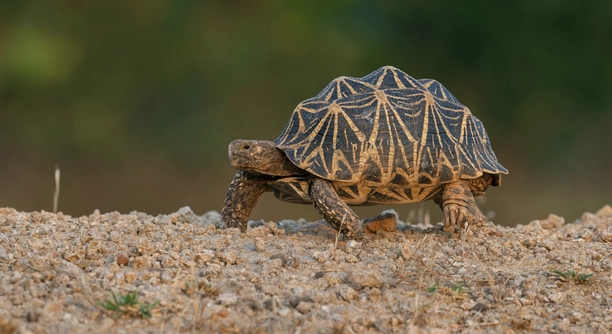
Is your Indian star tortoise’s shell not as strong as it should be? Proper nutrition plays a key role in shell development. Feeding the right foods can support healthy growth and prevent issues related to weak or brittle shells.
Providing your Indian star tortoise with calcium-rich foods like leafy greens, cuttlebone, and certain vegetables helps strengthen its shell. Balanced nutrition, including proper hydration and UVB exposure, is essential for maintaining shell integrity and preventing deformities or softening over time.
A well-rounded diet can make a difference in your tortoise’s overall health. Learning which foods support shell growth will help you provide the best care possible.
Importance of a Strong Shell
A strong shell is essential for your Indian star tortoise’s overall health. It provides protection and supports bodily functions. Without proper nutrition, the shell can become soft, making the tortoise more vulnerable to injuries and infections. A well-balanced diet is key to preventing these issues.
Calcium is the most important mineral for shell growth. Foods like dark leafy greens, calcium-rich vegetables, and cuttlebone help maintain shell strength. Without enough calcium, the shell may develop deformities or become weak, leading to long-term health concerns.
In addition to calcium, vitamin D3 is necessary for proper absorption. Without adequate exposure to UVB light, your tortoise may struggle to process calcium efficiently. A varied diet with the right balance of nutrients, combined with proper lighting and hydration, helps maintain a strong, healthy shell.
Best Foods for Shell Growth
Feeding the right foods ensures your tortoise gets the necessary nutrients for shell development. Leafy greens, vegetables, and natural calcium sources should be included in its diet.
Dark, leafy greens like collard greens, dandelion greens, and mustard greens provide essential vitamins and minerals. These greens are rich in calcium, which is necessary for shell strength. Avoid spinach, as it can interfere with calcium absorption.
Calcium-rich vegetables like butternut squash, okra, and snap peas help support shell growth. Offering cuttlebone or calcium powder as a supplement ensures your tortoise gets enough calcium. Hydration also plays a role in shell health, so fresh water should always be available. A well-balanced diet with the right nutrients helps keep your tortoise’s shell strong and healthy.
The Role of Protein in Shell Development
Protein plays a supportive role in shell growth. While calcium is essential, protein helps maintain overall tissue health. A moderate amount of plant-based protein sources, such as hibiscus flowers and legumes, can provide additional nutrients without causing excessive growth or metabolic issues.
Overfeeding protein can lead to abnormal shell growth, known as pyramiding. This condition results in raised scutes and an uneven shell surface. Indian star tortoises require a diet primarily based on fibrous plants, with protein making up only a small portion. Natural sources like hibiscus, alfalfa, and certain legumes provide necessary amino acids without excessive protein intake. A diet too rich in protein can contribute to kidney strain and other health problems. Balanced feeding, with a focus on fiber and calcium, prevents these issues while still supporting healthy growth.
Ensuring proper hydration helps the body process protein efficiently. Dehydration can contribute to metabolic waste buildup, affecting kidney function and shell health. Providing fresh water daily, along with moisture-rich foods like cactus pads and cucumbers, supports digestion and overall health. A diet balanced in fiber, calcium, and moderate protein keeps the tortoise’s shell strong while preventing growth abnormalities.
The Impact of Hydration on Shell Strength
Hydration helps maintain a tortoise’s shell structure by supporting cellular function and preventing dehydration-related issues. A well-hydrated tortoise is less likely to experience shell deformities or excessive hardness. Proper hydration also aids digestion and nutrient absorption, ensuring that calcium and other minerals are effectively utilized.
Soaking your tortoise in shallow, lukewarm water a few times a week helps prevent dehydration. This is especially important for younger tortoises, as their shells are still developing. In addition to regular soaking, offering moisture-rich foods like aloe vera, cactus pads, and cucumbers helps maintain hydration levels. Dehydration can contribute to shell softening and other health concerns, making hydration a key factor in overall well-being.
A lack of hydration can lead to retained urates, kidney issues, and improper calcium metabolism. These issues directly affect shell strength and overall health. Ensuring your tortoise has access to clean water at all times, combined with a high-fiber, moisture-rich diet, supports hydration. Providing a humid hide can also help, especially in drier environments. Proper hydration, combined with a well-balanced diet, plays a crucial role in maintaining a strong and healthy shell.
Foods to Avoid for Shell Health
High-oxalate foods, such as spinach and beet greens, can interfere with calcium absorption. These foods bind to calcium, making it harder for the body to use. Feeding them regularly can lead to deficiencies, weakening the shell over time. It is best to choose low-oxalate greens instead.
Processed foods, fruits high in sugar, and excessive animal protein can also negatively impact shell health. Fruits should be given sparingly, as too much sugar can disrupt digestion. Animal protein is not suitable for Indian star tortoises and may lead to metabolic disorders. Sticking to natural, plant-based foods ensures proper shell growth.
The Importance of UVB Exposure
UVB lighting is essential for calcium metabolism. Without it, the body cannot produce enough vitamin D3, leading to poor calcium absorption. Indian star tortoises need daily exposure to natural sunlight or a high-quality UVB lamp to maintain strong and healthy shells.
Final Considerations
A well-balanced diet and proper environmental conditions are key to a strong shell. Focusing on calcium-rich foods, hydration, and UVB exposure helps prevent shell deformities and other health concerns. Making small adjustments to diet and care can have a lasting impact on overall well-being.
FAQ
What should I feed my Indian star tortoise to help its shell grow stronger?
The key to strong shell growth is a diet rich in calcium and fiber. Leafy greens like collard greens, dandelion greens, and mustard greens are excellent choices. Adding vegetables like squash, peas, and carrots provides essential nutrients. Cuttlebone can also be offered as a calcium supplement. Protein should be kept to a minimum, with hibiscus flowers, dandelion petals, and alfalfa providing a small amount. Always avoid spinach and other high-oxalate vegetables, as they interfere with calcium absorption. Hydration is also important, so include moisture-rich foods like cucumber and aloe vera.
How often should I feed my tortoise these foods?
Indian star tortoises should be fed fresh vegetables daily, offering a variety of calcium-rich greens. A balanced diet should be provided every day, but protein sources should be limited to two or three times a week. Cuttlebone or calcium supplements should always be available to ensure adequate calcium intake. Fresh water should also be offered daily, and hydration should be monitored closely. It’s important to provide the right portion sizes to prevent overfeeding and ensure your tortoise’s diet stays balanced and healthy.
Can I give my tortoise fruits?
Fruits should be offered in moderation. They are high in sugar and can cause digestive upset if fed in excess. Small amounts of fruits like apples, pears, and strawberries can be given occasionally as treats. Avoid sugary fruits like grapes and bananas, as these can cause imbalances in your tortoise’s diet. When offering fruits, always remove seeds or pits that might be harmful. Ensure that fruits are a small part of the overall diet, making up no more than 10% of what your tortoise eats.
Why is UVB lighting important for my tortoise’s shell health?
UVB lighting is essential for your tortoise’s ability to produce vitamin D3, which helps the body absorb calcium. Without UVB exposure, your tortoise cannot effectively process calcium from its food, which can lead to soft or malformed shells. It’s crucial to provide UVB lighting for 10 to 12 hours a day, either from natural sunlight or a UVB lamp. If using artificial light, choose a high-quality UVB bulb designed for reptiles and replace it regularly to ensure optimal performance. Ensure the light is positioned properly to cover the tortoise’s basking area.
How often should I soak my tortoise?
Soaking your Indian star tortoise a few times a week is essential for maintaining hydration. Soaking encourages your tortoise to drink and helps prevent dehydration, which can lead to shell problems and other health issues. A shallow soak in lukewarm water for 15 to 30 minutes is ideal. Make sure the water level is low enough that your tortoise can comfortably stand. Avoid hot or cold water, as it can cause stress or shock. Never leave your tortoise unsupervised during a soak.
What temperature should my tortoise’s habitat be?
Indian star tortoises thrive in temperatures between 80°F and 85°F (27°C to 29°C) during the day. Their basking area should be warmer, around 90°F to 95°F (32°C to 35°C). At night, temperatures can drop to around 70°F to 75°F (21°C to 24°C). Proper temperature gradients in the habitat are necessary for your tortoise to regulate its body temperature. Providing a warm, dry basking spot and a cooler, shaded area will help your tortoise stay comfortable and healthy. Be sure to use a thermometer to monitor temperature levels consistently.
What can cause my tortoise’s shell to become soft or deformed?
Soft or deformed shells are often caused by calcium deficiency, lack of UVB light, or dehydration. If your tortoise isn’t getting enough calcium, its shell will be weak and may become soft over time. Insufficient UVB exposure also prevents calcium absorption, leading to similar issues. Dehydration can also weaken the shell, causing it to become soft or misshapen. Ensure that your tortoise is eating a balanced diet, getting enough calcium, has proper UVB lighting, and is hydrated regularly to avoid these problems.
Is it okay to give my tortoise animal protein?
Indian star tortoises are herbivores, and their diet should primarily consist of plants. Animal protein can cause metabolic issues and promote rapid growth, which may lead to shell deformities like pyramiding. Small amounts of protein can be included occasionally in the form of hibiscus flowers or small pieces of legume-based products, but it should not be a regular part of their diet. Avoid feeding them animal-based protein like meat or insects, as this can be harmful to their digestive system.
How long does it take for an Indian star tortoise’s shell to grow strong?
Shell growth takes time and is dependent on several factors, including diet, hydration, UVB exposure, and overall care. For young tortoises, their shells can continue to develop and harden over several years. It’s essential to provide consistent care and a proper diet to ensure healthy shell growth. With the right conditions, you can expect gradual strengthening over time. If shell issues persist, consult a veterinarian for advice and possible treatment.
Can I use cuttlebone to supplement my tortoise’s calcium intake?
Yes, cuttlebone is an excellent source of calcium for Indian star tortoises. It can be offered daily as a supplement to ensure your tortoise is getting enough calcium for shell development. Simply place the cuttlebone in the enclosure, and your tortoise will chew on it as needed. Be sure to replace it if it becomes too small to be effective. Cuttlebone is a natural, safe source of calcium that works well alongside a diet of calcium-rich vegetables.
How can I tell if my tortoise is getting enough calcium?
Signs of calcium deficiency include a soft or pliable shell, which may bend or deform under pressure. If your tortoise’s shell becomes unusually soft or shows signs of pyramiding (raised, uneven scutes), it may not be getting enough calcium. Check the diet for adequate calcium sources and ensure that UVB lighting is in place to help the tortoise process the calcium properly. If the issue persists, consult a veterinarian who can provide additional guidance and possibly suggest calcium supplements.
Final Thoughts
Providing the right diet and care for your Indian star tortoise is essential for its long-term health and well-being. A balanced diet that includes plenty of calcium-rich foods, such as leafy greens, along with occasional treats like fruits, will support healthy shell growth. Incorporating cuttlebone as a supplement can help maintain proper calcium levels. Always remember to avoid high-oxalate vegetables, like spinach, as they can interfere with calcium absorption. Ensuring your tortoise receives the right nutrients will prevent soft shells and other health issues.
UVB lighting plays a vital role in your tortoise’s ability to process calcium. Without UVB light, your tortoise cannot absorb calcium effectively, leading to weakened shell development. It’s important to provide appropriate lighting that mimics natural sunlight, along with proper basking temperatures, to create an environment where your tortoise can thrive. Additionally, maintaining a hydration routine through soaking and offering moisture-rich foods will help your tortoise stay healthy. Remember, a proper temperature gradient in its habitat is just as important as its diet.
Regular monitoring of your tortoise’s condition is necessary. Keep an eye on its shell and overall behavior to ensure it is healthy and growing properly. If you notice any signs of calcium deficiency, such as a soft or deformed shell, take action quickly. This may involve adjusting its diet, improving UVB exposure, or consulting a veterinarian for advice. By giving your Indian star tortoise the proper care and attention, you can help it live a long and healthy life with a strong, well-developed shell.

Hello,
If you enjoy the content that we create, please consider saying a "Thank You!" by leaving a tip.
Every little bit helps us continue crafting quality advice that supports the health, happiness, and well-being of pets around the world, for pets of all shapes, sizes, and species.
We really appreciate the kindness and support that you show us!