
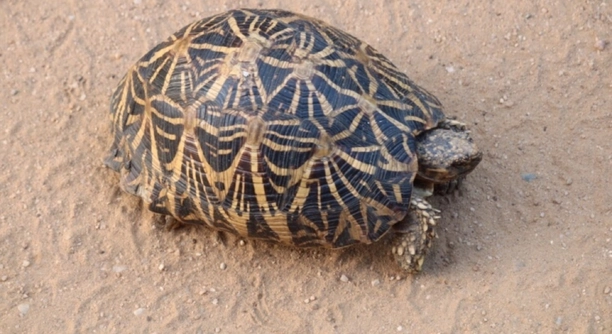
Parasites can pose a significant risk to the health of Indian Star Tortoises, causing discomfort and long-term damage. Understanding how to prevent and treat these parasites is key to maintaining your tortoise’s well-being.
Preventing and treating parasites in Indian Star Tortoises requires careful attention to their environment, diet, and overall care. Regular veterinary check-ups, proper hygiene, and parasite treatments are essential steps to protect these tortoises from harmful infections.
By following these guidelines, you can ensure a healthier life for your tortoise and prevent potential complications caused by parasites.
Common Parasites Affecting Indian Star Tortoises
Indian Star Tortoises can suffer from various parasites, including mites, ticks, and internal worms. These parasites often thrive in unclean environments and can affect tortoises’ skin, shell, and overall health. Signs of parasitic infections include lethargy, lack of appetite, or visible irritation on the skin. Mites, for example, can cause tortoises to scratch and rub against surfaces, leading to damaged skin.
A clean environment is essential to prevent parasitic issues. Regular cleaning of the enclosure and providing a controlled, safe space can minimize the risk of infestation. Additionally, if your tortoise shows any signs of illness, it’s crucial to act quickly to prevent worsening conditions.
Internal parasites can be harder to detect. Monitoring your tortoise’s eating habits, behavior, and waste is key. If your tortoise becomes weak or loses weight, internal parasites might be the cause. Regular vet check-ups are the best way to ensure your tortoise remains free from internal infections.
Preventing Parasitic Infections
Parasites often enter tortoises through contaminated food or dirty water. Ensuring your tortoise’s living space is cleaned frequently will keep external pests at bay. Providing clean food and water sources helps protect your tortoise from ingesting harmful organisms.
Proper diet and hygiene are important factors in keeping parasites away. Regularly wash vegetables and fruits to eliminate any potential contaminants. Offering fresh water daily and ensuring the enclosure remains dry and clean are essential steps in protecting your tortoise’s health.
Many owners also opt for periodic treatment to prevent internal parasites. De-worming medication, administered under the guidance of a veterinarian, can keep internal parasites at bay. It’s important not to rely solely on prevention but to remain vigilant in monitoring your tortoise’s health, even when taking proactive steps.
Identifying Parasites in Indian Star Tortoises
Parasites can sometimes be tricky to identify, but watching for certain behaviors helps. If your tortoise scratches excessively, shows reduced appetite, or appears unusually tired, it may be a sign of infestation.
Mites are often visible on the tortoise’s skin and shell. They may appear as small, dark specks. Ticks, on the other hand, can attach to the skin and are more noticeable due to their larger size. If you notice any unusual marks or swelling on your tortoise, it’s best to inspect them closely for any visible pests. Regular health checks can help identify these issues early.
Internal parasites may not show obvious signs. If your tortoise is lethargic, has changes in its droppings, or begins losing weight, these could all be signs of internal parasites. Stool samples tested by a vet can confirm the presence of these parasites.
Treating External Parasites
External parasites such as mites or ticks can be treated effectively with topical treatments. These treatments kill the parasites and also provide a preventive measure for future infestations. A visit to the vet can help determine the right medication for your tortoise.
Once treated, the enclosure must be thoroughly cleaned to remove any remaining mites or ticks. Disinfecting all surfaces, including the tortoise’s hiding spots, is essential to ensure the environment is parasite-free. Using a UV light can also help spot any hidden mites that might not be easily visible to the naked eye.
Regular bathing of your tortoise can aid in removing parasites from the skin. Gently scrub the tortoise with a soft brush to ensure no parasites remain after treatment. Be sure to dry the tortoise thoroughly afterward to avoid any infections from standing water.
Treating Internal Parasites
Internal parasites, like worms, are harder to detect but can cause serious damage if left untreated. Loss of appetite, lethargy, or irregular droppings are common symptoms to watch for.
A veterinarian will likely prescribe de-worming medication. These medications come in different forms, such as oral treatments or injections, depending on the type of parasite. Administering the proper dosage as instructed is key to ensuring effectiveness.
In addition to medication, your tortoise’s diet should be reviewed. Providing nutrient-rich food can help support its recovery and overall health. Regular check-ups can monitor any re-infestation and ensure the tortoise remains parasite-free.
The Role of Hygiene
Hygiene plays a critical role in preventing parasites from returning. Regular cleaning of the enclosure reduces the risk of re-infestation.
Daily removal of waste, along with the weekly deep clean, keeps the environment sanitary. Clean all surfaces with a non-toxic disinfectant. Washing bedding and hiding spots also reduces parasite exposure.
Proper food and water handling is equally important. Always offer fresh, clean food and water daily, and wash vegetables before feeding them.
FAQ
How often should I check my tortoise for parasites?
It’s best to check your tortoise for parasites every few weeks, especially if it shows any signs of illness. If your tortoise is housed with other animals, it’s a good idea to be extra vigilant. Regular checks ensure you catch any issues early before they worsen.
What are the signs of mites on a tortoise?
Mites often appear as tiny black or dark brown specks on your tortoise’s skin and shell. Your tortoise may start to scratch more often or rub against objects. If mites are left untreated, they can cause irritation, skin damage, and even shell problems.
Can I treat my tortoise for parasites at home?
While some treatments, like cleaning the enclosure and giving your tortoise a bath, can be done at home, it’s crucial to consult a vet for appropriate treatment. A vet can prescribe the right medications and provide guidance on how to safely administer them.
Are external parasites harmful to my tortoise?
Yes, external parasites like mites and ticks can be harmful. They can cause skin irritation, infections, and even affect your tortoise’s behavior and overall health. If left untreated, these parasites can lead to severe health issues.
How do I treat parasites in my tortoise’s habitat?
To treat parasites in the habitat, you need to thoroughly clean and disinfect the enclosure. Remove all bedding, clean the surfaces with a safe disinfectant, and replace the bedding with fresh material. If ticks or mites are present, you might need to treat the entire enclosure with an appropriate solution.
What kind of deworming treatment should I use?
Deworming treatments should always be prescribed by a vet. They will recommend the correct medication based on the type of parasite affecting your tortoise. Oral deworming medications or injectable treatments are commonly used, depending on the specific needs.
Can I use over-the-counter medications for my tortoise?
It’s better to avoid over-the-counter medications for treating parasites unless recommended by a vet. Some treatments may not be safe for tortoises, and improper use could lead to more harm than good. Always consult your vet before using any medication.
How can I prevent parasites from reappearing?
The best way to prevent parasites from returning is by maintaining good hygiene. Clean your tortoise’s enclosure regularly, remove waste daily, and disinfect thoroughly once a week. You should also provide fresh, clean food and water daily and ensure your tortoise’s environment stays dry and free from moisture.
What happens if my tortoise gets a parasite and I don’t treat it?
If left untreated, parasites can lead to serious health problems for your tortoise. They may cause skin damage, weight loss, dehydration, or internal damage. In some cases, untreated parasites can be fatal. It’s essential to take action quickly to prevent further complications.
Can parasites affect my tortoise’s shell?
Yes, certain parasites like mites can cause damage to the tortoise’s shell. If left untreated, they can lead to scarring, infection, and even shell deformities. It’s important to treat parasites as soon as possible to avoid long-term damage.
Is it normal for my tortoise to scratch a lot?
While some scratching is normal, excessive scratching could be a sign of parasites, especially if it’s accompanied by skin damage or irritation. If your tortoise starts scratching more frequently, check for mites or other external pests.
What can I do if my tortoise has worms?
If you suspect your tortoise has worms, it’s important to take it to a vet for an accurate diagnosis and treatment. A vet will typically prescribe deworming medication to remove the worms and prevent any further health issues.
Should I isolate my tortoise if it has parasites?
If your tortoise has visible parasites, it’s a good idea to isolate it from other animals to prevent the spread of parasites. This is especially important for mites or ticks, which can easily transfer to other tortoises or pets.
Can parasites be transmitted between tortoises?
Yes, parasites can be transmitted between tortoises, particularly through shared living spaces, food, or water. To prevent this, keep your tortoises in separate enclosures and ensure each one has its own food and water source. If one tortoise shows signs of parasites, it’s best to isolate it and treat it right away.
How often should I disinfect my tortoise’s habitat?
A weekly deep cleaning of the habitat is recommended to prevent the buildup of harmful bacteria and parasites. This includes removing waste, cleaning surfaces with a safe disinfectant, and replacing bedding. Daily spot cleaning helps reduce the chance of parasites taking hold.
Can tortoises get internal parasites from their food?
Yes, tortoises can get internal parasites from contaminated food. It’s important to wash fruits and vegetables thoroughly before feeding them to your tortoise. Avoid feeding your tortoise wild plants or food that might be contaminated with parasites.
What should I do if my tortoise isn’t eating?
A sudden loss of appetite can be a sign of internal parasites or other health issues. If your tortoise refuses to eat for more than a day, it’s important to consult a vet. They will conduct tests to determine if parasites or other problems are causing the issue.
Final Thoughts
Parasites are a common concern for tortoise owners, especially for species like the Indian Star Tortoise. They can affect a tortoise’s overall health, causing discomfort and potentially serious health issues. Early detection and treatment are essential to prevent these parasites from causing lasting harm. While some symptoms can be mild, others can lead to more significant health problems. It is important to watch for changes in behavior, eating habits, and physical appearance, which may indicate the presence of parasites.
Prevention is key when it comes to parasite management. Maintaining a clean habitat and providing fresh, uncontaminated food and water are crucial steps in minimizing the risk of parasites. Regularly cleaning the enclosure, removing waste, and disinfecting surfaces will help reduce the chances of parasites thriving in the environment. It’s also important to check your tortoise regularly for any signs of external parasites such as mites or ticks. Staying on top of hygiene and creating a safe, healthy space for your tortoise will go a long way in preventing reinfestation.
Consulting with a veterinarian is an essential part of managing parasitic infections. If you suspect your tortoise has parasites, a vet can provide the necessary diagnosis and treatment plan. They can recommend the appropriate medications and help guide you through the process of administering them correctly. Regular vet check-ups are beneficial to ensure your tortoise remains healthy, and any potential parasite issues are caught early. By being proactive and attentive, you can ensure your Indian Star Tortoise remains parasite-free and enjoys a long, healthy life.

Hello,
If you enjoy the content that we create, please consider saying a "Thank You!" by leaving a tip.
Every little bit helps us continue crafting quality advice that supports the health, happiness, and well-being of pets around the world, for pets of all shapes, sizes, and species.
We really appreciate the kindness and support that you show us!