
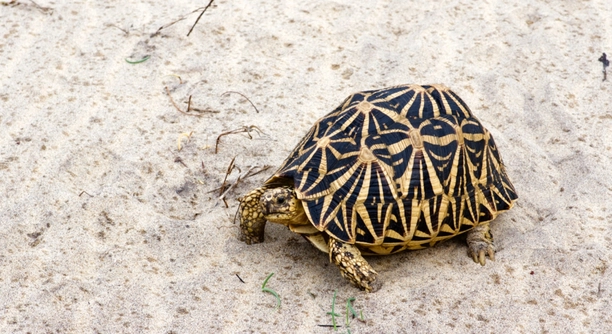
Adjusting to a new tank can be a stressful experience for your Indian Star Tortoise. Whether you’re setting up a new home or moving your tortoise to a different space, knowing how to make the transition smooth is key.
To help your Indian Star Tortoise adjust, it’s important to set up a comfortable tank with proper temperature, humidity, and space. Gradual introduction and maintaining consistency in their environment will ease their adaptation to the new setting.
With the right setup and routine, your tortoise can feel more secure in its new environment. The following tips will guide you through the process and ensure a smoother transition.
Creating the Right Environment
The environment is the most important factor in helping your Indian Star Tortoise feel at home in its new tank. A proper habitat includes the right temperature, humidity, and lighting. Your tortoise will thrive in temperatures ranging from 80-85°F (27-29°C) during the day, with a basking spot reaching around 90°F (32°C). At night, the temperature should drop to 70°F (21°C). Humidity levels should be kept around 50-60%. These conditions mimic the natural climate of your tortoise, making it easier for them to adapt.
Make sure the tank is spacious enough for your tortoise to move around freely. They need space to explore and find their favorite spots. A tank that is at least 40 gallons in size is ideal for a single Indian Star Tortoise. Larger is always better to avoid stress from overcrowding.
Proper lighting is also crucial. A UVB light will help your tortoise get the vitamin D they need for a healthy shell and bones. Place the light on one side of the tank to create a basking area and a cooler side.
Gradual Introduction to the New Tank
The transition process can be stressful for your tortoise, so take your time. Sudden changes may cause them to feel insecure, which could lead to reluctance in eating or exploring.
To ease this, gradually introduce your tortoise to the new setup. Start by allowing them to explore the tank for short periods each day. Make sure the space is free from loud noises and disturbances that might make them anxious. A quiet, calm environment can help your tortoise adjust more quickly.
Keeping the tank’s setup consistent for at least a few weeks will also help your tortoise get comfortable. Don’t change things around too often, as they depend on familiar landmarks and settings to feel secure. Keep the lighting, humidity, and temperature stable to ensure a smooth transition.
Provide Hiding Spaces
Your Indian Star Tortoise needs hiding spaces to feel secure. They are naturally shy creatures, and having places to retreat to will help them feel less stressed in their new environment. A simple hideout can be created with a piece of ceramic tile, a log, or a commercial turtle hide.
These spaces should be large enough for your tortoise to comfortably enter and retreat into. You can place these hideouts in different corners of the tank so your tortoise has a choice of where to go when they need some quiet time. Avoid overcrowding the tank with too many objects that may limit the tortoise’s space.
Adding plants, either real or fake, can also help mimic their natural habitat and provide additional hiding spots. Ensure the plants are non-toxic, as some can harm your tortoise. The more natural and safe the environment feels, the easier it will be for your tortoise to adjust.
Monitor Eating and Drinking Habits
Proper nutrition plays a huge role in your tortoise’s adjustment. A sudden change in their surroundings may cause them to stop eating or drinking at first, which is normal. However, it’s important to closely monitor their behavior and ensure they are staying hydrated.
Provide fresh water daily in a shallow dish that is easy for your tortoise to access. It’s crucial to keep the water clean to avoid any bacteria buildup. Offer a variety of fresh, leafy greens, such as dandelion leaves, collard greens, and hibiscus flowers. Avoid overfeeding fruit, as it may cause digestive issues.
Be patient, as it may take a few days for your tortoise to adjust its eating habits to the new setup. If they don’t eat after a few days, consider consulting a veterinarian to rule out any underlying issues or stress-related problems.
Avoid Handling Too Much
While it can be tempting to interact with your Indian Star Tortoise frequently, it’s important to limit handling, especially during the initial adjustment period. Too much handling can stress them out and delay their adaptation to the new environment.
Handling should be minimal during the first few days or weeks, allowing your tortoise to settle in without unnecessary distractions. If you do need to handle them, do so gently and briefly. Avoid picking them up too often or moving them around the tank.
Maintain a Regular Light Cycle
Your tortoise needs a consistent light and dark cycle to stay healthy. Keep the light on for 12 to 14 hours each day and switch it off for the night. This cycle mimics natural day and night patterns.
Make sure the light you use provides both UVA and UVB rays, which are vital for your tortoise’s health. The UVB light will help them absorb calcium properly, preventing shell and bone issues. Regular light cycles help your tortoise maintain a healthy sleep-wake schedule and support its overall well-being.
Clean the Tank Regularly
Cleaning your tortoise’s tank is essential for maintaining a healthy environment. Waste buildup, dirty water, and leftover food can attract harmful bacteria, which may stress your tortoise. Regular cleaning helps keep the tank fresh and hygienic.
Spot clean the tank every day by removing uneaten food, waste, and soiled bedding. A full cleaning, including washing the tank with reptile-safe disinfectants, should be done weekly to prevent any buildup that could cause health issues.
FAQ
How long does it take for an Indian Star Tortoise to adjust to a new tank?
The adjustment period for an Indian Star Tortoise can take anywhere from a few days to a few weeks. Each tortoise is different, but most will take a little time to feel comfortable in a new environment. The first few days may involve them staying in their hide, but with proper temperature, lighting, and minimal stress, they will gradually start exploring. Be patient and let them adjust at their own pace. Avoid rushing or forcing them into new situations, as this can cause unnecessary stress.
Can I keep multiple Indian Star Tortoises in the same tank?
It’s generally best to keep one Indian Star Tortoise per tank, especially when they are settling into a new home. These tortoises are solitary animals by nature and can become stressed if they feel crowded. If you do decide to keep more than one, make sure the tank is large enough to accommodate them, and ensure that each tortoise has its own hide and space to move freely. Even with proper space, there may still be some territorial behavior, so be prepared to separate them if needed.
What should I do if my tortoise isn’t eating after moving to the new tank?
If your Indian Star Tortoise isn’t eating, it could be due to stress from the move. It’s important to allow them time to adjust to their new environment. Make sure the temperature, humidity, and lighting are correct. If the problem persists for more than a few days, check the water and food quality. Also, ensure there are no toxic plants or chemicals in the tank. If your tortoise still isn’t eating, consulting a veterinarian may be necessary to rule out any underlying health issues.
Can I put my Indian Star Tortoise outside?
Yes, you can allow your tortoise to spend time outdoors, but only if the weather is suitable. Make sure the outdoor area is secure, free from predators, and has proper shade, as tortoises can overheat easily. You should also have a safe spot for them to retreat to if they feel threatened or stressed. During colder months or extreme weather conditions, it’s important to bring your tortoise back inside. Outdoors can be great for exercise, but be cautious of the temperature and environmental changes.
Is it necessary to use a UVB light for my Indian Star Tortoise?
Yes, UVB lighting is essential for your tortoise’s health. UVB light helps them synthesize vitamin D3, which is crucial for calcium absorption. Without proper UVB light, your tortoise can develop metabolic bone disease, leading to softening of the shell and other health issues. Make sure the UVB light is in good condition and replaced as recommended by the manufacturer, as it loses effectiveness over time. Position the light to cover the basking area of the tank and ensure your tortoise can get adequate exposure.
How often should I clean my Indian Star Tortoise’s tank?
You should spot clean the tank daily to remove any waste, leftover food, and soiled bedding. A full cleaning of the tank should be done weekly, including washing the substrate, decorations, and water dish. Use reptile-safe cleaners to avoid harming your tortoise. Keeping the tank clean is important for preventing bacterial buildup and ensuring a healthy environment. If you notice any signs of mold or odor, a more thorough cleaning may be needed.
Can I feed my Indian Star Tortoise fruits?
Yes, fruits can be offered occasionally, but they should not be the primary part of your tortoise’s diet. Tortoises are herbivores and primarily eat leafy greens, grasses, and flowers. Fruits should only make up about 10-20% of their diet, as too much fruit can lead to digestive problems or obesity. Some safe fruits for your tortoise include apples, papaya, and strawberries, but avoid citrus fruits or high-sugar options. Always remove any uneaten fruit to prevent rotting in the tank.
What should the humidity level be in my Indian Star Tortoise’s tank?
The ideal humidity for an Indian Star Tortoise is between 50-60%. This helps them regulate their body temperature and keep their skin hydrated. If the humidity is too low, your tortoise may become dehydrated, which can lead to shedding issues and other health problems. You can increase humidity by misting the tank, using a humidifier, or adding a water dish. Ensure that the humidity is not too high, as this can lead to respiratory issues or mold growth in the tank.
What temperature should the basking area be for my tortoise?
The basking area should be between 90-95°F (32-35°C) to allow your tortoise to absorb heat and stay active. The temperature in the rest of the tank should be around 80-85°F (27-29°C) during the day. At night, the tank should cool down to about 70°F (21°C). A temperature gradient will help your tortoise regulate its body temperature by moving between the warm and cooler areas of the tank. Make sure to use a reliable thermometer to monitor the temperature accurately.
Final Thoughts
Helping your Indian Star Tortoise adjust to a new tank requires some patience and attention to detail. Setting up the right environment with proper temperature, humidity, and lighting is crucial. The tank should offer enough space for your tortoise to move around, with plenty of hiding spots to make them feel secure. By paying close attention to these basic needs, you can create a space that allows your tortoise to feel comfortable and relaxed. Keeping the environment consistent is key to preventing stress and encouraging your tortoise to explore and eat.
It’s also important to take it slow during the transition. Indian Star Tortoises can be sensitive to changes, and overhandling or sudden changes in their environment can cause unnecessary stress. Gradually introducing them to the new tank and giving them time to adjust will help them feel more secure. Monitoring their eating and drinking habits is another important part of the process. While it’s normal for them to not eat immediately, if the lack of appetite continues, make sure the tank conditions are ideal and consider a vet checkup if necessary.
In the end, a little patience goes a long way. Over time, your tortoise will adapt to the new environment and begin to show its true personality. With the right setup and care, they can live happily in their new home. Remember that every tortoise is different, and some may take longer than others to adjust. With a calm and consistent approach, you’ll help your Indian Star Tortoise feel right at home in no time.

Hello,
If you enjoy the content that we create, please consider saying a "Thank You!" by leaving a tip.
Every little bit helps us continue crafting quality advice that supports the health, happiness, and well-being of pets around the world, for pets of all shapes, sizes, and species.
We really appreciate the kindness and support that you show us!