
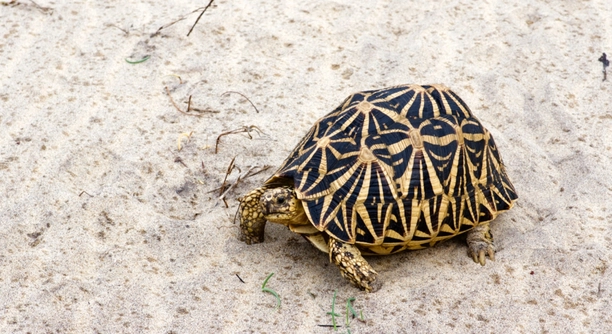
Do you ever find yourself wondering how to create the perfect shelter for your Indian Star Tortoise? Providing a safe and comfortable home is essential for their well-being, ensuring they thrive in a habitat that meets their specific needs.
The best way to provide proper shelter for your Indian Star Tortoise is to replicate its natural environment. This includes maintaining appropriate temperatures, humidity levels, and hiding spots while ensuring adequate space for movement and protection from predators.
Understanding these factors will help create a stress-free habitat, promoting a healthy and active lifestyle for your tortoise. Let’s explore the essential steps to building the ideal shelter.
Choose the Right Enclosure
A spacious enclosure is essential for your Indian Star Tortoise. Outdoor enclosures are ideal, as they provide natural sunlight and fresh air. If kept indoors, a well-ventilated tortoise table with proper heating and lighting is necessary to mimic their natural environment. A secure and sturdy enclosure prevents escapes and keeps predators away.
The enclosure should be at least four times the tortoise’s length to allow ample movement. Outdoor spaces should have strong walls, while indoor enclosures need proper substrate and hiding spots. A balance of open space and shelter keeps your tortoise comfortable and stress-free.
Inadequate space can cause stress and limit their activity. Tortoises need room to explore, bask, and retreat when needed. Whether indoors or outdoors, ensure the enclosure is well-structured and safe. A proper setup encourages healthy behaviors and contributes to their long-term well-being.
Maintain the Right Temperature
Temperature regulation is crucial for your tortoise’s health. A warm basking area and a cooler retreat help them regulate body temperature effectively.
The basking spot should be around 95°F, while the cooler area should stay between 75°F and 85°F. Using heat lamps or ceramic heaters indoors ensures consistency. Outdoors, natural sunlight provides essential warmth and UVB exposure.
If temperatures drop too low, your tortoise may become sluggish or stop eating. Providing a heat source during colder months prevents health issues. Use a thermometer to monitor temperature fluctuations and adjust as needed. Proper temperature control supports digestion, activity levels, and overall health.
Provide Proper Humidity Levels
Indian Star Tortoises need moderate humidity to stay healthy. Humidity levels should be around 60% to 80% to prevent dehydration and shell deformities. Misting the enclosure, providing a moist hide, and using a humidity gauge help maintain proper conditions for their well-being.
If the humidity is too low, the tortoise’s shell may become dry and prone to pyramiding. Adding damp sphagnum moss or coconut fiber to their hideout provides a humid retreat. A shallow water dish also helps by increasing moisture in the air. Proper ventilation is essential to prevent excess dampness, which can lead to respiratory problems.
Too much humidity can encourage mold growth and shell rot. To avoid this, ensure the enclosure has good airflow and is cleaned regularly. Adjust humidity levels based on seasonal changes, and always monitor for signs of discomfort, such as wheezing or flaky skin.
Use the Right Substrate
A proper substrate helps maintain humidity and provides a comfortable surface for movement. A mix of topsoil and coconut coir is ideal, as it holds moisture well and is safe for burrowing. Avoid sand, as it can cause impaction if ingested.
Loose, natural substrates allow the tortoise to dig and regulate its body temperature. A layer of at least two inches is recommended to keep humidity stable. Spot-clean daily and replace the substrate as needed to maintain a clean and safe environment. Choosing the right materials ensures comfort and prevents health problems like respiratory infections and shell deformities.
Offer Hiding Spots
Hiding spots help tortoises feel secure and reduce stress. Use natural materials like logs, overturned flower pots, or wooden shelters. These provide shade, protection from predators, and a place to rest. Multiple hiding areas ensure they have options to retreat when needed.
Placing hides in both warm and cool areas allows for temperature regulation. A humid hide filled with damp moss helps maintain hydration and shell health. Ensuring proper coverage within the enclosure creates a more natural and comfortable habitat, keeping your tortoise happy and stress-free.
Ensure Proper Lighting
UVB lighting is essential for calcium absorption and shell development. Without it, tortoises can suffer from metabolic bone disease. A high-quality UVB bulb should be used for indoor enclosures, placed at the correct distance, and replaced every six months to maintain effectiveness. Natural sunlight is the best source of UVB.
Keep the Enclosure Clean
A clean enclosure prevents bacterial growth and keeps your tortoise healthy. Remove uneaten food and waste daily. Replace soiled substrate regularly and scrub water and food dishes to prevent contamination. Maintaining a hygienic environment reduces the risk of infections and keeps your tortoise comfortable in its habitat.
FAQ
How big should my Indian Star Tortoise’s enclosure be?
The size of your tortoise’s enclosure depends on its age and size. A juvenile Indian Star Tortoise needs at least a 4×2 foot enclosure, while an adult should have a minimum of 6×3 feet of space. More space is always better to allow for natural behavior like foraging, digging, and moving freely. Outdoor enclosures are ideal for adults as they provide more room and access to sunlight. If keeping your tortoise indoors, make sure the enclosure is large enough to accommodate its daily needs.
Can I keep multiple Indian Star Tortoises together?
Indian Star Tortoises can live together, but you should proceed with caution. Male tortoises are especially territorial and may become aggressive. Females are generally more tolerant, but overcrowding can still lead to stress and health issues. If you’re keeping multiple tortoises, ensure the enclosure is large enough to give each one enough space to claim its own territory. It’s also important to provide plenty of hiding spots and resources to reduce competition. Monitoring their behavior closely is essential to prevent conflicts.
What temperature should I keep for my tortoise’s basking spot?
The basking spot for your Indian Star Tortoise should be around 95°F (35°C). This temperature helps them properly digest food and stay active. You can achieve this using a heat lamp or ceramic heat emitter. It’s important to place the heat source above the basking area to create a warm zone. Ensure that the temperature gradient in the enclosure is correct, with cooler areas ranging between 75°F (24°C) and 85°F (29°C). This allows your tortoise to regulate its body temperature and choose the best spot for its needs.
How often should I feed my Indian Star Tortoise?
Indian Star Tortoises are herbivores and should be fed every other day. Their diet mainly consists of leafy greens, grasses, and edible flowers. You can offer them a variety of vegetables like dandelion greens, collard greens, and clover. It’s best to avoid high-protein foods or fruits that are too sugary, as these can cause health issues. Always offer fresh, clean food, and remove any uneaten portions to prevent spoilage. Make sure your tortoise has constant access to fresh water, and supplement their diet with calcium to promote healthy shell growth.
Do I need to provide UVB lighting for my tortoise?
Yes, UVB lighting is essential for your Indian Star Tortoise. UVB rays help them synthesize vitamin D3, which is necessary for calcium absorption and overall health. Without proper UVB lighting, your tortoise may develop metabolic bone disease. Indoor enclosures require a UVB bulb that emits the appropriate wavelengths (UVB 10.0 or higher) to mimic natural sunlight. The bulb should be placed within 12 inches of your tortoise’s basking area and replaced every six months. If your tortoise has access to outdoor sunlight, this will also provide adequate UVB exposure.
What type of substrate should I use for my tortoise’s enclosure?
The best substrate for an Indian Star Tortoise is one that holds moisture without becoming too wet. A mix of coconut coir and topsoil is ideal, as it provides a natural environment and allows for burrowing. Avoid using sand, as it can lead to impaction if ingested. You can also use cypress mulch, which holds moisture well and promotes humidity. A substrate that is too dry can cause dehydration and shell problems. Always ensure that the substrate is kept clean and dry to prevent mold growth or respiratory issues.
How can I tell if my tortoise is sick?
Signs of illness in an Indian Star Tortoise can include loss of appetite, lethargy, difficulty breathing, runny nose, and changes in the appearance of its shell, such as soft spots or discoloration. If your tortoise shows any of these symptoms, it’s essential to consult a veterinarian who specializes in reptiles. Additionally, abnormal behavior like excessive hiding, lack of interest in food, or trouble walking can indicate health problems. Regularly checking for signs of mites, respiratory infections, or shell issues is important in keeping your tortoise healthy.
Can I house my tortoise outside?
Yes, Indian Star Tortoises can be kept outdoors, but the environment must be safe and secure. The outdoor enclosure should have strong walls to prevent escape and should be protected from predators. It should also have both sunny and shaded areas to allow for proper temperature regulation. If you’re in a region with cold winters, you’ll need to bring your tortoise inside during the colder months or provide a heated shelter. Make sure the outdoor habitat is free of harmful plants and contaminants, and provide enough space for your tortoise to roam.
How often should I clean my tortoise’s enclosure?
The enclosure should be cleaned regularly to prevent bacteria buildup and maintain a healthy environment. Remove uneaten food and waste daily, and replace soiled substrate every two weeks. Once a month, perform a deep clean by removing all the substrate, washing the enclosure with reptile-safe cleaners, and disinfecting all accessories. Keeping the enclosure clean will reduce the risk of infections and ensure your tortoise has a comfortable and hygienic space to live. Be sure to wash your hands thoroughly after cleaning to avoid any contamination.
Final Thoughts
Taking care of an Indian Star Tortoise requires effort and attention to detail, but providing a proper shelter is the key to keeping them healthy and happy. Creating an environment that mimics their natural habitat as closely as possible will help ensure they thrive. From choosing the right size enclosure to maintaining proper temperature, humidity, and lighting, every aspect plays an important role in your tortoise’s well-being. When you create a suitable shelter, your tortoise will be more comfortable and less stressed, which can help it live a long and healthy life.
The right shelter isn’t just about providing space and temperature; it’s also about making sure the enclosure is a safe and clean place. Proper substrates, hiding spots, and fresh water are all essential for your tortoise’s comfort. Regular cleaning, monitoring of temperature and humidity, and a balanced diet will support your tortoise’s health and happiness. Keeping an eye on their behavior will also help you spot any issues early, allowing you to address them before they become bigger problems. These small steps can make a big difference in ensuring your tortoise is thriving in its environment.
Remember, every tortoise is unique, and it’s important to adapt their living space as they grow. With patience and attention to their needs, you can provide a home that will keep your Indian Star Tortoise safe, secure, and content. Understanding their behavior and needs is an ongoing process, but with the right care, your tortoise can live a fulfilling life. By following these tips and making the necessary adjustments, you can create a proper shelter that supports your tortoise’s physical and emotional health, ensuring a happy companion for years to come.

Hello,
If you enjoy the content that we create, please consider saying a "Thank You!" by leaving a tip.
Every little bit helps us continue crafting quality advice that supports the health, happiness, and well-being of pets around the world, for pets of all shapes, sizes, and species.
We really appreciate the kindness and support that you show us!