
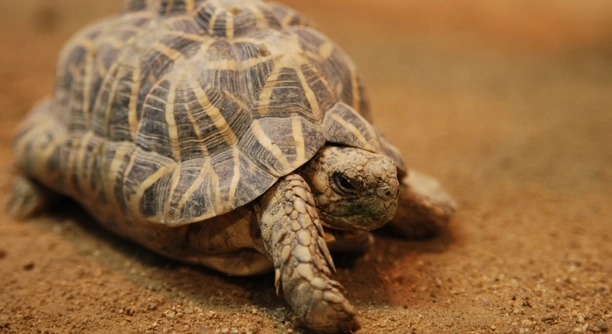
Is your Indian star tortoise not hibernating properly, leaving you concerned about its health and well-being? Hibernation is a crucial process for many reptiles, but when something goes wrong, it can be stressful for both you and your pet.
If your Indian star tortoise is not hibernating properly, the main reasons could be incorrect temperature, dehydration, or underlying health issues. Ensuring a stable environment, proper hydration, and regular veterinary check-ups can help maintain a safe and healthy hibernation process.
A disrupted hibernation cycle can impact your tortoise’s health, making it essential to understand the potential causes and solutions. Knowing what steps to take will help keep your pet comfortable and ensure its well-being throughout the season.
Check the Temperature Levels
Keeping your Indian star tortoise in the right temperature range is essential for proper hibernation. If it is too cold, your tortoise may become sluggish but not enter full hibernation. If it is too warm, it might stay awake and burn through its energy reserves too quickly. A stable temperature between 60-70°F (15-21°C) is ideal. Use a reliable thermometer to monitor the environment and make adjustments if necessary. Sudden temperature changes can be stressful, so gradual shifts are best. Maintaining proper warmth ensures your tortoise can rest without risk.
A temperature that is too high can cause dehydration, while a temperature that is too low can lead to a weakened immune system. It is important to find a balance to keep your tortoise comfortable and healthy.
Using heat lamps or ceramic heat emitters can help regulate the temperature. Ensure your tortoise’s enclosure is placed away from direct sunlight, cold drafts, or heating vents. Consistent monitoring is key.
Provide Proper Hydration
Dehydration can prevent your tortoise from hibernating correctly. Without enough water, its body cannot function properly, leading to serious health problems. Even during hibernation, hydration plays an important role in overall well-being.
Soaking your tortoise in shallow, lukewarm water for about 20 minutes a few times a week can help prevent dehydration. This process allows it to absorb moisture through its skin and drink if needed. Providing a shallow water dish in its enclosure is also a good idea. The dish should be easily accessible but not deep enough to pose a drowning risk. Keeping the humidity at an appropriate level will also help. If the environment is too dry, your tortoise may struggle with hydration.
It is important to pay attention to signs of dehydration. Sunken eyes, dry skin, and loss of appetite are common indicators. If your tortoise shows these symptoms, increase its water intake and consult a reptile veterinarian if necessary. Proper hydration will help maintain its health and support a smooth hibernation process.
Adjust the Lighting Schedule
A disrupted light cycle can confuse your tortoise and prevent proper hibernation. Consistent lighting helps regulate its internal clock, signaling when to slow down for the colder months. Too much artificial light can keep it active, while too little can cause unnecessary stress.
Using a timer for your tortoise’s lighting setup can help maintain a consistent schedule. During colder months, gradually reduce the daylight hours to mimic natural seasonal changes. This helps your tortoise transition into hibernation without confusion. Avoid sudden shifts in light exposure, as this can cause unnecessary stress. A proper balance of light and darkness will support its natural cycle.
If your tortoise is not responding to lighting changes, consider its enclosure placement. Keeping it near a window may cause temperature fluctuations. Artificial lights should be placed at a safe distance and turned off at night to create a natural day-night rhythm.
Monitor for Health Issues
Undiagnosed health problems can interfere with hibernation. Respiratory infections, parasites, or metabolic disorders can prevent your tortoise from settling into a restful state. Weakness, unusual breathing, or weight loss are signs that something might be wrong. A pre-hibernation vet check-up can help rule out serious issues.
A tortoise with underlying health problems may struggle to maintain energy levels during hibernation. If it appears lethargic or refuses to eat before slowing down, this could indicate illness. Weighing your tortoise regularly can help track any sudden drops in weight, which may signal internal problems. Keeping a record of its behavior and appetite can also be useful for spotting abnormalities early.
If your tortoise continues to struggle, delaying hibernation might be necessary. Instead, provide a warm and stable environment until it recovers. Consulting a reptile veterinarian for blood tests or X-rays can help identify hidden health concerns. Taking these precautions ensures your tortoise stays safe and healthy.
Ensure Proper Nutrition
A well-fed tortoise is more likely to hibernate properly. Before hibernation, it should have a nutrient-rich diet to build up energy reserves. Leafy greens, calcium supplements, and small amounts of fruits can help prepare its body for the resting period. Poor nutrition can lead to weakness and complications.
Overfeeding before hibernation can cause undigested food to ferment in the stomach, leading to serious health issues. Gradually reducing food intake a few weeks before hibernation helps the digestive system empty properly. Always provide fresh water and monitor eating habits to ensure your tortoise is getting the right nutrients.
Create a Suitable Hibernation Space
A safe and comfortable hibernation space reduces stress and keeps your tortoise protected. Use a well-ventilated box filled with soft substrate like soil or shredded paper. The area should be dark, quiet, and free from sudden disturbances to ensure a restful hibernation period.
Limit Handling During Hibernation
Frequent handling can disturb the hibernation process. Avoid unnecessary movement or checking too often, as this can cause stress. Briefly monitor your tortoise’s condition without excessive interaction. If you notice unusual behavior, adjust its environment, but keep handling to a minimum unless a health issue is suspected.
FAQ
Why is my Indian star tortoise not hibernating at all?
Your tortoise may not be hibernating because its environmental conditions aren’t suitable. The temperature might not be low enough, or it could be too warm. Tortoises typically require a gradual reduction in light and temperature to trigger hibernation. If the environment is too stable, your tortoise might not feel the need to hibernate. It’s also possible that it hasn’t built up enough energy reserves. Ensuring the right temperature (60-70°F or 15-21°C) and gradually reducing light exposure should encourage hibernation. If the problem persists, it may indicate an underlying health issue, and consulting a reptile vet is a good idea.
How can I tell if my tortoise is too sick to hibernate?
Signs of illness in a tortoise can include a loss of appetite, lethargy, abnormal breathing, or discharge from the eyes or nose. If your tortoise seems weak or is not eating properly before hibernation, it may not be healthy enough to hibernate. It’s important to monitor its weight and behavior closely. If you notice significant weight loss, respiratory distress, or a lack of interest in food, it’s best to delay hibernation and seek veterinary advice. Early intervention is crucial, as hibernating while unwell can lead to further complications.
Should I stop feeding my tortoise before hibernation?
Yes, gradually reducing the amount of food before hibernation is essential for your tortoise’s well-being. Overfeeding can lead to digestive problems, which might cause complications during hibernation. Stop feeding a few weeks before hibernation and make sure your tortoise has fully emptied its digestive system. This will also ensure that food doesn’t rot inside its stomach, which can lead to serious health problems. You can stop feeding when you see a decrease in its appetite. Ensure your tortoise still has access to fresh water until it begins hibernating.
Can I force my tortoise to hibernate?
No, you should never force a tortoise into hibernation. Forcing it can cause significant stress and harm. If your tortoise is not ready to hibernate, its body will not slow down naturally. Instead of forcing the process, focus on creating an ideal environment. This includes maintaining the right temperature, humidity, and light schedule. If your tortoise refuses to hibernate, it could be due to an issue with its health or environment. Allow it to rest naturally when it’s ready, and always monitor it closely.
How long should my tortoise hibernate?
Most tortoises hibernate for around 2 to 3 months. However, the exact length depends on the tortoise’s age, health, and environmental conditions. Younger tortoises may not hibernate for as long, while older, healthy tortoises may need a longer period of rest. It’s important to monitor your tortoise closely during this time. If it emerges too early or shows signs of distress, it may be a sign that something is wrong with the hibernation process.
Can I hibernate my tortoise outdoors?
In most cases, it’s best to hibernate your tortoise indoors, especially if you’re in an area with unpredictable or extreme weather conditions. Outdoors, it can be harder to maintain a consistent, safe temperature for your tortoise. However, if you live in an area where the outdoor temperature remains steady and within the proper range (60-70°F or 15-21°C), you can hibernate your tortoise outdoors in a secure, sheltered spot. Just make sure to monitor the environment carefully to prevent temperature fluctuations.
What happens if my tortoise wakes up during hibernation?
If your tortoise wakes up during hibernation, it could be due to environmental factors like temperature changes or stress. It’s important to check the temperature and humidity levels to ensure they are stable. If the tortoise wakes up too frequently, this can cause it to use up its energy reserves too quickly, leading to weakness or malnutrition. A tortoise that wakes up unexpectedly should be carefully monitored and placed back into a controlled environment. If it continues to wake up, it might need professional care to ensure proper health during the hibernation period.
What if my tortoise doesn’t seem to want to hibernate?
If your tortoise refuses to hibernate, there could be a few reasons. Its environment might be too warm or too bright, which prevents it from entering hibernation. It’s also possible that the tortoise has not accumulated enough energy reserves or is feeling stressed. Ensure the temperature and light conditions mimic the natural seasonal changes that trigger hibernation. If the tortoise still resists, check for signs of illness. If there are no obvious health problems and the environment is correct, the tortoise might simply not be ready to hibernate yet.
How should I handle my tortoise during hibernation?
It’s best to minimize handling during hibernation. Excessive handling can disturb its natural rest cycle and cause unnecessary stress. Only check on your tortoise occasionally to ensure it’s in a safe, stable environment. If you need to monitor it for health issues, do so gently and as briefly as possible. Avoid any sudden movements or loud noises around the hibernation area to keep the stress levels low. Over-handling during this time can also wake your tortoise prematurely, which could lead to unnecessary energy use.
Can my tortoise still eat during hibernation?
No, tortoises typically stop eating during hibernation. Their metabolism slows down significantly, and they rely on stored energy to get through the hibernation period. Offering food during this time can disrupt the hibernation process, especially if it’s not needed. If you notice that your tortoise is still eating or drinking, it may not be in true hibernation yet. If it continues eating during the hibernation period, it could indicate an issue with the environment or its health, and you should consult a veterinarian.
When it comes to your Indian star tortoise’s hibernation, providing the right environment is key to its health and well-being. If your tortoise is struggling to hibernate properly, the main factors to consider are temperature, hydration, nutrition, and light. A stable, cooler environment with the right humidity and lighting schedule helps trigger the natural hibernation process. Be sure to adjust the temperature gradually and monitor the light exposure to simulate the changing seasons. This helps guide your tortoise into a proper hibernation state without causing undue stress.
In addition to temperature and lighting, hydration plays a crucial role. Dehydration can lead to a range of health issues, and without adequate water intake, your tortoise may find it difficult to rest properly during hibernation. Soaking your tortoise before hibernation and offering a shallow water dish in its enclosure can help prevent dehydration. A well-balanced diet, made up of leafy greens, calcium, and other nutrients, should be provided leading up to hibernation to help your tortoise store the necessary energy for this period of dormancy.
Lastly, if your tortoise is not hibernating or showing signs of distress, it’s important to seek professional advice. If health problems are suspected, a visit to a reptile vet can help identify and address any underlying issues. Your tortoise’s comfort and health should always come first. By creating the right environment and taking the necessary precautions, you can support your tortoise’s natural hibernation cycle and ensure that it enters this period in the best possible condition. Regular monitoring, proper care, and patience will help your tortoise safely navigate through hibernation and emerge healthy when the time is right.

Hello,
If you enjoy the content that we create, please consider saying a "Thank You!" by leaving a tip.
Every little bit helps us continue crafting quality advice that supports the health, happiness, and well-being of pets around the world, for pets of all shapes, sizes, and species.
We really appreciate the kindness and support that you show us!