
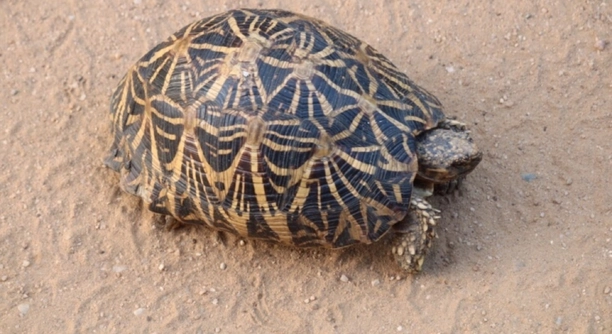
Proper heating is crucial to keeping your Indian Star Tortoise healthy and comfortable. Without the right conditions, your tortoise may struggle with temperature regulation, affecting its overall well-being. Ensuring proper heating can make a big difference in their care.
Maintaining the proper temperature for your Indian Star Tortoise involves providing both basking and cooler areas within its enclosure. Use a reliable heat source, like a ceramic heat emitter, to maintain consistent warmth without disturbing their day-night cycle.
Proper heating can prevent common health issues and promote healthy growth. Keep reading to learn how you can create the perfect environment for your Indian Star Tortoise.
Proper Heating Sources for Your Indian Star Tortoise
The right heating source plays a significant role in the health of your Indian Star Tortoise. These tortoises need a warm basking area to regulate their body temperature, but the temperature must be controlled carefully. A basking light, typically set to around 95°F (35°C), helps them stay warm and digest food effectively. Avoid using a standard light bulb, as it can overheat the enclosure and disturb the tortoise’s natural rhythm. Instead, opt for specialized UVB lights or ceramic heat emitters that provide warmth without light, creating a more stable environment.
It’s crucial to monitor the temperature using a reliable thermometer placed in different areas of the enclosure. This will help ensure the tortoise can move to a cooler spot when needed. A well-balanced environment will reduce stress, allowing your tortoise to thrive.
For night-time temperatures, ensure the enclosure remains between 70-75°F (21-24°C) to prevent thermal shock. Using a heat mat or ceramic bulb on a thermostat can help maintain these levels without fluctuations.
Setting Up Basking and Cooler Zones
To create a comfortable habitat, it’s essential to have distinct basking and cooler zones. This allows the tortoise to regulate its body temperature naturally.
Providing areas with both warmth and a cooler retreat will ensure your tortoise can move between the two as needed. The warmer zone should be located under the basking light, and the cooler zone should be far enough away to keep the temperature low.
Choosing the Right Heat Bulb
When selecting a heat bulb, opt for one specifically designed for reptiles. Standard light bulbs can overheat the habitat, causing unnecessary stress. A UVB bulb, combined with heat, provides both warmth and essential ultraviolet light, helping your tortoise metabolize calcium and stay healthy.
Make sure to select a bulb with the correct wattage. Too high, and it can make the basking area too hot, leading to heat stress. Too low, and it won’t offer enough warmth. Adjust the distance from the tortoise to ensure the basking spot remains within the ideal temperature range.
Replace bulbs regularly to maintain proper heat output. A bulb that’s too old can lose its effectiveness, impacting the health of your tortoise. Ensure you have a backup bulb in case of sudden burnouts.
Managing Temperature Fluctuations
Temperature fluctuations are one of the most common issues in reptile care. Using thermostats and timers ensures that your Indian Star Tortoise’s habitat stays within the ideal range at all times.
Investing in a thermostat will prevent the enclosure from overheating, especially when the basking light is on for extended periods. This will also maintain consistent nighttime temperatures, crucial for maintaining your tortoise’s natural cycle. Timers help regulate light and heat cycles, preventing irregular day-night transitions.
It’s important to check temperatures throughout the day and night to ensure they stay within a safe range. A sudden drop in temperature can cause your tortoise to go into a state of hibernation or become sick.
Using Heat Mats
Heat mats are a great option to provide consistent warmth to your tortoise’s enclosure. Placing them under one side of the enclosure allows your tortoise to move between different temperatures.
Ensure the heat mat is set on a low or medium setting to avoid overheating the substrate. Always monitor the temperature with a thermometer.
Heat mats are best used for maintaining the overall temperature, rather than for basking. They provide a gentle, consistent heat source, helping to maintain stable ground temperature during the night or cooler periods.
Monitoring Humidity Levels
Humidity plays a role in your tortoise’s comfort and health. Too much moisture can lead to respiratory issues, while too little can cause dehydration and shell problems.
A hygrometer will help you keep track of humidity levels in the enclosure. Aim for humidity levels around 50-60% for optimal health. Ensure the tortoise has access to a shallow water dish to stay hydrated while avoiding excess moisture in the habitat.
FAQ
What is the ideal temperature range for my Indian Star Tortoise?
The ideal temperature for your Indian Star Tortoise’s basking area should be around 95°F (35°C). The cooler side of the enclosure should range between 75-80°F (24-27°C). During the night, temperatures should drop to around 70-75°F (21-24°C) to mimic natural conditions. Using thermostats and heat sources with adjustable settings will help maintain these temperatures consistently.
How do I know if my tortoise is too hot or too cold?
If your tortoise is too hot, it may become lethargic and avoid basking. On the other hand, if it’s too cold, it may try to burrow or hide in a cooler spot. Other signs of temperature-related stress include lack of appetite or unusual behavior. Regularly monitor the enclosure with thermometers to ensure temperatures stay within the optimal range.
Can I use a regular light bulb for heating my tortoise’s enclosure?
It is not recommended to use regular light bulbs for heating. These bulbs can create uneven heat and may not provide the correct UVB light. Instead, opt for reptile-specific heat lamps or ceramic heat emitters that provide both warmth and ultraviolet light necessary for your tortoise’s health.
What type of light should I use for my Indian Star Tortoise?
Your Indian Star Tortoise needs UVB lighting to help with calcium absorption and overall health. A UVB bulb is essential, and it should be placed within the basking area to ensure your tortoise gets the correct amount of light. Be sure to replace UVB bulbs every 6-12 months, as they lose effectiveness over time.
Do I need to provide a heat source at night?
Yes, maintaining proper nighttime temperatures is just as important as daytime heating. Use a ceramic heat emitter or a heat mat that doesn’t produce light, so it won’t disrupt your tortoise’s sleep cycle. Ensure the temperature remains between 70-75°F (21-24°C) during the night to promote rest and prevent thermal shock.
Can I use a heating pad for my tortoise?
Heating pads can be helpful to maintain a stable temperature, especially in the cooler areas of the enclosure. Place the pad under one side of the enclosure to create a temperature gradient. Make sure the heating pad is low-wattage and designed for reptiles to avoid overheating. Always use a thermostat to control the heat output.
What should I do if my tortoise is not basking?
If your tortoise isn’t basking, it could be a sign that the temperature is too high or too low. Check the temperature of the basking area and ensure it’s within the ideal range of 95°F (35°C). If the temperature is correct, check for other signs of stress, such as improper humidity, illness, or an unsuitable environment.
How often should I replace the lightbulbs?
UVB bulbs need to be replaced every 6-12 months, as they lose their effectiveness over time, even if they still emit light. Heat bulbs may last longer but should still be replaced if they show signs of reduced heating. Regular bulb replacement is important to ensure your tortoise is getting the correct environmental conditions.
How can I create a proper basking area for my tortoise?
A basking area should have a heat source, such as a UVB bulb or ceramic heat emitter, and a flat rock or platform for the tortoise to sit on. The surface should be large enough for your tortoise to bask comfortably. Ensure the temperature in this area stays around 95°F (35°C). Place the basking area in a spot with minimal disturbance to encourage your tortoise to use it regularly.
Is humidity important for my tortoise’s health?
Yes, maintaining proper humidity is important for your tortoise’s well-being. A humidity level of 50-60% is ideal for an Indian Star Tortoise. Too much humidity can lead to respiratory issues, while too little can cause dehydration. You can maintain the proper humidity by misting the enclosure and using a hygrometer to monitor levels.
Should I use a thermometer in the enclosure?
Yes, it’s essential to use a thermometer in both the basking and cooler areas to ensure the temperature is within the recommended range. A digital thermometer with a probe can provide accurate readings, and it’s important to check the temperature at different times of the day to ensure stability. Proper temperature management is crucial for your tortoise’s health.
What type of substrate is best for an Indian Star Tortoise?
A natural, safe substrate like coconut coir or a mixture of soil and sand works best for your tortoise. This will allow it to dig and burrow while providing a comfortable surface to walk on. Avoid using substrates like cedar or pine, as the oils can be harmful to reptiles. Ensure that the substrate is not too deep, as it could make it difficult for your tortoise to regulate its temperature properly.
Final Thoughts
Providing the right heating for your Indian Star Tortoise is essential for its health and well-being. Consistent warmth and proper temperature gradients help mimic the natural environment and ensure that your tortoise thrives. While there are various ways to achieve the necessary temperatures, using a combination of heat sources such as basking lamps, heat mats, and ceramic emitters is often the most effective approach. The key is to create a controlled environment that offers a warm basking area and cooler spots for your tortoise to regulate its body temperature as needed.
In addition to heat, it is equally important to monitor humidity levels in the enclosure. Too much humidity can cause respiratory issues, while too little can lead to dehydration and other health problems. Keeping the humidity at the right level, along with maintaining an appropriate temperature range, will create a more natural environment for your tortoise. Ensure that your tortoise has access to a shallow water dish to keep it hydrated, and regularly check both the temperature and humidity to ensure the habitat remains balanced.
Caring for an Indian Star Tortoise requires attention to detail, and understanding how to provide the proper heating is one of the most important aspects. By ensuring that the heat is consistent, safe, and appropriate for your tortoise’s needs, you can help it live a long and healthy life. It is important to remember that tortoises are sensitive creatures, and their environment needs to replicate the conditions they would naturally experience. By following these guidelines, you can ensure that your tortoise remains comfortable, happy, and well taken care of.

Hello,
If you enjoy the content that we create, please consider saying a "Thank You!" by leaving a tip.
Every little bit helps us continue crafting quality advice that supports the health, happiness, and well-being of pets around the world, for pets of all shapes, sizes, and species.
We really appreciate the kindness and support that you show us!