
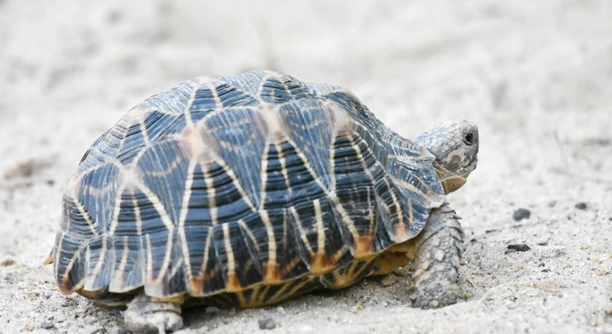
Is your Indian star tortoise getting the right UVB exposure for its health? Proper lighting is essential for calcium absorption, shell strength, and overall well-being. Setting up the best UVB lighting ensures your tortoise thrives in a safe and controlled environment.
The best way to set up UVB lighting for your Indian star tortoise is to use a high-quality UVB bulb, position it at the correct distance, and replace it regularly. Maintaining proper temperature gradients and providing shaded areas also contribute to a healthy habitat.
Correct UVB lighting supports your tortoise’s long-term health and prevents metabolic bone disease. Understanding the right setup and best product choices will help you create a suitable environment for your pet.
Why UVB Lighting Is Essential for Indian Star Tortoises
UVB lighting is crucial for Indian star tortoises as it helps them synthesize vitamin D3, which is necessary for calcium absorption. Without adequate UVB exposure, they can develop metabolic bone disease, leading to soft shells, deformities, and mobility issues. A well-lit habitat mimics their natural environment and supports overall health.
Providing the right UVB levels prevents health problems and ensures strong bones and proper shell development. It also encourages natural behaviors, keeping your tortoise active and alert throughout the day. A high-quality UVB setup is a fundamental part of responsible tortoise care.
Indian star tortoises require a UVB light source that mimics natural sunlight. Inadequate lighting can weaken their immune system, making them more susceptible to illness. Positioning the UVB bulb correctly and replacing it as needed will maintain effectiveness. A combination of proper lighting and a balanced diet helps keep your tortoise in optimal condition.
Choosing the Right UVB Bulb
Not all UVB bulbs provide the same level of coverage and intensity. Some emit stronger UVB rays, while others fade quickly, requiring frequent replacement. Understanding the different types of bulbs will help you select the most effective option for your tortoise’s needs.
Fluorescent tube bulbs are widely recommended for Indian star tortoises, as they provide consistent UVB coverage across a large area. T5 HO (high output) tubes are the best choice, offering strong UVB output with a longer lifespan. Compact UVB bulbs are available, but they may not distribute UVB evenly, leading to inadequate exposure. Mercury vapor bulbs are another option, combining heat and UVB in one, but they produce intense heat, which can be challenging to regulate.
Choosing the right UVB bulb depends on your enclosure setup and the distance between the bulb and your tortoise. Fluorescent tube lights should be placed 10–12 inches above the basking area, while mercury vapor bulbs require greater distance due to their heat output. Checking UVB levels with a meter ensures your tortoise is getting the correct amount of exposure.
Proper Placement of UVB Lighting
UVB bulbs should be positioned where your tortoise can fully benefit from the light without being too close. Incorrect placement can lead to overexposure or insufficient UVB absorption, affecting your tortoise’s health. Maintaining the right distance ensures proper vitamin D3 synthesis and prevents potential eye or shell damage.
The ideal placement depends on the type of UVB bulb. Fluorescent tube lights should be mounted inside the enclosure, about 10–12 inches above the basking area. If using a mercury vapor bulb, keep it at least 12–18 inches away due to its higher intensity. Make sure nothing blocks the UVB rays, such as glass or plastic, as these materials filter out essential wavelengths. Providing a basking area with a proper heat gradient allows your tortoise to regulate its exposure naturally.
Regularly checking UVB levels ensures the light remains effective. Over time, UVB output decreases, even if the bulb is still producing visible light. Using a UVB meter helps monitor intensity, allowing you to replace the bulb when needed. Positioning the light on a timer for 10–12 hours per day mimics natural daylight cycles, helping your tortoise maintain a healthy routine. Balancing UVB exposure with shaded areas prevents overexposure while still providing the necessary benefits.
Best UVB Bulbs for Indian Star Tortoises
T5 HO fluorescent tube bulbs are the most effective option for consistent UVB distribution. They provide strong output and cover a wide area, making them ideal for larger enclosures. Compact UVB bulbs are available, but they may not distribute UVB evenly, leading to potential deficiencies. Mercury vapor bulbs can be useful for combined heat and UVB.
When selecting a UVB bulb, consider the size of your enclosure and the distance required for proper exposure. T5 HO bulbs should be used with a reflective fixture to maximize UVB output. For tortoises housed indoors, a combination of a high-quality UVB bulb and natural sunlight exposure on warm days can help maintain overall health. Avoid low-quality bulbs, as they often have unreliable output and fade quickly. Regular replacement ensures your tortoise continues receiving adequate UVB for strong bones and a healthy shell.
Replacing and Maintaining UVB Bulbs
UVB bulbs lose effectiveness over time, even if they still emit visible light. Most fluorescent UVB bulbs should be replaced every six to twelve months, depending on the manufacturer’s recommendation. Mercury vapor bulbs last longer but should still be monitored for reduced UVB output.
Using a UVB meter helps track the bulb’s effectiveness. If levels drop significantly before the recommended replacement time, consider changing the bulb sooner. Dust and debris can also reduce UVB output, so cleaning the bulb and fixture regularly ensures maximum efficiency. Proper maintenance keeps your tortoise’s lighting setup effective and reliable.
Signs of UVB Deficiency
Insufficient UVB exposure can lead to serious health issues in tortoises. Weak or soft shells, sluggish behavior, and difficulty walking are common signs of metabolic bone disease. Without proper UVB lighting, calcium absorption is impaired, weakening bones and making the tortoise prone to fractures and deformities.
Creating a Balanced Lighting Setup
A well-balanced lighting setup includes UVB, heat, and natural daylight exposure. Providing a temperature gradient with a dedicated basking area ensures your tortoise can regulate its body temperature. Combining high-quality UVB lighting with proper heating and a nutritious diet supports overall health and prevents common deficiencies.
FAQ
How long should UVB lights be on each day for an Indian star tortoise?
UVB lights should be on for about 10 to 12 hours a day, simulating a natural day-night cycle. This duration ensures your tortoise gets enough exposure to UVB for vitamin D3 production while maintaining a healthy sleep-wake routine. Using a timer can help maintain consistency.
Can I use a regular lightbulb instead of a UVB bulb?
No, a regular lightbulb does not provide the necessary UVB radiation for your tortoise. UVB lighting is essential for calcium absorption and overall health. Standard bulbs only provide visible light and do not emit the required UVB wavelengths. Always use a designated UVB bulb for your tortoise.
How close should the UVB bulb be to my tortoise?
The UVB bulb should be placed approximately 10–12 inches above the basking area if using a T5 HO fluorescent tube. For mercury vapor bulbs, a greater distance (12–18 inches) is necessary due to the intensity of the heat and UVB emitted. Always follow the manufacturer’s instructions for safe and effective placement.
Can UVB lighting harm my tortoise if left on too long?
UVB exposure is crucial for your tortoise’s health, but overexposure can lead to skin and eye damage. It’s essential to provide a balance of UVB light and shaded areas in the enclosure. By using a timer and allowing proper rest periods, you prevent harmful overexposure.
What is the best type of UVB bulb for an Indian star tortoise?
T5 HO fluorescent tube bulbs are the most reliable for consistent and even UVB exposure. They provide a strong output and a broad coverage area, making them ideal for larger enclosures. T5 bulbs also last longer than older T8 versions. Mercury vapor bulbs are another option, offering both UVB and heat, but they require proper placement and temperature control.
Do I need to provide my tortoise with natural sunlight if I use UVB lighting?
While UVB lighting simulates natural sunlight, occasional exposure to actual sunlight can be beneficial. On sunny days, placing your tortoise outdoors for 15–30 minutes can enhance its health. Be sure to monitor temperatures, and never leave them unattended to prevent overheating or escape.
Can UVB lighting help with my tortoise’s shell growth?
Yes, UVB lighting plays a key role in shell growth. It enables your tortoise to synthesize vitamin D3, which is necessary for calcium absorption. Without proper UVB exposure, your tortoise’s shell may become soft, misshapen, or brittle. Consistent UVB exposure helps keep their shell strong and healthy.
How often should I replace the UVB bulb?
UVB bulbs should be replaced every 6 to 12 months, depending on the bulb’s type and usage. Even if the bulb still emits visible light, its UVB output weakens over time. Regular bulb replacement ensures your tortoise continues to receive adequate UVB for health.
Can I use a UVB bulb in an outdoor enclosure?
Yes, UVB bulbs can be used in outdoor enclosures, especially if your tortoise is indoors most of the time. In outdoor setups, natural sunlight usually provides sufficient UVB exposure. However, during cloudy weather or in winter, supplemental UVB lighting may still be needed.
What happens if my tortoise doesn’t get enough UVB exposure?
Without enough UVB exposure, your tortoise may develop metabolic bone disease, leading to soft, deformed shells and weakened bones. In severe cases, it can cause difficulty moving, lethargy, and even fractures. Ensuring proper UVB lighting is crucial for your tortoise’s long-term health.
Can UVB lighting cause my tortoise to overheat?
While UVB lighting itself doesn’t typically cause overheating, improper placement can. If the UVB bulb is too close to the tortoise, it can raise the temperature in the basking area. Ensure a proper distance between the bulb and your tortoise to maintain safe temperature gradients.
Is it necessary to use a heat source along with UVB lighting?
Yes, providing both UVB lighting and heat is essential. Your tortoise needs a basking area with warmth to regulate its body temperature. The UVB light helps with vitamin D3 production, while the heat source ensures your tortoise can stay active and maintain healthy metabolic functions.
Should I use a UVB bulb if my tortoise has access to outdoor sunlight?
If your tortoise is outdoors regularly and has access to sunlight, you may not need additional UVB lighting. However, during cloudy days, winter months, or when indoors, UVB lighting is necessary to maintain proper health. Always ensure that your tortoise is getting consistent UVB exposure.
How do I know if my UVB bulb is still working effectively?
To check if your UVB bulb is still effective, use a UVB meter. If you don’t have one, it’s safest to replace the bulb every 6 to 12 months. Even if it still lights up, UVB output depletes over time, making regular replacement essential for your tortoise’s health.
Final Thoughts
Setting up the right UVB lighting for your Indian Star Tortoise is essential for its health and well-being. Proper lighting ensures that your tortoise can absorb calcium efficiently and maintain a strong, healthy shell. Without adequate UVB exposure, tortoises can develop serious health issues like metabolic bone disease, which can lead to weak bones, a deformed shell, and difficulty moving. By providing the right lighting setup, you are setting your tortoise up for a long, healthy life. It’s also important to note that UVB lighting should not be seen as the only source of care.
Regular maintenance and replacing UVB bulbs as recommended by the manufacturer ensures that your tortoise gets the correct amount of UVB exposure. Even if the light is still on, its UVB output can degrade over time, meaning you might not be providing the necessary benefits. Keep track of when it’s time to replace bulbs, and clean them regularly to prevent dirt from blocking the light. Additionally, always ensure the distance between the bulb and your tortoise is appropriate to avoid overheating or insufficient UVB exposure. Balancing the light with heat, a proper diet, and access to water will make sure your tortoise thrives.
Remember that a good UVB setup is just one piece of the puzzle. Creating a habitat with a proper temperature gradient, providing a clean environment, and offering a balanced diet all contribute to the well-being of your tortoise. Always monitor its behavior and shell health to detect any potential problems early. If you notice any signs of UVB deficiency or health concerns, addressing them quickly can prevent serious issues from developing. Consistent care, a reliable UVB light, and maintaining the proper conditions will help your Indian Star Tortoise live a happy and healthy life.

Hello,
If you enjoy the content that we create, please consider saying a "Thank You!" by leaving a tip.
Every little bit helps us continue crafting quality advice that supports the health, happiness, and well-being of pets around the world, for pets of all shapes, sizes, and species.
We really appreciate the kindness and support that you show us!