
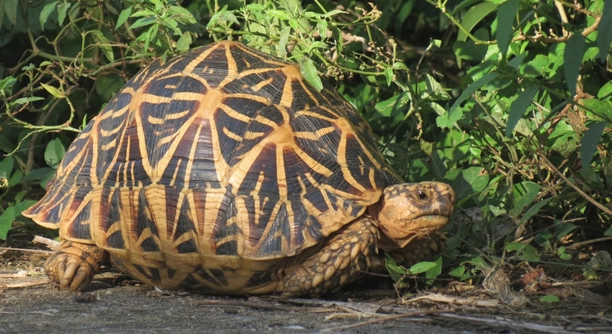
Egg binding is a serious issue that can affect Indian star tortoises, particularly females. Understanding how to prevent it can keep your pet healthy and happy. The following tips will help ensure your tortoise stays comfortable and safe.
Egg binding occurs when a female tortoise cannot lay her eggs due to a variety of causes. Common factors include insufficient space, improper diet, and inadequate temperature. Addressing these factors is key to preventing this painful condition in tortoises.
By following these tips, you can help prevent egg binding and maintain your tortoise’s overall well-being. Knowing how to manage these factors ensures long-term health for your pet.
Provide a Spacious Environment
A spacious enclosure is crucial for preventing egg binding in Indian star tortoises. When tortoises have enough room, they can move freely and create the necessary conditions for egg laying. A cramped space can cause stress, which leads to health complications. The habitat should mimic their natural environment, including access to various areas for climbing and burrowing. This gives them the opportunity to express natural behaviors that are essential for their well-being.
A larger space ensures your tortoise has the freedom to roam, helping them stay active. It also encourages more frequent digging, which is important for the egg-laying process.
To prevent egg binding, make sure your tortoise’s habitat includes a spacious area with a soft substrate that encourages digging. This encourages your pet to create the right environment to lay eggs. A spacious environment contributes to their physical and mental health, making egg laying easier and less stressful.
Maintain Proper Temperature and Humidity
Maintaining proper temperature and humidity is essential to egg laying in Indian star tortoises. The right conditions encourage healthy reproductive cycles and reduce the risk of egg binding.
A consistent temperature range of 80 to 90°F during the day and a cooler night temperature is ideal. Humidity levels should be kept around 50-70%.
Proper lighting, combined with the right humidity and temperature, helps regulate your tortoise’s internal biological processes. These conditions create an environment where they feel safe and comfortable enough to lay eggs.
Provide a Balanced Diet
A proper diet is key to preventing egg binding. Ensure your Indian star tortoise receives a mix of leafy greens, vegetables, and calcium-rich foods. This supports overall health and the ability to lay eggs.
Calcium is especially important for female tortoises to develop strong eggshells. A lack of calcium can lead to egg-binding, as well as other health problems. Supplementing with calcium and offering vitamin D can help your tortoise absorb it more efficiently.
Regularly feed your tortoise a variety of greens like collard greens, dandelion, and kale. Avoid feeding them too many fruits, as this can lead to imbalanced nutrition. Including high-quality calcium supplements or cuttlebone ensures they get the necessary nutrients to support egg production.
Keep the Tortoise Hydrated
Hydration is important to prevent egg binding, as a dehydrated tortoise may struggle to pass eggs. Always provide fresh water and make sure your tortoise drinks enough to stay hydrated.
A properly hydrated tortoise is more likely to lay eggs without complications. Make sure their water is clean, and place it in a shallow dish that is easy to access. Keep an eye on their hydration levels to ensure they are getting enough moisture.
In addition to offering fresh water, you can mist the tortoise’s habitat to increase humidity levels. This also helps soften the substrate, making it easier for your tortoise to dig and lay eggs. By maintaining proper hydration, you’ll help prevent unnecessary stress.
Provide a Suitable Nesting Area
A proper nesting area is essential for egg-laying. Create a spot in your tortoise’s enclosure with soft, deep substrate, such as soil or sand, where they can dig and feel safe.
Tortoises instinctively dig to create a secure spot for laying eggs. If they don’t have an appropriate place to do so, they may become stressed, leading to egg binding. A deep, loose substrate encourages them to dig and lay their eggs naturally.
Check the nesting area regularly to ensure it’s still suitable. If necessary, add more substrate or adjust the environment for the tortoise’s comfort.
Monitor Stress Levels
Stress can prevent tortoises from laying eggs, contributing to egg binding. Keeping your tortoise calm and comfortable is key to preventing complications.
Avoid overcrowding or excessive handling, as these can increase stress levels. Ensure the habitat is quiet and undisturbed. Create hiding spots to give your tortoise a sense of security.
Stress management includes maintaining a consistent routine, temperature, and humidity levels. By reducing stress, you’ll support your tortoise’s reproductive health and reduce the risk of egg binding.
FAQ
What are the signs of egg binding in Indian star tortoises?
Egg binding can be difficult to detect at first, but there are a few key signs to watch for. A tortoise that is unable to lay eggs may become lethargic, lose appetite, or display signs of distress such as straining or pacing. Additionally, a bloated or swollen abdomen is a common symptom of egg binding. If you notice these signs, it’s important to seek veterinary care immediately.
How can I tell if my tortoise is ready to lay eggs?
Before laying eggs, female tortoises will show signs like restlessness or digging behavior. They will often seek out soft, loose substrate to create a nest. You may also notice that they spend more time in their nesting area, indicating they are preparing to lay eggs.
Can egg binding be treated?
Yes, egg binding can be treated, but it often requires immediate intervention. In some cases, a veterinarian may help manually remove the eggs or administer medication to encourage egg laying. If untreated, egg binding can cause severe health issues and may be fatal.
What can I do to prevent egg binding?
To prevent egg binding, it’s essential to ensure your tortoise’s environment is suitable. Provide a spacious, secure enclosure with a proper nesting area, appropriate humidity, and a balanced diet rich in calcium. Keeping your tortoise hydrated and minimizing stress can also help avoid complications.
How often do female Indian star tortoises lay eggs?
Female Indian star tortoises typically lay eggs once or twice a year, though this can vary depending on their health, diet, and environmental factors. It’s important to monitor your tortoise during breeding season and provide suitable conditions for egg laying.
Should I assist my tortoise when it’s laying eggs?
Generally, it’s best to let your tortoise lay eggs on her own, as they know what to do instinctively. However, you should ensure that she has a quiet, safe space to lay her eggs. If she is struggling or showing signs of distress, consult a vet for advice.
Can egg binding happen in younger tortoises?
While egg binding is more common in older female tortoises, it can occur in younger ones as well, especially if they have not reached full maturity or have not been provided with a proper environment. Ensuring they have the right conditions early on can help prevent issues later.
How do I create a proper nesting area for my tortoise?
A good nesting area for your tortoise should have soft, loose substrate like soil, sand, or a mix of both. Make sure the area is deep enough for your tortoise to dig, as they will naturally bury their eggs. Ensure the area is clean, dry, and secure to help your tortoise feel safe.
What should I do if my tortoise isn’t laying eggs after mating?
If your tortoise is not laying eggs after mating, there could be a few reasons for the delay. Environmental stress, improper diet, or inadequate nesting space may be factors. Make sure your tortoise is hydrated, has the proper substrate, and is in a calm, secure environment. If there is no egg laying after a long period, consult with a veterinarian.
Can egg binding cause long-term health problems?
Yes, egg binding can cause serious health issues, including infections, internal damage, and even death if not addressed promptly. The pressure from the eggs on the tortoise’s internal organs can cause severe pain and discomfort. That’s why it’s critical to seek treatment immediately if you suspect egg binding.
Is there anything I can do to help my tortoise lay eggs more easily?
To help your tortoise lay eggs more easily, make sure her enclosure provides everything she needs to feel safe and comfortable. A spacious, quiet area with a proper nesting site, ideal temperature and humidity, and a balanced diet will create the perfect conditions for egg laying. Reducing stress is key.
Can a male tortoise contribute to egg binding?
Male tortoises do not directly cause egg binding in females. However, if mating stress occurs, it can make females more anxious, which can affect their ability to lay eggs. Ensuring the female has a proper environment to feel safe and secure can help reduce stress related to mating.
How long does it take for a tortoise to lay eggs?
The process of laying eggs can take several hours, depending on the size of the clutch and the tortoise’s comfort level. Once the eggs are laid, the tortoise may cover them with substrate and move away. It’s important to leave the tortoise undisturbed during this process.
What should I do if my tortoise’s eggs seem to be stuck?
If the eggs seem to be stuck or the tortoise is straining excessively without success, it’s critical to contact a veterinarian. They can assist in safely removing the eggs or administering treatment to help the tortoise pass them. Never try to remove the eggs yourself, as this could cause harm.
Can stress cause egg binding in tortoises?
Yes, stress is a common contributor to egg binding. Tortoises that are stressed due to overcrowding, handling, or improper environmental conditions may have difficulty laying eggs. Reducing stress by maintaining a quiet, secure, and spacious environment can help prevent egg binding.
Final Thoughts
Ensuring your Indian star tortoise has the right conditions for egg laying is essential for its health and well-being. By providing a proper nesting area, monitoring stress levels, and maintaining a balanced diet, you can significantly reduce the risk of egg binding. It’s important to offer the correct substrate, such as soft soil or sand, that allows your tortoise to dig comfortably. This helps them feel secure when laying eggs and minimizes the chances of complications.
Pay close attention to your tortoise’s behavior, especially during breeding season. If your tortoise shows signs of distress, such as a swollen abdomen or difficulty laying eggs, it’s crucial to act quickly. Egg binding can be life-threatening if left untreated, but with prompt veterinary care, most tortoises can recover. Ensuring a stress-free, well-maintained habitat will go a long way in preventing health issues.
While egg binding can be a serious problem, prevention is often simple with the right care. Creating a calm, comfortable environment that includes appropriate nesting areas and a healthy diet will help your tortoise avoid many reproductive issues. Always keep an eye on your tortoise’s behavior and health, and seek veterinary advice when needed. By staying proactive and informed, you can help your Indian star tortoise live a long, healthy life.

Hello,
If you enjoy the content that we create, please consider saying a "Thank You!" by leaving a tip.
Every little bit helps us continue crafting quality advice that supports the health, happiness, and well-being of pets around the world, for pets of all shapes, sizes, and species.
We really appreciate the kindness and support that you show us!