
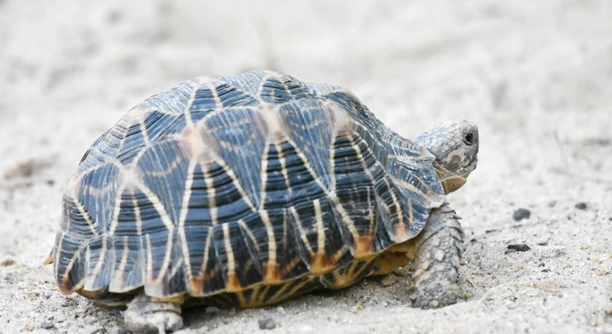
Are your Indian star tortoises showing signs of discomfort or unusual behavior? Mite infestations can cause irritation, stress, and health issues for these reptiles. Recognizing the symptoms early can help ensure your tortoise receives proper treatment and care.
Common symptoms of mites in Indian star tortoises include excessive scratching, lethargy, swollen eyes, and visible tiny parasites on the skin or shell. Treatment typically involves isolating the tortoise, thoroughly cleaning its habitat, and using reptile-safe mite treatments to eliminate the infestation effectively.
Identifying and treating mites promptly can prevent further complications. Learning proper care techniques will help keep your tortoise healthy and free from these troublesome parasites.
Symptoms of Mites in Indian Star Tortoises
Mites can cause noticeable discomfort for Indian star tortoises. Common signs include persistent scratching, rubbing against objects, and inflamed or swollen skin. You may also notice tiny red or black specks moving on the tortoise’s body, particularly around the neck, legs, and shell seams. Some tortoises become lethargic and lose interest in food due to irritation. Swollen or crusty eyes and excessive basking are also indicators of an infestation. If mites remain untreated, they can weaken the tortoise’s immune system, leading to secondary infections. Early detection is essential to prevent further health issues and ensure proper recovery.
Mites spread quickly, making it important to inspect your tortoise regularly. They often hide in the crevices of the shell, around the eyes, and under the limbs. Checking for mites during routine care can help you address the issue before it becomes severe.
Proper identification and immediate action can reduce the impact of mites on your tortoise. Regular habitat maintenance and routine health checks can prevent infestations from occurring. Keeping an eye on your tortoise’s behavior and physical condition will help ensure it remains healthy and comfortable.
How to Treat Mites in Indian Star Tortoises
Treatment begins with isolating the affected tortoise in a clean, mite-free environment. Mites thrive in warm, humid spaces, so thoroughly cleaning the habitat is necessary. Remove all substrate, disinfect surfaces, and replace accessories with mite-free materials.
Using a reptile-safe mite treatment is essential. Soaking your tortoise in warm water can help loosen mites from the skin. Applying a veterinarian-approved mite spray or diluted betadine solution can further eliminate remaining parasites. Avoid using harsh chemicals, as they can harm your tortoise. Cleaning all enclosures, decorations, and tools will help prevent reinfestation. Regularly monitoring your tortoise after treatment ensures mites do not return.
Preventing future infestations requires maintaining a clean habitat and avoiding contaminated enclosures. Quarantine new reptiles before introducing them to your tortoise’s space. Routine inspections and proper hygiene practices will keep mites from becoming a recurring problem. Keeping the enclosure dry, removing uneaten food, and maintaining proper ventilation will create an environment less suitable for mites.
Preventing Mite Infestations in Indian Star Tortoises
Maintaining a clean habitat is the most effective way to prevent mites. Regularly disinfect the enclosure, remove uneaten food, and replace substrate frequently. Proper ventilation and a dry environment help reduce humidity levels, making the habitat less suitable for mites.
Quarantining new reptiles before introducing them to your tortoise’s enclosure can prevent mite infestations. Mites often hitchhike on newly acquired animals or contaminated bedding. Keep new tortoises in a separate, clean space for at least a few weeks, monitoring them for signs of mites before integrating them with others. Inspect all new enclosure decorations, logs, and substrate to ensure they are mite-free.
Routine health checks are important in preventing mites. Examine your tortoise’s skin, shell, and hidden areas for any signs of irritation or parasites. If you notice excessive scratching, lethargy, or visible mites, take immediate action. Consistent monitoring and proper hygiene will keep your tortoise healthy.
Choosing the Right Mite Treatments
Mite treatments should be safe for reptiles and effective at eliminating parasites. Commercial reptile mite sprays and diluted betadine solutions are commonly used. Always follow product instructions and avoid overuse, as some chemicals can be harmful to tortoises. Regular baths in warm water can also help remove mites from the skin.
Cleaning the enclosure is just as important as treating the tortoise. Mites hide in bedding, crevices, and decorations, so removing all substrate and disinfecting surfaces is necessary. Use reptile-safe disinfectants or diluted bleach solutions to wipe down the enclosure. Let everything dry completely before reintroducing your tortoise.
Consistency is key when treating mites. Even after the initial treatment, continue checking your tortoise for any remaining mites. Repeat treatments as needed and maintain a clean environment. Ensuring proper husbandry and hygiene practices will help prevent mites from becoming a recurring problem.
Common Mistakes in Mite Treatment
Using harsh chemicals can harm your tortoise rather than help. Some treatments designed for other animals contain ingredients that are toxic to reptiles. Always choose reptile-safe options and consult a veterinarian if unsure about the safety of a product.
Neglecting to clean the enclosure properly can lead to reinfestation. Mites hide in bedding, decorations, and small crevices, so removing and disinfecting everything is necessary. Skipping this step allows mites to return even after treating your tortoise, prolonging the infestation.
When to Seek Veterinary Help
Severe infestations may require veterinary assistance. If mites persist despite treatment, or if your tortoise becomes lethargic, stops eating, or develops skin infections, professional care is necessary. A vet can prescribe stronger yet safe medications and ensure your tortoise is not suffering from secondary health issues caused by mites.
Monitoring Your Tortoise After Treatment
Regularly check your tortoise for signs of mites even after treatment. Early detection prevents infestations from worsening. Keep the enclosure clean, watch for excessive scratching, and inspect the skin and shell seams frequently. Staying consistent with monitoring and hygiene practices will help keep your tortoise mite-free.
FAQ
How do I know if my Indian star tortoise has mites?
The most common signs of mite infestation in tortoises are excessive scratching, rubbing against objects, swollen eyes, and visible mites on the skin or shell. Tortoises may also become lethargic, stop eating, or show signs of irritation. Regular inspections of the skin, especially in hidden areas like under the legs and around the neck, will help you spot mites early.
Can mites harm my tortoise?
Yes, mites can cause irritation, discomfort, and stress for your tortoise. Over time, untreated mite infestations can lead to weakened immune systems, secondary infections, and even difficulty eating or basking. Early treatment is essential to prevent these complications and ensure your tortoise remains healthy.
Are mites contagious to other tortoises?
Yes, mites are highly contagious. If one tortoise is infested, the mites can quickly spread to others in the same enclosure. Quarantine any new tortoises before introducing them to your existing pets to prevent cross-contamination. It’s also important to treat all affected tortoises in the same environment to ensure complete eradication.
Can I use over-the-counter mite treatments for reptiles?
While some over-the-counter treatments are safe for reptiles, it’s crucial to choose products specifically designed for reptiles to avoid harm. Always read the label and follow the instructions carefully. Consulting with a veterinarian before using any treatment can provide peace of mind and ensure your tortoise’s safety.
How often should I clean my tortoise’s habitat to prevent mites?
Cleaning the habitat at least once a week is recommended to prevent mite infestations. Remove uneaten food, replace bedding, and disinfect all surfaces. Regular cleaning reduces the chances of mites thriving in the enclosure and ensures a healthy environment for your tortoise.
Can mites affect the shell of my tortoise?
Mites generally do not cause direct damage to the shell, but they can cause irritation around the seams and skin where the shell meets the body. Over time, this irritation can lead to infections if left untreated. Regularly inspect your tortoise’s shell and treat any signs of mites to prevent further issues.
What are the best treatments for mites in tortoises?
The most effective treatments include reptile-safe mite sprays or solutions, such as diluted betadine or commercially available mite treatments. A warm water bath can help remove mites from the skin. It’s important to follow up with habitat cleaning and regular inspections to ensure complete elimination.
Can I use natural remedies to treat mites?
While some natural remedies, like neem oil or diluted apple cider vinegar, are occasionally used, their effectiveness can vary. It’s better to consult a veterinarian for guidance on natural treatments to ensure they won’t harm your tortoise. Safe, proven treatments should always be prioritized for the health of your pet.
Should I worry about mites spreading to my home?
Mites can spread to other areas in your home if they are carried on your clothes or other items used with your tortoise. To prevent this, clean and disinfect any tools, clothes, or surfaces that have come into contact with the affected tortoise. Keeping the tortoise’s habitat confined to one area will help minimize the spread of mites.
How long does it take to treat mites in tortoises?
The treatment for mites usually takes a few weeks. While the tortoise may start feeling better within a few days of treatment, it’s essential to continue the cleaning process and monitor for remaining mites. Depending on the severity of the infestation, it may take multiple treatments before your tortoise is completely mite-free.
Can mites affect tortoises of all ages?
Yes, mites can infest tortoises of any age. However, younger tortoises or those with weakened immune systems may be more susceptible to the effects of mites. Regular health checks and prompt treatment will help protect tortoises at any stage of life from mite infestations.
Are mites common in tortoises?
Mite infestations are relatively common in tortoises, especially if they are housed in environments with high humidity or poor sanitation. Regular maintenance of the tortoise’s habitat, including proper ventilation and cleanliness, reduces the risk of infestation. Regular health checks also help in identifying early signs of mites.
How do I prevent mites from returning after treatment?
To prevent mites from returning, consistently clean your tortoise’s habitat and disinfect all items inside it. Quarantine new tortoises before adding them to the enclosure, and inspect them for any signs of mites. Keeping the habitat dry, well-ventilated, and free of debris will make it less hospitable to mites.
Final Thoughts
Mite infestations in Indian Star Tortoises are not uncommon but can be managed effectively with the right care and attention. Early detection is crucial, as untreated infestations can lead to discomfort and potential health problems. Regular inspections of your tortoise’s skin and shell, especially in hidden areas, will help you spot signs of mites early. The faster you act, the less likely your tortoise will suffer from the negative effects of these pests. Treatment options vary from natural remedies to commercially available mite sprays, but it’s essential to use reptile-safe products. Consulting a veterinarian ensures the health and safety of your pet during the treatment process.
A clean living environment is one of the most important steps in preventing mite infestations. Mites thrive in damp, dirty conditions, so it’s vital to maintain a dry and hygienic habitat for your tortoise. This includes regularly changing bedding, disinfecting surfaces, and removing uneaten food. A clean environment not only helps prevent mites but also contributes to the overall well-being of your tortoise. Additionally, quarantining new tortoises before introducing them to your current pets minimizes the risk of cross-contamination.
Mite treatments usually take a few weeks, so patience is important. Even after applying treatment, you should continue monitoring your tortoise for any signs of mites or irritation. Follow-up cleaning and regular checks will ensure the mites are completely eradicated. Once the infestation is under control, continue to practice good hygiene and habitat management to keep your tortoise healthy. With proper care, your tortoise can recover fully and live a long, happy life free from mites.

Hello,
If you enjoy the content that we create, please consider saying a "Thank You!" by leaving a tip.
Every little bit helps us continue crafting quality advice that supports the health, happiness, and well-being of pets around the world, for pets of all shapes, sizes, and species.
We really appreciate the kindness and support that you show us!