
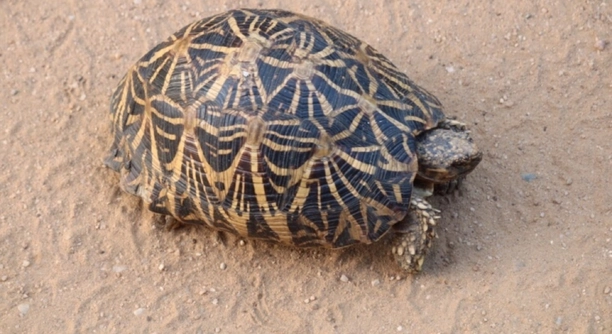
If your Indian star tortoise is not eating, it could be due to various reasons. Understanding the possible causes and solutions can help restore its appetite and ensure its well-being.
Indian star tortoises may refuse food due to stress, incorrect temperature, or an improper diet. Ensuring the right environment and offering appropriate foods is key to encouraging eating habits and supporting the overall health of your tortoise.
There are simple steps you can take to encourage your tortoise to eat again and improve its health.
Stress and Overhandling
Stress is one of the main reasons your Indian star tortoise might refuse food. Frequent handling or sudden changes in its environment can cause anxiety. Tortoises are sensitive to their surroundings, and any disturbance can negatively impact their appetite. If your pet seems stressed, it’s important to create a calm and stable environment for it.
Reducing the frequency of handling and keeping the habitat quiet can help your tortoise feel more secure. This will, in turn, encourage it to resume eating.
Provide a secluded area within its enclosure where your tortoise can retreat. This allows it to feel safe and reduces stress levels. Ensuring your tortoise has privacy and stability will go a long way in restoring its normal eating habits.
Incorrect Temperature
The temperature in your tortoise’s enclosure plays a significant role in its ability to eat. If the area is too cold or too hot, your tortoise may lose its appetite. Maintaining a proper temperature gradient is essential for your tortoise’s digestion and overall health.
A basking spot of around 95°F (35°C) and a cooler side of 75-80°F (24-27°C) should be established. Ensure that the lighting is also set correctly to simulate natural sunlight. Inconsistent or improper heating can lead to a loss of appetite, so regularly check the temperature using a thermometer to maintain stability.
Poor Diet
Offering a variety of foods is important to keep your tortoise eating. A monotonous diet can lead to a lack of interest in food. Make sure to provide a mix of leafy greens, vegetables, and occasional fruits, avoiding overfeeding on any one type.
It’s also important to provide the right calcium and vitamin D3 levels. Without these nutrients, your tortoise might not feel hungry. Offering a balanced diet that includes a good mix of fiber, vitamins, and minerals helps stimulate appetite and support overall health.
Avoid giving your tortoise foods that are high in oxalates, such as spinach, which can inhibit calcium absorption. Additionally, always ensure fresh water is available. Hydration is key to encouraging eating and supporting your tortoise’s digestion. A well-balanced diet, along with proper hydration, is crucial to restoring your tortoise’s eating habits.
Health Issues
If your tortoise continues to refuse food despite changes in its environment and diet, health issues could be a factor. Infections, parasites, or metabolic disorders can lead to a loss of appetite. These conditions often require professional attention to diagnose and treat.
A vet can perform a thorough examination and recommend any necessary treatments. If you notice other symptoms such as lethargy, swelling, or abnormal behavior, it’s best to consult with a veterinarian experienced with reptiles. It’s important to address potential health problems early to prevent them from worsening.
Regular check-ups with an exotic pet vet ensure your tortoise remains healthy and happy. These visits help detect any underlying health issues before they become serious and affect its eating habits.
Environmental Factors
Your tortoise’s environment plays a key role in its eating habits. A lack of natural light or improper humidity can cause stress and loss of appetite. Ensure the habitat has appropriate lighting and humidity levels to mimic its natural surroundings.
Providing UVB lighting is essential to help your tortoise metabolize calcium and stay healthy. Without it, your tortoise may refuse food or become lethargic. Make sure the light source is within the recommended distance and replaced regularly to maintain effectiveness.
Offering Variety
A diverse selection of foods can encourage your tortoise to eat. Rotate greens, vegetables, and fruits to keep things interesting. Including some of your tortoise’s favorite foods along with new ones can entice it to try different options.
Offering food in different shapes or textures can also spark interest. For example, try shredding the vegetables or offering them in small pieces. If your tortoise continues to ignore certain foods, it may be due to boredom. Keeping meals varied will help keep your tortoise engaged and interested in eating.
Hydration
Hydration is essential for your tortoise’s digestion and appetite. A dehydrated tortoise may refuse to eat. Ensure fresh water is available at all times, and consider soaking your tortoise in shallow, lukewarm water for 20 to 30 minutes to encourage drinking.
You can also offer water-rich vegetables, like cucumber or melon, to help with hydration. If your tortoise still refuses food, lack of water could be the problem. Always check water quality and change it regularly to avoid contamination, which could deter your tortoise from drinking.
FAQ
Why isn’t my Indian star tortoise eating?
Several factors can lead to a lack of appetite. Stress, incorrect temperature, an improper diet, or health issues are common reasons. It’s important to assess the environment, diet, and any signs of illness to determine the cause. If the problem persists, consulting a vet is recommended.
How can I reduce stress for my tortoise?
To reduce stress, avoid frequent handling and provide a quiet, calm environment. Make sure the enclosure is large enough for your tortoise to move around comfortably. Provide hiding spots and ensure the area is free from sudden loud noises or disturbances.
What is the ideal temperature for my tortoise’s enclosure?
The ideal temperature for an Indian star tortoise’s enclosure should range from 75-80°F (24-27°C) on the cooler side, and 90-95°F (32-35°C) at the basking spot. It’s essential to use a reliable thermometer to monitor the temperature consistently and adjust as needed.
How often should I feed my tortoise?
An adult Indian star tortoise can be fed every other day, while younger tortoises may require daily meals. Ensure the food is fresh and varied, offering a mix of leafy greens, vegetables, and occasional fruits. Overfeeding should be avoided to maintain proper health.
Can I feed my tortoise fruits?
Yes, fruits can be fed occasionally. However, they should be given in moderation as they can be high in sugar. Offer fruits like berries, melons, and papaya in small amounts, balancing them with leafy greens and other vegetables.
Is it normal for my tortoise to stop eating during winter?
Tortoises may eat less during colder months as their metabolism slows down. However, they should still have access to food and water. If your tortoise is refusing food for extended periods, ensure the enclosure temperature is adequate, and seek a vet’s advice if needed.
What are the signs of dehydration in a tortoise?
Signs of dehydration include dry, flaky skin, sunken eyes, and a lack of interest in food. Your tortoise may also become lethargic or weak. Ensure your tortoise has constant access to fresh water and consider soaking it in warm water if dehydration is suspected.
How do I make sure my tortoise is eating a balanced diet?
Offer a variety of foods, including dark leafy greens like dandelion greens, collard greens, and mustard greens. Avoid high-oxalate foods like spinach. You can also provide a calcium supplement to ensure proper bone health. A varied diet will meet the tortoise’s nutritional needs.
Can a change in environment cause my tortoise to stop eating?
Yes, moving your tortoise to a new enclosure or changing its surroundings can cause stress, which may lead to a loss of appetite. Ensure that the new environment is set up correctly with appropriate temperature, lighting, and hiding spots. Give your tortoise time to adjust.
Should I offer my tortoise water by spraying its enclosure?
Spraying the enclosure with water can help maintain humidity, which is important for your tortoise’s health. However, it’s essential to also provide a shallow dish of fresh water for drinking. Ensure the humidity level is appropriate for your tortoise’s needs without causing excessive dampness.
Can I feed my tortoise flowers?
Yes, many edible flowers are safe for tortoises, including dandelions, hibiscus, and nasturtiums. These flowers can add variety to your tortoise’s diet. Be sure to avoid flowers that may have been treated with pesticides or chemicals.
What should I do if my tortoise is not eating for a long period?
If your tortoise hasn’t eaten for more than a week and shows signs of illness, such as lethargy or abnormal behavior, it’s important to consult a veterinarian. Persistent refusal to eat can indicate an underlying health issue that requires professional attention.
How can I tell if my tortoise is sick?
Signs of illness in tortoises can include lack of appetite, swollen eyes, nasal discharge, lethargy, or abnormal shell growth. If you notice any of these symptoms, contact a veterinarian immediately for an accurate diagnosis and treatment plan.
Can I feed my tortoise commercial food?
While some commercial tortoise foods are designed to meet nutritional needs, they should not be the primary food source. Fresh, varied food is best for your tortoise’s health. Commercial food can be used occasionally but should not replace natural foods.
Is it safe to give my tortoise lettuce?
Lettuce can be given in moderation, but avoid iceberg lettuce, as it has little nutritional value and can cause digestive issues. Opt for darker varieties like romaine lettuce, which contain more nutrients. Offer lettuce alongside other vegetables to create a balanced meal.
Why does my tortoise eat more some days and less on others?
Indian star tortoises may eat more on some days due to their natural feeding patterns. Environmental factors, such as temperature and humidity, can affect their appetite. It’s normal for tortoises to eat less during cooler weather or after a period of stress.
Can my tortoise get too fat?
Yes, tortoises can become overweight if they are overfed or if they are not getting enough exercise. Overfeeding fruits, high-fat foods, or providing food too frequently can contribute to weight gain. Ensure your tortoise is eating a balanced diet and has enough space to roam.
Is it necessary to provide UVB lighting for my tortoise?
UVB lighting is essential for the health of your tortoise. It helps them produce vitamin D3, which is needed for calcium absorption and bone health. Without UVB, your tortoise may develop metabolic bone disease. Replace UVB bulbs every 6-12 months for optimal health.
How long can my tortoise go without food?
In healthy tortoises, it’s possible to go without food for a few days to a week, depending on age and size. However, prolonged refusal to eat should not be ignored, as it may indicate a health problem. If the refusal lasts more than a week, consult a veterinarian.
Final Thoughts
An Indian star tortoise refusing to eat can be concerning, but it’s essential to approach the situation with patience. It’s common for tortoises to experience changes in appetite due to environmental factors or minor health issues. Often, a few adjustments to their living conditions or diet can make a significant difference. Ensure the temperature and humidity levels in their enclosure are optimal. These factors directly affect their appetite and overall health. Tortoises are sensitive to changes in their environment, so maintaining a stable setting is crucial for their well-being.
If your tortoise continues to refuse food despite environmental changes, it’s essential to monitor their behavior for signs of illness. Sometimes, a lack of appetite is the first sign of a more significant health issue. Look for symptoms such as lethargy, nasal discharge, or swelling, as these may indicate a need for veterinary care. A qualified reptile vet can diagnose the problem and offer solutions. In many cases, a simple dietary change or minor treatment is all that’s needed to help your tortoise recover.
Finally, while dealing with a tortoise’s lack of appetite can be stressful, maintaining a proper diet and care routine is key. Offering a variety of leafy greens, occasional fruits, and ensuring your tortoise gets the right vitamins and minerals will help keep them healthy. Regular check-ups with a veterinarian, particularly if they stop eating for an extended period, are always a good idea. With the right environment, diet, and care, your Indian star tortoise should return to normal eating habits in no time.

Hello,
If you enjoy the content that we create, please consider saying a "Thank You!" by leaving a tip.
Every little bit helps us continue crafting quality advice that supports the health, happiness, and well-being of pets around the world, for pets of all shapes, sizes, and species.
We really appreciate the kindness and support that you show us!