
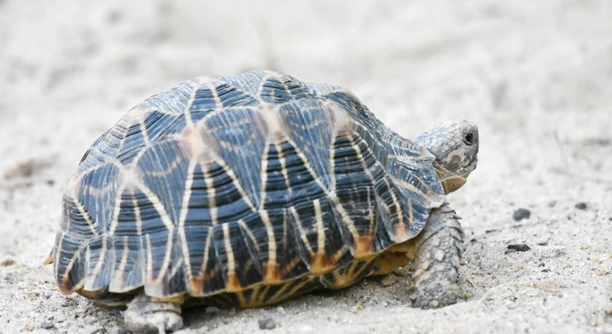
Is your Indian star tortoise spending too much time being inactive? Providing mental and physical stimulation is essential for keeping them engaged. A well-enriched environment helps prevent boredom and encourages natural behaviors, leading to a healthier and happier tortoise.
Keeping your Indian star tortoise entertained involves offering a variety of enrichment activities, such as obstacle courses, different textured surfaces, and foraging opportunities. Providing hiding spots, interactive feeding methods, and safe outdoor time also helps stimulate their curiosity and promote physical activity.
From creating stimulating enclosures to encouraging natural instincts, these simple methods will help keep your tortoise engaged and active in its environment.
Create an Engaging Habitat
A stimulating environment keeps your Indian star tortoise active and engaged. Adding natural elements like logs, rocks, and plants encourages exploration. Different textures, such as sand, soil, and gravel, help maintain foot health while also offering sensory enrichment. A spacious enclosure allows for movement and prevents stress. Incorporating shaded areas and hiding spots provides a sense of security, reducing anxiety. Rotating decorations and rearranging items periodically keeps things interesting. Avoid overcrowding the space, as too many obstacles can be overwhelming. A well-planned habitat ensures your tortoise stays curious and physically active.
Providing a variety of enrichment items is key to preventing boredom. Simple additions like tunnels, small mounds, and different surfaces promote natural behaviors. A diverse setup keeps them engaged throughout the day.
Tortoises thrive in environments that mimic their natural habitat. Adding edible plants encourages foraging and keeps them busy while also supporting a healthy diet. Safe outdoor enclosures allow for sun exposure, which is essential for shell and bone health. Natural sunlight provides vitamin D3, helping to prevent deficiencies. Offering occasional digging areas lets them express instinctive behaviors. A stimulating environment not only promotes activity but also improves their overall well-being. Regularly assessing their space ensures they have everything needed for a fulfilling life.
Introduce Interactive Feeding
Changing how your tortoise eats can make mealtime more engaging. Instead of offering food in one spot, scatter pieces around the enclosure. This encourages natural foraging behavior and increases physical activity. It also makes feeding time last longer, keeping them entertained.
Hiding food under leaves or inside enrichment objects stimulates curiosity. Puzzle feeders, such as overturned flower pots with small openings, make them work for their meals. Providing different food textures keeps feeding time interesting. Leafy greens, vegetables, and edible flowers offer variety. Feeding on a flat rock helps with beak maintenance. Hand-feeding on occasion strengthens trust and interaction. A slow, engaging feeding process prevents boredom.
Adjusting feeding methods prevents passive eating habits. Offering food on different surfaces, such as rough stones or wooden planks, encourages natural scraping motions that maintain beak health. Safe hanging greens make them stretch and reach, promoting movement. Feeding enrichment also reduces food-related aggression when housed with others. Simple changes create a more engaging and stimulating mealtime experience.
Encourage Natural Exploration
Adding obstacles like small logs and rocks encourages your tortoise to navigate different paths. This keeps them active and strengthens their muscles. Providing shaded hideouts offers security while allowing them to explore their surroundings at their own pace. Simple changes in their enclosure can make a big difference.
Incorporating gentle slopes or ramps helps improve coordination and encourages movement. Creating a safe digging area with loose soil allows them to burrow, which is a natural behavior for many tortoises. Rearranging their environment occasionally prevents monotony and stimulates curiosity. Placing safe, edible plants throughout the space encourages exploration while also supporting a varied diet. Different terrain types, like patches of grass or sand, provide new sensory experiences. Ensuring the enclosure remains safe while still offering challenges promotes both mental and physical stimulation. These small additions keep your tortoise engaged and encourage them to stay active daily.
Allowing supervised outdoor exploration provides additional enrichment. A secure, enclosed area with natural sunlight benefits both their health and activity levels. Introducing safe new objects, like overturned plant pots or hollow logs, gives them something different to investigate. Adding fresh scents, like new leaves or flowers, can pique their interest. Encouraging natural exploration prevents boredom and supports overall well-being.
Provide Safe Climbing Opportunities
Tortoises benefit from climbing on gentle slopes and low platforms. These structures help strengthen their limbs and improve coordination. Using sturdy materials like flat rocks or wide wooden ramps ensures safety. Avoid steep surfaces to prevent falls and injuries. A well-placed climbing area adds excitement to their environment.
Layering different surfaces within their enclosure encourages movement. Smooth rocks, sloped branches, and raised platforms provide variety while promoting exercise. These elements should have stable, non-slip textures to prevent accidents. Gradual inclines offer an extra challenge while remaining safe. Creating a multi-level habitat makes daily activities more engaging. Ensuring easy access between levels allows for safe navigation. Placing food or enrichment items near climbing areas motivates activity. Adjusting these features occasionally prevents predictability. Encouraging climbing behavior keeps your tortoise physically active and mentally stimulated.
Tortoises enjoy exploring vertical spaces, but their climbing structures must be designed carefully. Slopes should be gradual and wide enough for stability. Avoiding sharp drops or loose materials minimizes risks. Providing multiple access points to elevated areas helps prevent them from getting stuck. Monitoring their behavior ensures they are comfortable with the climbing setup. Climbing opportunities, when designed correctly, promote a more active and enriching lifestyle.
Rotate Toys and Objects
Switching out toys and enrichment objects prevents boredom. Introducing new textures and shapes keeps things interesting. Simple items like small tunnels, hollow logs, or safe chewable materials encourage interaction. Rotating objects every few weeks maintains engagement and encourages curiosity. Small changes can make a big impact.
Natural items like dried leaves, soft bark, and edible flowers provide both entertainment and nutritional benefits. Rearranging the enclosure layout occasionally adds novelty without overwhelming them. Avoid cluttering the space while ensuring enough variety. Safe, interactive objects stimulate both their mind and body, keeping them entertained and active.
Offer Gentle Social Interaction
Indian star tortoises are generally solitary but can benefit from occasional interaction. Observing them while they explore or offering food by hand helps build trust. Slow, calm movements ensure they feel comfortable. Interacting regularly without forcing engagement allows them to recognize familiar people and feel secure in their environment.
Play with Scents
Introducing new natural scents stimulates curiosity. Fresh herbs, edible flowers, and different leaves add variety. Changing scents occasionally keeps their enclosure engaging. Safe, natural smells provide a simple but effective way to encourage exploration and prevent monotony.
FAQ
How often should I change my tortoise’s toys and enrichment items?
Rotating toys and enrichment items every two to three weeks keeps your tortoise engaged. This prevents boredom and encourages curiosity. Small changes, such as rearranging objects or adding new textures, help stimulate their senses without overwhelming them. Keeping a mix of familiar and new objects ensures they remain comfortable while still being interested in their surroundings.
Can my Indian star tortoise recognize me?
Indian star tortoises can become familiar with their owners over time. They may associate you with food and gentle interaction. While they do not show affection in the way mammals do, they can become comfortable with your presence. Consistent routines help them feel secure, making interactions more enjoyable.
What scents are safe for my tortoise?
Mild, natural scents from herbs and edible flowers are safe. Basil, cilantro, hibiscus, and rose petals can be used for stimulation. Avoid strong, artificial fragrances, as they may be irritating. Introducing fresh, safe scents occasionally helps create variety in their enclosure while keeping them engaged with their surroundings.
Is it safe to let my tortoise explore outside?
Outdoor exploration can be beneficial if done safely. A secure, enclosed space prevents escape and protects against predators. Supervision is essential to ensure they do not eat toxic plants or overheat. Natural sunlight provides health benefits, but shade and water should always be available to prevent dehydration.
Do Indian star tortoises need companions?
They are naturally solitary and do not require companionship. Housing multiple tortoises together can lead to stress and competition for resources. If keeping more than one, ensure ample space and hiding spots to reduce tension. Monitoring their behavior helps identify any signs of aggression or discomfort.
How can I tell if my tortoise is bored?
Signs of boredom include decreased activity, lack of interest in food, and repetitive behavior. Providing new textures, scents, and interactive elements can help. Simple adjustments, such as changing their environment or offering new enrichment items, encourage engagement and keep them mentally stimulated.
What types of climbing structures are best?
Low, stable ramps and wide, flat rocks are ideal. Avoid steep surfaces and slippery materials. Ensuring that structures are secure and easy to navigate reduces the risk of falls. Placing food or enrichment near climbing areas encourages movement and makes climbing a rewarding activity.
Why does my tortoise bury itself?
Burying is a natural behavior that helps regulate body temperature and provides a sense of security. If they bury themselves frequently, check that their enclosure has the right temperature and humidity levels. Providing loose, safe substrate allows them to dig without stress.
Can I train my tortoise to respond to me?
While they do not learn tricks like dogs, they can recognize feeding routines and familiar voices. Consistently offering food in the same way can help them associate you with positive experiences. Patience and gentle interactions encourage trust over time.
What are some signs my tortoise is stressed?
Reduced activity, refusal to eat, excessive hiding, and attempts to escape can indicate stress. Loud noises, frequent handling, or sudden changes in their environment may be causing discomfort. Providing a stable, quiet space with plenty of hiding areas helps them feel secure.
Final Thoughts
Keeping an Indian star tortoise entertained requires a mix of environmental enrichment, safe exploration, and mental stimulation. Providing climbing structures, varied textures, and occasional scent enrichment helps prevent boredom and encourages natural behaviors. A well-designed enclosure with hiding spots, basking areas, and different surfaces supports their physical and mental well-being. Regular interaction, such as feeding routines and supervised outdoor time, allows them to feel more comfortable in their surroundings. Rotating enrichment items keeps their environment fresh, ensuring they remain curious and engaged without feeling overwhelmed by too many changes at once.
Understanding their natural instincts is essential when introducing new activities. Indian star tortoises are not highly social animals, so their enrichment should focus on independent exploration rather than social interaction. Simple additions, like edible plants, natural logs, or shallow water dishes, provide them with choices that align with their instincts. Monitoring their behavior helps identify what they enjoy most and what might be causing stress. If they show signs of discomfort or disinterest, adjustments may be needed to ensure a balanced environment. By observing their reactions and making gradual changes, their overall well-being can be maintained without disrupting their sense of security.
A well-cared-for tortoise remains active, alert, and engaged in its surroundings. While they may not display excitement in obvious ways, their behaviors reflect their comfort level and interest in their environment. Enrichment is an ongoing process that requires regular updates to prevent monotony while maintaining familiarity. With proper care, Indian star tortoises can live long, healthy lives, enjoying a space that supports their natural behaviors. Keeping their needs in mind when adjusting their environment helps ensure they remain content and stimulated.

Hello,
If you enjoy the content that we create, please consider saying a "Thank You!" by leaving a tip.
Every little bit helps us continue crafting quality advice that supports the health, happiness, and well-being of pets around the world, for pets of all shapes, sizes, and species.
We really appreciate the kindness and support that you show us!