
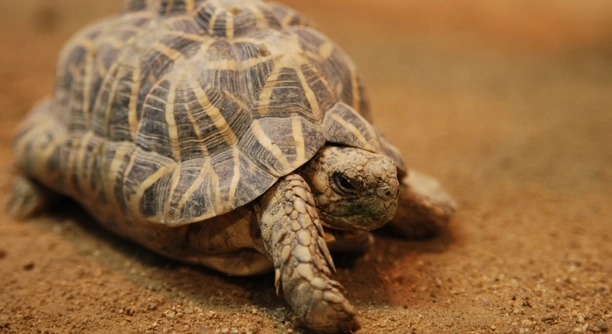
Keeping your Indian Star Tortoise’s tank humid is essential for its well-being. Proper humidity helps with shedding and digestion, ensuring your tortoise remains healthy and comfortable in its environment. Understanding how to maintain this balance is important for pet owners.
To maintain humidity in your tortoise’s tank, ensure the substrate remains damp but not soaked. Use a reliable humidity gauge to monitor levels, and adjust tank conditions through misting, water sources, and appropriate substrate choices to maintain an optimal environment.
There are simple methods you can use to ensure the humidity stays consistent. Knowing how to balance moisture will help keep your tortoise happy and thriving.
Importance of Humidity for Your Indian Star Tortoise
Maintaining the right humidity in your tortoise’s tank is crucial for its overall health. Humidity plays a key role in supporting proper shedding and aiding digestion. Without the right moisture levels, your tortoise may experience discomfort, dehydration, and even skin issues. A balanced humidity level can prevent the shell from becoming too dry or brittle, which is common in environments that are too dry. Proper humidity also helps mimic the natural habitat of your tortoise, which is typically humid and warm. It encourages natural behaviors and allows the tortoise to thrive.
To maintain the right humidity, monitor the tank consistently. You can do this with a hygrometer, which helps track humidity levels easily. Keep in mind, too much moisture can cause mold or health issues, so finding the balance is key.
Over time, keeping the humidity consistent will ensure your tortoise’s health and comfort. Using a few tricks can make this process much easier and more effective. Adjusting the humidity is just one piece of the puzzle, but it’s vital for overall care.
Best Substrate Choices for Humidity Control
Selecting the right substrate can greatly improve humidity management. Coconut coir, organic soil, and sphagnum moss are excellent choices. These materials hold moisture well, helping to maintain a humid environment without becoming waterlogged.
Coconut coir, for example, holds moisture effectively and can be mixed with other substrates to create a suitable, long-lasting surface for your tortoise. These substrates are also easy to replace and maintain, ensuring a clean tank.
Sphagnum moss, on the other hand, is very absorbent and helps retain humidity when damp. When combined with coconut coir, it creates a perfect balance of moisture retention and ease of maintenance. It’s important to ensure the substrate remains slightly damp but not soaked to prevent excess water buildup. Frequent misting can help keep the humidity stable, especially during dry periods. Additionally, be sure to spot clean regularly to avoid mold and bacteria, which can affect the health of your tortoise.
Misting and Watering Techniques
Misting your tortoise’s tank regularly helps maintain the right humidity level. Use a spray bottle to lightly mist the substrate and walls. Be sure not to overdo it, as excessive moisture can lead to mold growth or a soggy tank.
Aim for misting once or twice daily, especially in dry climates or during winter. If you’re in a particularly dry area, you might need to increase the frequency. Pay attention to the humidity gauge to adjust misting as needed. A humidifier can also be a good option to maintain consistent moisture levels.
Using a shallow water dish inside the tank provides an additional moisture source. Ensure the dish is easy for your tortoise to access, but not too deep to avoid drowning risks. It’s best to clean the dish daily to prevent bacteria buildup. Additionally, the water will naturally evaporate, adding more humidity to the tank.
Using a Humidifier in the Tank
A humidifier can help maintain consistent moisture levels in the tank. It’s particularly useful for larger tanks or areas where natural humidity is too low. Place the humidifier near the tank’s opening or outside to prevent it from getting wet.
A good quality humidifier will help provide even moisture distribution. This reduces the need for frequent manual misting and ensures the environment remains stable. Make sure to clean the humidifier regularly to prevent mold or mildew buildup. A hygrometer will allow you to monitor the humidity levels, ensuring they stay within the desired range.
Investing in a reliable humidifier will save time and effort, as it takes care of humidity more consistently than manual methods. However, it’s essential to adjust the settings to avoid over-saturating the environment, as too much moisture can harm your tortoise’s health. Proper humidity control will keep your tortoise comfortable and reduce stress.
Tank Size and Humidity
The size of your tortoise’s tank affects how easily you can maintain humidity. Larger tanks may need additional humidity sources to keep the levels consistent. A smaller tank may hold moisture better but could be harder to regulate.
Ensure the tank has enough space for your tortoise to move comfortably while maintaining appropriate humidity. You can adjust the tank size as your tortoise grows. Larger tanks typically require more frequent misting and extra humidity support.
Tank Placement and Humidity
The location of your tank plays a significant role in humidity control. Place it in a room with stable temperature and humidity levels. Avoid placing it near vents or windows, as drafts can cause fluctuations.
Direct sunlight can dry out the tank too quickly. Keep the tank in a quiet, stable area with minimal temperature and humidity changes. A consistent environment will make it easier to manage humidity levels over time.
FAQ
How do I know if the humidity in my tortoise’s tank is too low?
If the humidity is too low, your tortoise may start showing signs of dehydration, such as dry skin or difficulty shedding. The tank will feel drier, and the substrate may lose moisture quickly. You can check using a hygrometer. Ideally, the humidity should be between 50% and 70%. If it drops below this range, it’s time to take action.
How do I prevent excess moisture in the tank?
To prevent excess moisture, avoid over-misting. Keep the substrate slightly damp, not soaking wet. Make sure your tortoise has access to a dry area within the tank to escape from excess humidity. Using a fan or adjusting ventilation can also help reduce moisture buildup.
Can I use a heat mat or lamp to control humidity?
A heat mat or lamp primarily helps regulate temperature, but they can indirectly affect humidity. If placed too close to the tank, they can cause moisture to evaporate faster. It’s important to monitor both the temperature and humidity to maintain a balanced environment for your tortoise.
What’s the best type of substrate for humidity?
Coconut coir and sphagnum moss are great for retaining moisture without becoming soggy. Coconut coir absorbs moisture well and can be mixed with other substrates. Sphagnum moss holds moisture for a longer period, helping keep the tank humid. Both options are easy to replace and maintain.
How often should I mist my tortoise’s tank?
Misting frequency depends on the climate, tank size, and humidity level. Generally, misting once or twice a day should be enough. In dryer climates, you might need to mist more often. Use a hygrometer to ensure humidity stays within the ideal range.
What should I do if I see mold in the tank?
Mold can appear if the humidity is too high or if moisture is trapped in one area for too long. Spot clean the affected areas, remove any mold, and adjust your humidity practices. Make sure you don’t over-mist and clean the tank regularly to prevent mold buildup.
Can I use a humidifier to increase humidity?
Yes, a humidifier is a great way to maintain consistent humidity levels in larger tanks. It can also reduce the need for frequent misting. Make sure the humidifier is placed in a way that it doesn’t directly wet the substrate, and always clean it regularly to avoid mold buildup.
Is it okay to use tap water for misting?
Tap water is generally fine for misting, but make sure it’s free from chlorine or any harmful chemicals. If you’re unsure about your water quality, you can use filtered or distilled water. This helps prevent any build-up of minerals or chemicals that could harm your tortoise.
How do I keep humidity consistent during the winter?
Winter can cause humidity levels to drop, so you may need to adjust your tank setup. Use a humidifier to maintain consistent moisture, and ensure the tank is in a room that stays warm and humid enough. You may also want to increase misting during colder months, especially if indoor air tends to be dry.
How much water should I provide for my tortoise?
Always provide fresh water in a shallow dish that’s easily accessible for your tortoise. The water should be changed daily to prevent bacteria buildup. While tortoises don’t always drink a lot, access to clean water is essential to help maintain hydration and humidity in the tank.
Final Thoughts
Maintaining the right humidity in your Indian Star Tortoise’s tank is essential for its overall health. Proper humidity supports shedding, digestion, and hydration, helping your tortoise live a comfortable life. It’s important to monitor humidity levels consistently and make adjustments as needed. Tools like hygrometers, misting systems, and humidifiers can help you achieve a stable environment. Pay attention to the humidity gauge to ensure the tank stays within the ideal range of 50% to 70%.
Using the right substrate can also make a significant difference. Coconut coir and sphagnum moss are great options for retaining moisture without becoming too wet. The right substrate helps maintain the balance of moisture in the tank and prevents excessive dryness or wetness. You should also make sure your tank is properly ventilated to avoid mold or excess moisture. A clean, well-maintained tank is essential for your tortoise’s health, so regular cleaning and monitoring are necessary.
Remember, every tortoise is different, and the conditions you create for one might not work for another. Be prepared to adjust your approach depending on the size of your tank, the humidity of your home, and your tortoise’s specific needs. With the right care and attention, you can provide a comfortable, humid environment for your Indian Star Tortoise that will help it thrive for years to come.

Hello,
If you enjoy the content that we create, please consider saying a "Thank You!" by leaving a tip.
Every little bit helps us continue crafting quality advice that supports the health, happiness, and well-being of pets around the world, for pets of all shapes, sizes, and species.
We really appreciate the kindness and support that you show us!