
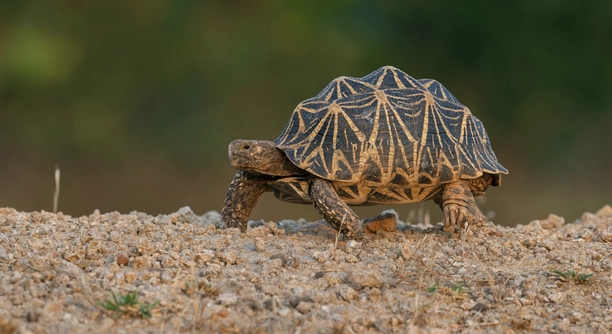
Is your Indian star tortoise acting differently or showing unusual behavior? Recognizing the early signs of health issues can help prevent serious problems and ensure your pet stays happy and healthy.
Lethargy, loss of appetite, swollen eyes, irregular shell growth, labored breathing, unusual feces, and excessive hiding are key indicators that your Indian star tortoise may need veterinary attention. Identifying these symptoms early can make a significant difference in their overall well-being.
Ignoring these signs can lead to severe health complications. Understanding what they mean will help you take the right steps to care for your tortoise and provide them with the attention they need.
Lethargy and Weakness
A healthy Indian star tortoise should be active and alert during its usual waking hours. If your tortoise is spending most of its time sitting still, refusing to move, or struggling to lift its body, this could indicate an underlying issue. Weakness and sluggish movements may be linked to dehydration, malnutrition, or even a more serious illness. If your tortoise also has trouble walking or seems uninterested in its surroundings, it is essential to monitor these changes closely. Lethargy can develop gradually, making it easy to overlook, but it should never be ignored.
Mild lethargy can sometimes be due to minor stress or temperature fluctuations. However, persistent weakness or inactivity is usually a sign that something is wrong. If you notice these changes lasting more than a day or two, consulting a vet is the best course of action.
Tortoises rely on external heat sources to regulate their body temperature, and an improper habitat setup can lead to inactivity. If your tortoise is not getting enough UVB light or the right temperatures, it may become sluggish. Illnesses such as respiratory infections and parasites can also cause weakness. A vet can run tests to determine if your tortoise has an infection, nutritional deficiency, or another condition requiring treatment.
Loss of Appetite
A healthy tortoise should eat regularly and show interest in food. If your Indian star tortoise refuses meals or eats significantly less than usual, this is a cause for concern. Appetite loss can indicate stress, illness, or improper habitat conditions.
Dehydration, respiratory infections, and parasites are common reasons why a tortoise may stop eating. Stress from environmental changes, such as a new enclosure or incorrect temperatures, can also impact their appetite. If their diet lacks variety or proper nutrients, they may become disinterested in food. A vet can determine whether medical intervention is needed and provide guidance on improving their diet. Ensuring proper lighting, humidity, and access to fresh greens can help prevent appetite loss. If your tortoise refuses to eat for more than a few days, seeking professional advice is the safest option.
Swollen or Cloudy Eyes
Swollen, cloudy, or sunken eyes are signs that something is wrong. Eye infections, vitamin A deficiency, or poor humidity levels can cause these issues. If left untreated, your tortoise may experience pain, difficulty seeing, and worsening health problems.
Eye infections often occur due to dirty enclosures, bacterial exposure, or injuries. If your tortoise has discharge, excessive blinking, or trouble opening its eyes, an infection could be the cause. Vitamin A deficiency can also lead to swollen eyelids, which may require dietary adjustments or supplements. Keeping the enclosure clean and ensuring proper humidity levels can help prevent these issues. A vet can prescribe antibiotic drops or other treatments if needed.
Some tortoises develop eye problems due to dry conditions or incorrect substrate. If the environment lacks proper moisture, their eyes may become irritated or sunken. Mist the enclosure regularly and provide a shallow water dish for soaking. If symptoms persist despite proper care, professional treatment is necessary.
Labored Breathing
If your tortoise is wheezing, gasping, or breathing with its mouth open, this could indicate a respiratory infection. These infections are often caused by incorrect temperatures, low humidity, or bacteria. Without treatment, breathing issues can worsen and affect your tortoise’s overall health.
Respiratory infections usually come with other symptoms, such as nasal discharge, lethargy, and loss of appetite. Tortoises need a warm and stable environment to maintain a healthy immune system. If temperatures drop too low, their body struggles to fight off infections. Proper humidity is also essential—dry conditions can irritate their airways and make breathing difficult. Adjusting the habitat setup can sometimes help, but severe cases require antibiotics from a vet.
A tortoise struggling to breathe may also show signs of open-mouth breathing or excessive stretching of the neck. If these behaviors persist, seek veterinary attention immediately. Catching a respiratory infection early can prevent complications and ensure your tortoise recovers quickly.
Irregular Shell Growth
An uneven, bumpy, or soft shell can indicate metabolic bone disease (MBD) or poor nutrition. Indian star tortoises need proper calcium, vitamin D3, and UVB exposure to maintain strong shells. Without these, their shells can become deformed, leading to long-term health problems.
Shell issues can also result from overfeeding or improper humidity levels. Too much protein can cause abnormal growth, while dry conditions can lead to pyramiding. Providing a balanced diet, correct humidity, and a proper lighting setup helps prevent these problems. A vet can assess shell deformities and recommend the right care.
Unusual Feces
Runny, discolored, or foul-smelling feces can signal digestive problems or parasites. Healthy tortoise droppings should be firm and well-formed. Sudden changes in diet, dehydration, or infections can cause irregular stools. A vet can perform tests to check for parasites or bacteria.
Excessive Hiding
Hiding more than usual may mean your tortoise is stressed, unwell, or uncomfortable with its environment. Improper temperatures, illness, or dehydration can cause this behavior. If your tortoise is constantly avoiding activity, checking their habitat and health condition is important.
FAQ
How can I tell if my Indian star tortoise is sick?
The most common signs of illness in an Indian star tortoise include lethargy, loss of appetite, labored breathing, eye issues, and abnormal shell growth. Pay attention to any changes in behavior, such as hiding excessively, or if your tortoise is not eating or moving as usual. Unusual feces, swelling, or cloudy eyes are also indicators that something may be wrong. If you notice these symptoms, it’s essential to consult a vet as soon as possible.
What should I feed my Indian star tortoise?
Indian star tortoises are herbivores, so their diet should mainly consist of leafy greens, grasses, and occasional vegetables. Offer them a variety of dark leafy greens like dandelion greens, collard greens, and kale. It’s important to avoid feeding them too much high-protein food, such as fruits or animal-based proteins, as this can lead to health issues like kidney problems or shell deformities. A high-fiber, calcium-rich diet is key to their well-being.
Why is my Indian star tortoise not eating?
Loss of appetite can be caused by a variety of factors, including stress, improper temperature, poor diet, or illness. Make sure your tortoise has access to the right lighting, heat, and humidity. If the habitat is too cold or dry, it can affect their appetite. If there’s no improvement after adjusting their environment, it may be time to check for underlying health problems like parasites or infections with a vet.
How can I prevent shell problems in my Indian star tortoise?
To prevent shell deformities, it’s crucial to provide proper nutrition and environmental conditions. Ensure your tortoise has adequate UVB light exposure for calcium absorption, and feed them a diet rich in calcium and vitamin D3. A proper balance of humidity and temperature is essential to avoid shell abnormalities like pyramiding or softening. If you’re unsure, a vet can offer guidance on maintaining a healthy shell for your tortoise.
What is the best temperature for an Indian star tortoise?
Indian star tortoises require a basking temperature of 90°F to 95°F (32°C to 35°C) and a cooler side of the enclosure around 75°F to 80°F (24°C to 27°C). At night, the temperature should not drop below 70°F (21°C). Proper heat is important for digestion and overall health. A basking spot with a UVB light source should be provided to ensure they can properly absorb calcium and other essential nutrients.
How can I tell if my Indian star tortoise is dehydrated?
Dehydration is a common issue in tortoises and can lead to serious health problems. Signs of dehydration include sunken eyes, dry or wrinkled skin, lethargy, and a lack of appetite. To prevent dehydration, ensure that your tortoise always has access to fresh water. You can also soak them in shallow water for 20 to 30 minutes a few times a week to encourage hydration.
Why is my tortoise hiding all the time?
Excessive hiding can indicate stress, discomfort, or illness. If your tortoise is hiding more than usual, check the temperature and humidity levels in its enclosure. Poor environmental conditions can cause your tortoise to retreat into its shell more often. Stress from handling, loud noises, or a change in its surroundings can also lead to hiding behavior. If hiding persists or is accompanied by other symptoms, it’s time to consult a vet.
What are the signs of a respiratory infection in my Indian star tortoise?
Respiratory infections in tortoises often present as wheezing, labored breathing, or nasal discharge. Your tortoise may also exhibit mouth-breathing or excessive sneezing. If you notice any of these signs, it’s crucial to address them right away. Respiratory infections are common in tortoises living in poorly ventilated or too-cold environments. A vet can prescribe antibiotics to treat the infection and help your tortoise recover.
Is it normal for my tortoise to sleep a lot?
While it’s normal for tortoises to have periods of rest, excessive sleep can be a sign of an underlying issue. If your Indian star tortoise is sleeping more than usual and shows no interest in food or water, it could be a symptom of illness. Factors like incorrect temperatures, improper diet, or even stress can cause lethargy. If these symptoms persist, consult a vet for a proper diagnosis.
What should I do if my Indian star tortoise’s shell is soft?
A soft shell can be a sign of metabolic bone disease (MBD), which occurs due to a calcium deficiency or improper UVB exposure. If you notice a soft shell, it’s important to improve their diet with calcium-rich foods and ensure they have access to proper lighting. A vet can perform tests to confirm the diagnosis and may recommend calcium supplements or adjustments to their habitat to correct the problem.
How do I care for my Indian star tortoise during winter?
During the colder months, it’s important to maintain a stable environment for your tortoise. Ensure that the enclosure temperature stays within the proper range and provide a heat source to avoid drastic temperature drops. If you live in a colder climate, you might need to use heat lamps or ceramic heaters. Avoid hibernation in unhealthy conditions, as it can be dangerous. Regularly check on your tortoise’s health and make sure it’s eating, drinking, and moving properly.
Can my Indian star tortoise live outside?
Yes, Indian star tortoises can live outside if the climate is warm and consistent. However, outdoor enclosures must be secure to prevent escapes or predation. The habitat should have plenty of hiding spots, a shallow water dish, and a controlled temperature. Make sure they can move between sunny and shaded areas. If the weather is too cold, they should be brought inside to prevent health risks. Always ensure they are in a safe, predator-free environment.
Final Thoughts
Taking care of an Indian star tortoise requires attention to detail, especially when it comes to their health and well-being. These tortoises can live long, happy lives if provided with the right environment and care. However, it’s essential to be aware of any changes in behavior, diet, or appearance, as they may indicate a health issue. Keeping an eye on signs like lethargy, loss of appetite, or unusual shell growth is important to catch any problems early. By understanding their needs and being proactive about their care, you can help prevent many common health issues.
The environment you create for your Indian star tortoise plays a significant role in its overall health. Proper lighting, temperature, and humidity levels are crucial for their well-being. A well-balanced diet, rich in fiber and calcium, helps keep their shells strong and their digestive system functioning properly. Regular soaking can also ensure they stay hydrated, preventing dehydration. Avoiding extremes in temperature and providing a stress-free habitat are just as important. By paying attention to these factors, you can create an ideal space for your tortoise to thrive.
If you ever notice signs of illness or changes in behavior that seem concerning, it’s best to consult a veterinarian who specializes in reptiles. Early detection of health problems can make a big difference in treatment and recovery. Whether it’s respiratory issues, shell problems, or any other concerns, seeking professional advice can ensure your tortoise gets the care it needs. With the right precautions, you can enjoy many years with your Indian star tortoise as a healthy and happy companion.

Hello,
If you enjoy the content that we create, please consider saying a "Thank You!" by leaving a tip.
Every little bit helps us continue crafting quality advice that supports the health, happiness, and well-being of pets around the world, for pets of all shapes, sizes, and species.
We really appreciate the kindness and support that you show us!