
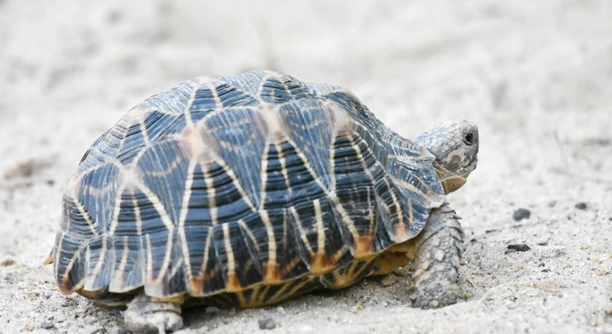
Taking care of your Indian Star Tortoise involves more than just feeding it. One essential part of its care is ensuring its shell stays shiny and healthy, as a vibrant shell reflects overall well-being.
To keep your Indian Star Tortoise’s shell shiny, regular cleaning, proper diet, and the right environmental conditions are key. Additionally, providing UVB light and maintaining humidity levels can help prevent dryness and promote a healthy, gleaming shell.
There are several easy ways to help maintain the shine of your tortoise’s shell. With the right steps, you can keep your pet looking its best.
Regular Cleaning for a Healthy Shell
Keeping your Indian Star Tortoise’s shell shiny starts with regular cleaning. You should wipe down its shell gently with a damp cloth every few days to remove dirt and grime. Over time, built-up debris can dull the shine and even lead to potential health issues. Avoid using any harsh chemicals as they can damage the shell’s natural oils. A mild soap can be used in rare cases, but it’s better to keep things simple. Also, after cleaning, make sure your tortoise is dry, as moisture can sometimes lead to shell rot.
The frequency of cleaning will depend on how active your tortoise is and the environment it lives in. If it’s outdoors or in a humid area, more frequent cleaning might be necessary.
Ensure that the cleaning process is gentle, especially when handling the delicate areas. A little effort will go a long way in keeping your tortoise’s shell looking great.
Proper Diet for a Shiny Shell
Diet plays a huge role in maintaining the appearance of your tortoise’s shell.
A balanced diet full of leafy greens, vegetables, and occasional fruits supports healthy growth. Feeding your tortoise foods rich in calcium, such as dandelion greens or collard greens, strengthens its shell. Vitamin D3 is another important factor for shell health. You can provide this by offering UVB light and specific supplements.
The right nutrients help in the formation of strong, shiny keratin on the shell. Without proper nutrition, your tortoise may experience shell deformities or dullness. When in doubt, consult with a vet to ensure your tortoise’s diet is well-rounded.
Providing the Right Environment
The environment your tortoise lives in is crucial to maintaining a shiny shell. Ensure it has enough space to roam, as a stressed tortoise can develop health issues, including shell problems. An area with proper humidity levels is key, as dryness can cause its shell to appear dull.
Humidity helps maintain the shell’s natural oils and prevents it from drying out. A humidity level between 50-60% works well for most tortoises. Keep the habitat clean and dry to prevent fungal infections or rot. Additionally, having a warm area with good ventilation ensures that your tortoise stays comfortable and its shell remains in great condition.
A proper environment also includes providing adequate hiding spots. These give your tortoise a sense of security and reduce stress, which can lead to a more vibrant shell.
The Importance of UVB Lighting
UVB light is essential for the health of your tortoise’s shell. It helps in the production of vitamin D3, which is vital for calcium absorption. Without UVB exposure, the tortoise can develop shell deformities and a weakened immune system.
Place a UVB bulb over the tortoise’s enclosure to mimic natural sunlight. The light should be kept on for 10-12 hours each day to maintain proper calcium levels. Be sure to replace the bulb regularly, as the UVB output decreases over time, even if the light still appears to be working.
UVB lighting is not only important for calcium absorption but also plays a role in boosting your tortoise’s overall health. Make sure your tortoise has access to natural sunlight when possible, especially if kept outdoors.
Avoiding Overexposure to Water
While water is essential for hydration, too much of it can cause damage to your tortoise’s shell. Avoid soaking your tortoise for long periods, as prolonged exposure to water can soften the shell and make it more vulnerable to injury.
A shallow dish of water for drinking and occasional soaking is all that’s needed. Ensure the water is changed regularly to keep it clean and free of bacteria. After any soaking session, make sure to dry your tortoise gently. Keeping the shell dry afterward helps prevent the growth of harmful fungi.
Shell Oils and Conditioning
To keep your tortoise’s shell healthy and shiny, occasional conditioning can be beneficial. Special oils made for tortoises can be applied gently to the shell to keep it moisturized.
Only use oils designed specifically for reptiles to avoid causing harm. Apply a small amount with a soft cloth, and gently rub it into the shell. This conditioning treatment helps prevent dryness and adds a healthy sheen to your tortoise’s shell. Do this sparingly to avoid over-saturating the shell.
FAQ
How often should I clean my tortoise’s shell?
Cleaning your tortoise’s shell once a week is usually enough, though more frequent cleaning may be necessary depending on its environment. If your tortoise spends a lot of time outdoors or in a dusty area, you may need to clean it more often. Be sure to wipe away any debris or dirt gently, as harsh scrubbing can damage the shell. Make sure the shell is fully dry after cleaning to avoid any buildup of moisture that could lead to problems like shell rot.
Can I use regular soap to clean my tortoise’s shell?
It’s best to avoid using regular soap as it can contain chemicals that may harm your tortoise. Instead, use a mild, reptile-safe soap or simply wipe the shell with a damp cloth. If you must use soap, ensure it is free from fragrances, dyes, and harsh chemicals. Always rinse the shell thoroughly to remove any soap residue. For most cleaning, water and a soft cloth should be sufficient.
Should I feed my tortoise any special foods to keep its shell shiny?
Yes, feeding your tortoise a balanced diet rich in calcium is key to a healthy shell. Offer leafy greens like collard greens, dandelion greens, and kale. These foods are high in calcium and vitamins that promote strong shell growth. It’s also important to provide a good variety of vegetables, and occasionally fruits, to keep your tortoise’s diet well-rounded. Avoid feeding your tortoise high-oxalate foods like spinach or rhubarb, as they can prevent calcium absorption. Consider adding a calcium supplement to their diet if advised by a vet.
Can my tortoise’s shell become dull if it’s not getting enough calcium?
Yes, a lack of calcium in your tortoise’s diet can cause its shell to appear dull or weak. Calcium is crucial for proper shell development and strength. Without it, your tortoise’s shell may become soft, deformed, or less shiny. Be sure to provide adequate calcium through a proper diet or supplement, and make sure your tortoise has access to UVB lighting to aid in calcium absorption.
Why is my tortoise’s shell becoming soft or deformed?
Soft or deformed shells are often signs of calcium deficiency or insufficient UVB exposure. Without adequate calcium, the shell can become weak and prone to deformities. UVB light helps the tortoise absorb calcium effectively. Make sure your tortoise has a balanced diet, proper UVB lighting, and adequate hydration. If the problem persists, consult a vet for guidance on supplementation or possible medical concerns.
Can I apply oil to my tortoise’s shell?
Yes, applying reptile-safe oil can help keep your tortoise’s shell shiny and moisturized. Oils designed for reptiles, such as coconut oil or specially formulated turtle and tortoise shell oils, can be applied in moderation. Use a small amount and rub it gently into the shell with a soft cloth. Be careful not to overdo it, as too much oil can leave the shell greasy or attract dirt.
Is it okay for my tortoise to soak in water?
Tortoises can soak in water, but it should be done in moderation. Short soaking sessions can help with hydration, especially if your tortoise is dehydrated, but it should not be overdone. Long periods of soaking can soften the shell and cause potential health issues. Ensure the water is shallow, and always dry your tortoise after a soak to prevent any moisture from lingering on its shell. Regular bathing can also help clean the shell.
How can I keep the humidity levels right for my tortoise?
Maintaining the right humidity is important for keeping your tortoise’s shell healthy. The ideal humidity level for most tortoises is around 50-60%. You can achieve this by misting the enclosure regularly or using a humidity monitor. Make sure the habitat is not too damp or too dry, as both extremes can lead to health problems. A humidity level that’s too high can promote fungal infections, while low humidity can cause the shell to become dry and cracked.
What temperature should I keep my tortoise’s habitat?
Tortoises require a warm environment to stay healthy. The temperature in the basking area should be between 90-100°F, while the cooler side of the habitat should be around 75°F. A gradient allows your tortoise to regulate its body temperature by moving between the warmer and cooler areas. At night, the temperature can drop slightly but should not go below 70°F. Consistent temperature is essential for your tortoise’s overall health, including the condition of its shell.
Why is my tortoise’s shell turning pale?
A pale shell can indicate a lack of proper nutrition, especially calcium and vitamin D3. If your tortoise isn’t getting enough of these nutrients, its shell may lose its natural color and luster. Additionally, inadequate UVB exposure can prevent your tortoise from absorbing calcium, leading to pale, soft shells. Ensure your tortoise has a balanced diet, access to UVB light, and proper supplementation as needed. If the problem persists, it’s a good idea to consult a vet for further guidance.
Taking care of your Indian Star Tortoise’s shell is an important part of its overall health. A shiny, strong shell is a sign that your tortoise is well-cared for, and it can reflect the quality of its diet, environment, and general well-being. Keeping your tortoise’s shell in good condition requires attention to detail and regular maintenance. By following the right cleaning practices, offering a balanced diet, and providing the proper living conditions, you can help your tortoise maintain a vibrant, healthy shell.
Regular cleaning and proper hydration are the first steps in caring for your tortoise’s shell. Avoid harsh chemicals or cleaning tools that can damage the shell’s natural protective layers. Instead, use a damp cloth or reptile-safe wipes to remove dirt and grime gently. It’s also important to avoid overexposure to water, as soaking for too long can soften the shell. In addition to keeping it clean, applying oils or conditioners occasionally can help maintain moisture and prevent the shell from drying out, especially in dry climates.
The environment your tortoise lives in is equally crucial. Maintaining appropriate humidity and temperature levels, providing adequate UVB lighting, and ensuring a stress-free habitat are essential for your tortoise’s health. Stress, improper nutrition, and a lack of UVB light can all contribute to shell problems like dullness or deformities. A balanced diet rich in calcium, vitamins, and minerals plays a large part in shell health. While the process of shell care may seem simple, it requires a combination of the right practices and ongoing attention to keep your tortoise healthy and its shell shiny for years to come.

Hello,
If you enjoy the content that we create, please consider saying a "Thank You!" by leaving a tip.
Every little bit helps us continue crafting quality advice that supports the health, happiness, and well-being of pets around the world, for pets of all shapes, sizes, and species.
We really appreciate the kindness and support that you show us!