
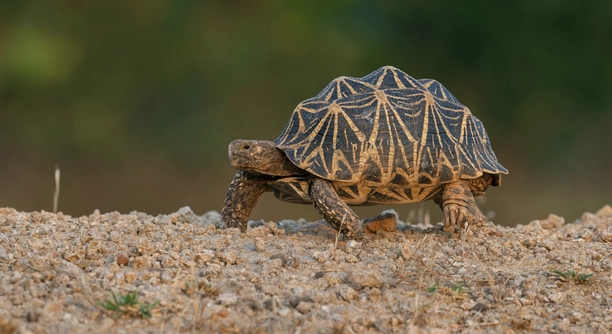
Is your Indian star tortoise showing signs of stress, such as hiding excessively or refusing food? Stress can negatively impact its health and well-being, making it essential to recognize and address potential stressors in its environment.
Common stressors for Indian star tortoises include improper temperatures, inadequate humidity, poor diet, loud noises, excessive handling, and unsuitable living conditions. These factors can lead to anxiety, weakened immunity, and behavioral changes, affecting their overall quality of life and longevity.
Understanding these stressors will help you create a comfortable environment that supports your tortoise’s health. Small adjustments can make a significant difference in reducing stress and ensuring its long-term well-being.
Improper Temperatures
Indian star tortoises require specific temperature ranges to stay healthy. If temperatures are too low, they may become lethargic and stop eating. If temperatures are too high, they may overheat and become dehydrated. A stable temperature gradient is essential for their well-being. Ensure the basking area remains around 90°F, while the cooler side stays near 75°F. Nighttime temperatures should not drop below 70°F. A heat lamp and under-tank heater can help maintain appropriate levels. Sudden temperature fluctuations can cause stress, leading to respiratory infections and weakened immunity. Consistently monitoring their enclosure with a reliable thermometer is crucial.
A stable environment prevents unnecessary stress and supports proper digestion and activity levels. Adjusting heat sources according to seasonal changes can help keep them comfortable throughout the year.
Providing a warm basking spot and a cooler retreat allows them to self-regulate their body temperature. This balance is key to keeping them stress-free and active.
Inadequate Humidity
Indian star tortoises thrive in environments with moderate humidity. If the humidity is too low, they may develop dehydration or shell pyramiding. If it is too high, they may experience respiratory issues or fungal infections. Keeping humidity levels between 50% and 70% is ideal.
To maintain proper humidity, use a substrate that retains moisture, such as coconut coir or cypress mulch. Misting the enclosure daily and providing a shallow water dish can help. However, standing water should be avoided, as it may increase bacteria growth. A hygrometer is useful for monitoring levels accurately. Enclosures kept indoors may require additional measures, such as using a humidifier or placing damp moss in hides. These steps help replicate their natural environment, reducing stress and promoting overall well-being.
Poor Diet
A poor diet can lead to stress and health problems. Indian star tortoises need a variety of leafy greens, vegetables, and occasional fruits. Feeding them an imbalanced diet, such as too much protein or low-fiber foods, can result in digestive issues and long-term health complications.
A high-fiber diet with calcium-rich foods is essential. Dark leafy greens like dandelion, collard, and mustard greens should be the main part of their meals. Avoid excessive fruit, as it can cause digestive upset. Commercial tortoise food can be used occasionally but should not replace fresh food. Supplements like calcium powder with vitamin D3 help prevent deficiencies. Hydration is also important, so always provide fresh water.
Overfeeding or offering inappropriate foods, like animal protein or processed items, can cause metabolic disorders. Observing their eating habits and adjusting their diet accordingly ensures they remain stress-free and in good health.
Loud Noises
Loud noises can be overwhelming for Indian star tortoises. Sudden sounds from televisions, barking dogs, or household activity may cause them to retreat into their shells and refuse to eat. A quiet, calm environment helps reduce stress and keeps them comfortable in their habitat.
Placing their enclosure in a low-traffic area away from loud appliances and frequent disturbances is important. If noise cannot be avoided, providing plenty of hiding spots can help them feel secure. Covering part of the enclosure with a towel or moving them to a quieter space during loud events may also help. A predictable environment with minimal noise fluctuations allows them to feel at ease and reduces unnecessary stress.
Excessive Handling
Handling Indian star tortoises too often can cause stress. They prefer minimal interaction and may feel threatened when picked up frequently. If they retreat into their shells or show signs of distress, it is best to limit handling and let them feel secure in their environment.
Handling should only be done when necessary, such as during health checks or enclosure cleaning. When picking them up, support their entire body to avoid making them feel unstable. Letting them explore on their own terms helps build trust and ensures they remain comfortable in their surroundings.
Unsuitable Living Conditions
An enclosure that is too small or lacks proper enrichment can lead to stress. Indian star tortoises need ample space to move around, bask, and burrow. A well-maintained habitat with natural hiding spots, varied terrain, and appropriate lighting promotes their overall well-being and reduces stress.
Inconsistent Routine
Sudden changes in feeding schedules, lighting, or environment can stress Indian star tortoises. Maintaining a consistent routine helps them feel secure and minimizes anxiety. Keeping daily care predictable ensures they remain comfortable and adapt easily to their surroundings.
FAQ
What are the signs of stress in an Indian star tortoise?
Signs of stress in an Indian star tortoise include hiding more than usual, refusing food, and moving less frequently. They may also become more defensive or aggressive when handled. If you notice these behaviors, check their environment for potential stressors like temperature changes, poor diet, or loud noises.
How often should I feed my Indian star tortoise?
Indian star tortoises should be fed every day or every other day. Their diet should consist mainly of leafy greens like dandelion, collard, and mustard greens. Occasionally, you can offer small amounts of fruits and flowers. Ensure they have access to fresh water at all times.
Can Indian star tortoises live outside?
Yes, Indian star tortoises can live outside, but only in areas with warm climates. Their enclosure should have both shaded areas and a basking spot with proper temperature control. Ensure the enclosure is secure to prevent them from escaping and to protect them from predators.
What type of substrate is best for my tortoise’s enclosure?
A good substrate for Indian star tortoises includes coconut coir, cypress mulch, or a mix of soil and sand. These materials help retain moisture, which is important for maintaining the right humidity. Avoid using sand alone, as it can dry out too quickly.
How can I keep my Indian star tortoise’s habitat humidity stable?
To maintain the right humidity level, mist the enclosure daily and use a hygrometer to monitor moisture levels. You can also use a humidifier or place damp moss in certain areas. Keeping a shallow water dish in the enclosure will help, but be sure to clean it regularly.
What temperature should my tortoise’s enclosure be?
The basking spot should be around 90°F, while the cooler side of the enclosure should stay around 75°F. Nighttime temperatures should not drop below 70°F. You can achieve this by using a heat lamp for the basking area and an under-tank heater for the cooler side.
How do I handle my Indian star tortoise safely?
When handling your tortoise, support its entire body to avoid causing stress. Hold it gently but securely, making sure not to squeeze or lift it by the legs. Allow your tortoise to explore on its own terms, and avoid excessive handling to prevent unnecessary stress.
Can I keep more than one Indian star tortoise together?
It is possible to keep multiple Indian star tortoises together, but you must ensure enough space and resources for each individual. Males, in particular, may become territorial. Watch for any signs of aggression or stress, and be prepared to separate them if necessary.
What is the lifespan of an Indian star tortoise?
Indian star tortoises can live up to 50 years or more in captivity with proper care. Providing a stable environment, balanced diet, and regular health checks will help ensure they live a long and healthy life.
Why is my Indian star tortoise not eating?
If your tortoise is not eating, it could be due to stress, incorrect temperatures, poor diet, or illness. Check for any environmental issues and ensure the temperature and humidity are within the correct ranges. If the problem persists, consult a vet.
Is it okay to bathe my Indian star tortoise?
Yes, you can bathe your Indian star tortoise. Bathing helps them stay hydrated and can aid in digestion. Use lukewarm water and ensure it is shallow enough that the tortoise can easily stand. Avoid using soap, as it can irritate their skin.
What should I do if my tortoise’s shell is damaged?
If your tortoise’s shell is damaged, take it to a veterinarian experienced with reptiles. Shell injuries can lead to infections, so it’s essential to get medical help as soon as possible. Keeping the tortoise in a clean, dry environment will aid in the healing process.
Do Indian star tortoises need UVB lighting?
Yes, UVB lighting is crucial for Indian star tortoises. It helps them produce vitamin D3, which is necessary for calcium absorption and shell health. Provide a UVB bulb designed for reptiles, and replace it regularly to ensure it’s effective.
How do I know if my Indian star tortoise is healthy?
Healthy tortoises are active, have clear eyes, and show interest in food. Their shells should be smooth and free of cracks or deformities. Regular health checks, including monitoring their weight, diet, and activity levels, will help you catch any potential issues early.
What kind of plants can I give my Indian star tortoise to eat?
Indian star tortoises can eat a variety of safe, non-toxic plants, including dandelion, clover, and hibiscus. Avoid offering plants from your garden unless you are sure they are pesticide-free and safe for tortoises. Always wash the plants thoroughly before feeding them.
What should I do if my tortoise is constantly hiding?
Constant hiding can be a sign of stress or illness. Check for any environmental factors, such as extreme temperatures or changes in diet, that might be causing discomfort. If the hiding persists, consider taking your tortoise to a vet for a check-up.
Can Indian star tortoises swim?
Indian star tortoises are not strong swimmers and should not be placed in deep water. They may enjoy shallow water for soaking, but always supervise them when they are in water to ensure they don’t get overwhelmed or stressed.
How do I clean my tortoise’s enclosure?
Cleaning the enclosure is essential for maintaining a healthy environment. Remove any uneaten food, waste, and old substrate daily. Clean the entire enclosure with mild soap and warm water once a week. Be sure to dry it completely before adding fresh substrate.
Final Thoughts
Indian star tortoises are fascinating creatures, but they require a specific environment to thrive. They can become stressed easily if their needs are not met, so it’s important to pay close attention to their habitat, diet, and overall well-being. Small changes in their surroundings or routine can have a big impact on their health. Keeping their enclosure spacious, comfortable, and clean is one of the most effective ways to prevent stress and promote a healthy life.
Understanding the common stressors and how to avoid them is key to maintaining a happy tortoise. Overhandling, improper temperature or humidity, and poor diet are some of the main factors that can cause distress. By keeping a consistent routine and offering a varied diet that includes fresh greens and occasional fruits, you can provide the best care for your tortoise. Regularly checking their behavior and looking out for signs of stress can also help catch potential issues before they become serious.
Ultimately, caring for an Indian star tortoise is about creating a stable and supportive environment. While they may require more attention than other pets, the reward is a long-lasting companion that can live for decades. By following the right steps, you can ensure that your tortoise stays healthy, happy, and stress-free for many years to come.

Hello,
If you enjoy the content that we create, please consider saying a "Thank You!" by leaving a tip.
Every little bit helps us continue crafting quality advice that supports the health, happiness, and well-being of pets around the world, for pets of all shapes, sizes, and species.
We really appreciate the kindness and support that you show us!