
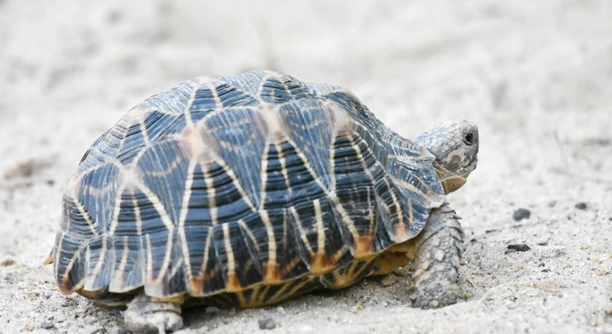
Creating the ideal UVB light cycle for your Indian Star Tortoise is essential to ensure their health and well-being. Proper light exposure mimics natural conditions, supporting vital processes such as calcium absorption and shell development.
The best practices for setting up a UVB light cycle include ensuring the UVB light is placed at an appropriate distance from the tortoise’s basking area, maintaining a consistent 12-hour light and 12-hour dark cycle, and regularly replacing bulbs for optimal UVB output.
Properly managing the UVB cycle is key to your tortoise’s growth and vitality. Keep reading to learn the steps needed to create the best light environment for your pet.
Setting the Right Distance Between UVB Bulb and Tortoise
The distance between the UVB light and your Indian Star Tortoise is crucial for effective light exposure. UVB light is essential for calcium synthesis, which is vital for healthy shell and bone development. If the bulb is placed too far away, your tortoise may not receive enough UVB rays to stay healthy. On the other hand, placing the light too close can cause stress or injury.
It’s important to follow the manufacturer’s recommendations on distance. Most UVB bulbs require a distance of about 10 to 12 inches from the tortoise’s basking spot. This ensures that your tortoise is getting the right amount of UVB light without the risk of overexposure.
Ensure that the light is also placed at an angle to mimic natural sunlight. You can also use a UVB meter to monitor the light intensity at different distances, which helps maintain the proper conditions.
Maintaining a Consistent Light and Dark Cycle
Maintaining a consistent 12-hour light and dark cycle is essential for the well-being of your tortoise. This cycle helps regulate their internal clock and supports overall health.
Establishing this routine is simple. You can use a timer to automatically switch the light on and off. Consistency ensures your tortoise feels safe and gets the exposure they need for vitamin D production. It also mimics the natural light pattern in the wild, which helps in regulating their sleep and feeding habits.
Replacing UVB Bulbs Regularly
UVB bulbs lose their effectiveness over time, even if they still appear to be working. It’s important to replace them every 6 to 12 months, depending on the type of bulb. This ensures that your tortoise is getting consistent and adequate UVB exposure.
Some UVB bulbs, especially fluorescent types, can degrade in strength before they burn out completely. Over time, the UVB output reduces, which may not be noticeable to you but can affect your tortoise’s health. Regularly replacing bulbs according to the manufacturer’s guidelines will keep their light cycle consistent and effective, providing the UVB they need to thrive.
Using a UVB meter is a great way to track the intensity of your bulb’s output. If you notice any significant drop in UVB readings, it’s time for a replacement. Keeping track of the bulb’s age and intensity level ensures you provide the best lighting environment.
Using the Right Type of UVB Bulb
Choosing the right UVB bulb for your tortoise is essential. The two main types are fluorescent and mercury vapor bulbs. Fluorescent bulbs are commonly used for reptiles and are generally less expensive, but they need to be placed closer to your tortoise’s basking area.
Mercury vapor bulbs offer both heat and UVB, making them a more efficient option for larger enclosures. These bulbs are more expensive but may last longer and provide better coverage for your tortoise’s UVB needs. Be sure to select the appropriate type for your setup and tortoise’s size.
When installing either type of bulb, it’s important to ensure that it is positioned correctly. If your bulb provides both light and heat, placing it too close may create a hotspot. Keep the bulb at a safe distance, and adjust according to your tortoise’s behavior to make sure it stays comfortable.
Placement of UVB Lights
The proper placement of your UVB light can make a significant difference in your tortoise’s health. It should be placed directly above the basking spot, allowing your tortoise to absorb the maximum amount of UVB rays.
Make sure the light reaches the basking area evenly. The UVB light should cover enough space for your tortoise to move in and out of the rays, mimicking natural sunlight. Adjust the height and angle of the bulb to create a consistent and balanced exposure. Too much or too little UVB can cause health issues.
Basking Area Temperature
A proper temperature gradient is essential for your Indian Star Tortoise’s health. The basking spot should be warmer than the rest of the enclosure. It allows your tortoise to regulate its body temperature by moving between warm and cooler areas.
The ideal temperature for the basking spot is around 95°F to 100°F, while the cooler end should be around 75°F to 80°F. These temperature differences are crucial for digestion and overall well-being. Use a reliable thermometer to monitor the enclosure’s temperatures and ensure they remain stable throughout the day.
Monitoring UVB Output
To ensure your tortoise is getting enough UVB exposure, regularly monitor the output with a UVB meter. This device helps you assess the strength of your UVB light and adjust accordingly.
UVB meters can be purchased online or at pet stores. They measure the actual UVB radiation that your tortoise is receiving, providing accurate data on whether your lighting setup is adequate. Adjust the distance of the bulb or switch to a new one if needed, based on the readings.
FAQ
How long should UVB lights be on each day for my Indian Star Tortoise?
The UVB light cycle should be around 12 hours on and 12 hours off to mimic natural daylight. This consistent cycle supports your tortoise’s circadian rhythm and helps them regulate essential processes like calcium absorption. Using a timer can make this easy to manage.
Can I use a regular bulb instead of a UVB bulb for my tortoise?
No, a regular bulb does not provide the necessary UVB rays for your tortoise’s health. UVB bulbs are specifically designed to emit the right type of radiation needed for vitamin D production. Without UVB light, your tortoise could develop metabolic bone disease and other health issues.
How far should the UVB bulb be from my tortoise?
The UVB bulb should be placed around 10 to 12 inches away from the basking spot. The exact distance depends on the type of bulb you’re using, so always check the manufacturer’s instructions. If the light is too close, it can cause overheating, and if it’s too far, your tortoise may not receive enough UVB exposure.
Do I need a special UVB bulb for my tortoise’s enclosure?
Yes, using a special UVB bulb is crucial for your tortoise’s health. Regular household bulbs don’t provide the necessary UV radiation. There are different types of UVB bulbs, including fluorescent and mercury vapor, both of which are suitable for tortoises depending on the size of the enclosure and tortoise. Mercury vapor bulbs also provide heat, while fluorescent bulbs require additional heat sources.
How often should I replace the UVB bulbs?
UVB bulbs should be replaced every 6 to 12 months, depending on the type and usage. Even if the light still looks bright, the UVB output diminishes over time. Keeping track of when you installed a new bulb and replacing it on schedule will ensure your tortoise continues receiving the necessary light.
Can my tortoise get enough UVB light through glass or plastic?
No, UVB light does not penetrate glass or plastic. If the UVB light is being blocked by the walls of your enclosure, your tortoise won’t be able to get the necessary exposure. It’s important to ensure that the light reaches your tortoise directly, so avoid placing the UVB bulb too far behind barriers.
What happens if my tortoise doesn’t get enough UVB light?
Without proper UVB exposure, your tortoise cannot produce enough vitamin D3, which is necessary for calcium absorption. This can lead to metabolic bone disease, softening of the shell, and other health problems. It’s essential to maintain the right lighting setup to avoid these issues.
Can I use a UVB bulb in an outdoor enclosure?
Yes, if your tortoise is housed in an outdoor enclosure, UVB bulbs can still be useful, especially in areas with limited natural sunlight. UVB bulbs are important when there is insufficient sunlight or during colder months when your tortoise is indoors. Ensure the outdoor setup allows for proper light and temperature regulation.
What’s the best temperature for the basking area?
The basking spot should be kept between 95°F and 100°F. This temperature range mimics the warmth your tortoise would experience in the wild. You can use a heat bulb in combination with the UVB bulb to maintain the necessary warmth in the basking area.
Do UVB lights affect my tortoise’s sleep cycle?
Yes, UVB lights are part of the natural light cycle, which helps regulate your tortoise’s sleep patterns. A consistent 12-hour light and dark cycle supports their circadian rhythm, ensuring they get the right amount of rest and activity. Avoid sudden changes in the light cycle, as it could cause stress.
What kind of UVB bulbs should I use for an Indian Star Tortoise?
For an Indian Star Tortoise, it’s best to use a UVB bulb that provides a UVB rating of 5.0 or higher. Fluorescent bulbs are a popular choice for smaller enclosures, while mercury vapor bulbs work well for larger enclosures. Make sure the bulb you choose is suitable for the size of your enclosure and the tortoise’s needs.
Can I use a UVB light with a regular heat source?
Yes, you can. UVB bulbs and heat lamps serve different purposes, so it’s essential to use both in your tortoise’s setup. UVB bulbs provide the necessary light for vitamin D production, while heat lamps regulate the basking temperature. Together, they create an environment that supports your tortoise’s health and natural behavior.
What is the difference between UVB and UVA light for my tortoise?
UVB light helps your tortoise produce vitamin D3, which is crucial for calcium absorption and bone health. UVA light, on the other hand, plays a role in stimulating activity and appetite in reptiles. Both UVB and UVA are necessary for your tortoise’s overall well-being, but UVB is more important for its health.
How do I know if my tortoise is getting enough UVB light?
Signs that your tortoise might not be getting enough UVB light include a soft shell, difficulty moving, lack of appetite, or abnormal behavior. If you notice any of these signs, check your lighting setup and adjust it accordingly. Regularly monitoring your tortoise’s health and making necessary adjustments to their UVB exposure is key to preventing health issues.
Final Thoughts
Setting up a proper UVB light cycle for your Indian Star Tortoise is essential for its health and well-being. UVB light helps your tortoise absorb calcium, which is necessary for strong bones and a healthy shell. Without the right lighting, your tortoise can develop serious health issues, including metabolic bone disease. Understanding how to properly set up and maintain the UVB light in your tortoise’s enclosure is one of the most important steps in creating a safe and comfortable environment for it.
It’s important to regularly check and replace your UVB bulbs. Over time, these bulbs lose their ability to emit UVB radiation, even if they still appear to be working. This means your tortoise might not be getting the full benefits of the light. Keeping track of when you last changed the bulb will help ensure your tortoise is always getting the right amount of UVB exposure. Also, remember to keep the bulb at the correct distance from your tortoise’s basking spot to avoid underexposure or overheating.
Finally, setting up the right UVB light cycle and temperature range for your tortoise will help create a more natural living environment. A balanced light cycle and proper heat will support your tortoise’s circadian rhythm and overall health. UVB exposure isn’t just about lighting; it’s also about consistency. A predictable light schedule will help your tortoise feel more comfortable, reducing stress and improving its quality of life. By following these tips and making sure you stay on top of your UVB lighting system, you can help ensure your tortoise lives a long, healthy life.

Hello,
If you enjoy the content that we create, please consider saying a "Thank You!" by leaving a tip.
Every little bit helps us continue crafting quality advice that supports the health, happiness, and well-being of pets around the world, for pets of all shapes, sizes, and species.
We really appreciate the kindness and support that you show us!