
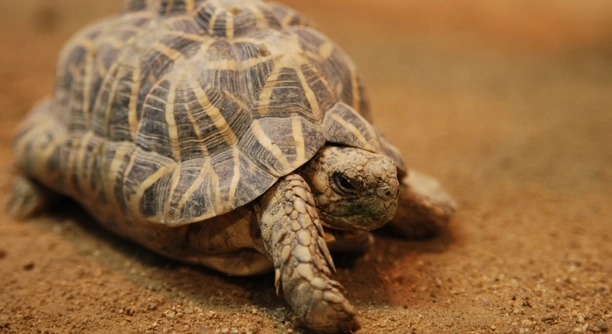
Is your Indian star tortoise getting everything it needs for a healthy and comfortable habitat? Proper tank supplies are essential for maintaining the right environment. From heating elements to hiding spots, every detail plays a role in your tortoise’s well-being.
The most essential tank supplies for Indian star tortoises include a spacious enclosure, proper substrate, UVB lighting, a heat source, a humidity gauge, water and food dishes, and hiding spots. These items help replicate their natural habitat and support their overall health.
Creating the perfect habitat for your tortoise requires careful planning. Each supply contributes to their comfort, making a significant difference in their daily life.
Choosing the Right Enclosure
A spacious enclosure is necessary for your Indian star tortoise to move comfortably and explore its surroundings. A tortoise table or a large indoor enclosure with proper ventilation works well. Outdoor enclosures are ideal if your climate is warm and humid, mimicking their natural habitat. The enclosure should have high walls to prevent escapes and provide enough room for natural behaviors like burrowing and roaming. A minimum size of 4 feet by 2 feet is recommended for one tortoise, but bigger is always better. Avoid glass enclosures, as they can cause stress due to reflections and limited airflow.
The enclosure’s placement matters. Keep it in a quiet area away from loud noises and excessive foot traffic. Stable temperatures and humidity levels are key to preventing stress and illness.
Once you have the right enclosure, focus on adding essential elements like a proper substrate and temperature regulation to create a balanced environment.
Selecting the Best Substrate
The right substrate helps maintain humidity and allows natural burrowing behavior. Choose a mixture of organic topsoil and coconut coir for optimal moisture retention and comfort. Avoid substrates like sand or gravel, which can cause impaction if ingested.
A well-chosen substrate supports your tortoise’s health by maintaining appropriate moisture levels. Indian star tortoises require a humidity level of around 60%, and the right substrate helps regulate this. Coconut coir and organic soil hold moisture without becoming overly damp, preventing shell problems and respiratory issues. Cypress mulch can also be used, as it retains humidity while offering a soft surface. Regularly misting the substrate helps maintain proper humidity levels.
Cleaning and replacing the substrate is important to prevent bacterial buildup. Spot-clean daily by removing waste, and replace the substrate every few weeks to keep the environment fresh. A clean, well-maintained substrate ensures your tortoise stays comfortable and healthy.
Providing Proper Heating and Lighting
A consistent heat source is necessary to maintain your tortoise’s health. Use a basking lamp to create a warm area between 90–95°F while keeping the cooler side around 75°F. A ceramic heat emitter can help maintain nighttime temperatures without disrupting sleep.
UVB lighting is essential for calcium absorption and shell health. Without it, your tortoise may develop metabolic bone disease. Use a high-quality UVB bulb that covers at least 10% UVB output. Position the bulb within 12 inches of the basking area for maximum effectiveness. Replace the bulb every six months, as UVB strength diminishes over time.
A temperature gradient allows your tortoise to regulate its body heat. Place thermometers in different areas to monitor accuracy. If temperatures drop too low, your tortoise could become inactive, affecting digestion and immune function. Proper heating and lighting create a stable environment for long-term well-being.
Maintaining Humidity and Hydration
Indian star tortoises need consistent humidity to prevent dehydration and shell issues. The humidity level should stay around 60%, which can be achieved by misting the enclosure daily and using a substrate that holds moisture. A humidity gauge helps track levels, ensuring the environment stays within a healthy range.
Providing a shallow water dish is necessary for hydration. The dish should be large enough for soaking but shallow enough to prevent accidental drowning. Change the water daily to keep it clean. Regular soaking, about two to three times a week, helps with hydration and aids in shedding. Soaking also encourages natural behaviors, promoting overall health.
Setting Up Hiding Spots
Hiding spots provide security and reduce stress. Place at least two hides in different areas of the enclosure—one on the warmer side and one on the cooler side. Use overturned clay pots, wooden boxes, or store-bought reptile hides for a natural and comfortable shelter.
A well-placed hide helps regulate body temperature by allowing your tortoise to retreat from excessive heat or cold. It also encourages natural behaviors like burrowing and resting. Choose materials that are easy to clean and do not retain too much moisture to prevent mold and bacterial growth.
Choosing the Right Food and Water Dishes
A sturdy, shallow dish is ideal for serving food. It should be large enough to hold fresh greens but low enough for easy access. Smooth, non-porous materials like ceramic or plastic are best, as they are easy to clean and prevent bacteria buildup.
Keeping the Enclosure Clean
Spot-clean the enclosure daily by removing waste and uneaten food. A full cleaning should be done every few weeks, replacing the substrate and disinfecting all surfaces. Regular maintenance helps prevent bacteria buildup, ensuring a safe and comfortable habitat for your tortoise.
FAQ
How often should I clean my Indian star tortoise’s enclosure?
Spot-clean the enclosure daily by removing waste and uneaten food. This prevents bacteria buildup and keeps the habitat fresh. A full cleaning should be done every two to four weeks. Replace the substrate, disinfect all surfaces, and ensure the enclosure is completely dry before adding fresh bedding.
What type of substrate is best for an Indian star tortoise?
A mixture of topsoil and coconut coir is ideal. This combination retains moisture well, helping to maintain humidity levels while allowing natural burrowing. Avoid using sand, as it can cause impaction if ingested. Aspen shavings and reptile carpets are also unsuitable, as they do not hold humidity effectively.
Do Indian star tortoises need a water bowl?
Yes, a shallow water dish should always be available. It should be large enough for the tortoise to soak in but shallow enough to prevent drowning. Change the water daily to keep it clean. Regular soaking helps with hydration, shedding, and digestion, keeping your tortoise healthy.
How much UVB light does an Indian star tortoise need?
Indian star tortoises require 10–12 hours of UVB exposure daily. A UVB bulb with at least 10% output should be placed within 12 inches of the basking area. Replace the bulb every six months, as UVB strength decreases over time, even if the light is still functioning.
What is the ideal diet for an Indian star tortoise?
A high-fiber, low-protein diet is best. Feed a variety of leafy greens such as dandelion, collard, and mustard greens. Occasional vegetables like squash and carrots can be added. Avoid fruits, as they can cause digestive issues. Calcium supplements should be provided to support shell health.
How can I maintain proper humidity in the enclosure?
Maintain humidity levels around 60% by misting the enclosure daily and using a moisture-retaining substrate. A humidity gauge helps monitor levels accurately. Placing a shallow water dish in the habitat also adds moisture to the air, preventing dehydration and shell problems.
What temperature should the enclosure be?
The basking area should be around 90–95°F, while the cooler side should stay near 75°F. At night, temperatures should not drop below 70°F. Use a basking lamp and a ceramic heat emitter to maintain proper warmth. A temperature gradient allows the tortoise to regulate its body heat.
How big should the enclosure be?
An adult Indian star tortoise needs a minimum enclosure size of 4 feet by 2 feet. Larger spaces are always better, as tortoises are active and need room to explore. Outdoor enclosures are beneficial in warm climates, but they must be secure to protect against predators.
Can Indian star tortoises be housed together?
It is not recommended to house multiple Indian star tortoises together, especially males. They can become territorial and aggressive. If housing more than one, provide plenty of space, multiple hiding spots, and separate feeding areas to minimize stress and competition.
How long do Indian star tortoises live?
With proper care, an Indian star tortoise can live 30 to 50 years or more. A well-maintained habitat, balanced diet, and regular vet checkups contribute to a long and healthy life. Owners should be prepared for a long-term commitment when caring for these tortoises.
Final Thoughts
Caring for an Indian star tortoise requires careful attention to its habitat, diet, and daily needs. Providing a spacious enclosure with the right temperature, humidity, and lighting is essential for its well-being. A proper diet rich in leafy greens and supplemented with calcium ensures strong shell growth and overall health. Regular cleaning of the enclosure prevents bacteria buildup, keeping your tortoise’s environment safe and comfortable. Since these tortoises can live for several decades, they require a long-term commitment and consistent care to thrive. Understanding their needs will help you create a healthy and enriching habitat for your pet.
Routine maintenance and monitoring play a crucial role in keeping an Indian star tortoise healthy. Checking temperature levels, ensuring proper humidity, and replacing UVB bulbs on time all contribute to their well-being. Daily observation allows you to notice any signs of illness early, such as changes in appetite, lethargy, or abnormal shell growth. Regular vet visits can help prevent common health issues and provide guidance on any necessary adjustments to their care routine. Avoiding stressors, such as overcrowding or excessive handling, also helps maintain a calm and comfortable environment. Paying close attention to these details ensures your tortoise remains healthy and active for years to come.
Owning an Indian star tortoise is a rewarding experience that requires patience and dedication. These tortoises have unique behaviors and specific needs that must be met to support their long lifespan. By providing a well-maintained habitat, a nutritious diet, and proper care, you can ensure your tortoise lives a happy and healthy life. Taking the time to learn about their natural behaviors and preferences helps you create an environment that closely resembles their native habitat. With the right approach, caring for an Indian star tortoise can be a fulfilling and enjoyable responsibility for any committed owner.

Hello,
If you enjoy the content that we create, please consider saying a "Thank You!" by leaving a tip.
Every little bit helps us continue crafting quality advice that supports the health, happiness, and well-being of pets around the world, for pets of all shapes, sizes, and species.
We really appreciate the kindness and support that you show us!