
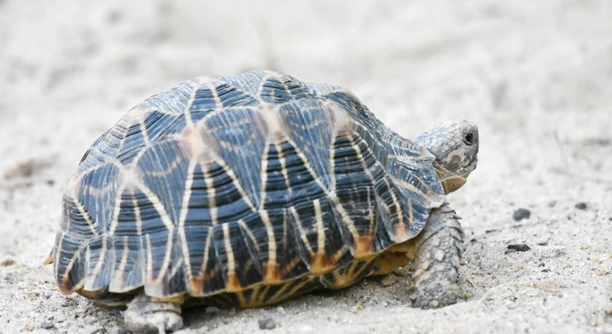
Caring for Indian Star Tortoise eggs requires attention to detail and a careful approach. This delicate task ensures healthy hatching and the well-being of these unique reptiles. Understanding proper egg care can make a difference in their survival rate.
Proper care for Indian Star Tortoise eggs involves creating the right environment for incubation, maintaining proper humidity and temperature levels, and ensuring the eggs are undisturbed. Providing an optimal setting will increase the chances of successful hatching.
Learning the essential techniques for egg incubation is key to nurturing your tortoise’s future. The following tips will guide you through the process, ensuring a positive outcome for both you and your tortoise.
Proper Incubation Temperature for Indian Star Tortoise Eggs
Maintaining the correct temperature is crucial for successful egg incubation. The ideal temperature range for Indian Star Tortoise eggs is between 84°F to 88°F (29°C to 31°C). If the temperature fluctuates outside this range, it could affect the development of the embryos or cause them to fail. Too high a temperature may lead to deformities, while too low can slow the hatching process or prevent it altogether. A stable temperature is essential for a successful hatch.
While temperature is important, humidity plays a key role in ensuring the eggs develop correctly. Keeping the humidity between 75% and 85% will help avoid dehydration of the eggs, which can lead to developmental issues.
To maintain the right conditions, use an incubator that allows precise control of both temperature and humidity. You may also need to monitor these levels regularly using a thermometer and hygrometer. Proper equipment will provide the best chances for hatching healthy tortoises.
Humidity Levels for Indian Star Tortoise Eggs
Humidity levels should be kept between 75% and 85% to encourage healthy development. Regular monitoring will help you maintain the right balance.
If humidity levels are too low, the eggs may dry out, which could result in deformities or prevent hatching. Conversely, excessive humidity can cause mold growth and compromise the eggs. Use a substrate like vermiculite to retain moisture, but be careful not to let it get too wet.
If you’re incubating multiple eggs, be mindful of their individual needs. Some may require slightly different humidity levels based on their stage of development. This is why a reliable, adjustable incubator is crucial for managing the conditions effectively.
Egg Positioning for Indian Star Tortoise Eggs
The position of the eggs during incubation can significantly impact their development. The eggs should be placed on their side, ensuring they remain stable and undisturbed throughout the incubation period. Do not place the eggs on their pointed ends, as this can lead to improper development.
Carefully check the eggs before setting them down. Any cracks or signs of damage should be avoided, as they can lead to contamination or the egg’s inability to hatch. If the eggs are intact, placing them in a shallow dish with a damp substrate like vermiculite will help them maintain the proper temperature and humidity.
Do not rotate the eggs once they are in place, as this can cause harm. The embryos need time to settle in the correct position, and disturbing them can interfere with the process. Keeping the eggs undisturbed will ensure the highest chance of successful hatching.
Incubation Duration for Indian Star Tortoise Eggs
Indian Star Tortoise eggs typically take between 60 to 120 days to hatch, depending on the temperature and humidity levels. Eggs incubated at higher temperatures tend to hatch sooner, while lower temperatures may result in a longer incubation period.
It’s important to monitor the eggs closely but avoid disturbing them too much. Checking the temperature and humidity daily is sufficient. Constant handling or moving of the eggs can stress them and affect their development. Keep track of the time, but remember that the hatching process can vary from one egg to another.
Patience is key during this period. Some eggs may hatch earlier, while others may take longer. The tortoises inside are growing, and once the eggs begin to show signs of cracking or the hatchlings start moving inside, you’ll know they are almost ready to break out.
Monitoring the Eggs During Incubation
During incubation, regularly monitor both temperature and humidity. A slight variation can impact the development process. It’s best to check these levels daily to ensure they remain stable. Use reliable equipment like a thermometer and hygrometer for accurate readings.
Avoid moving or handling the eggs unnecessarily. Excessive handling can disturb the developing embryos. The fewer interruptions the eggs experience, the better the chances of healthy hatching. If everything is set up correctly, it will take time and patience before the eggs are ready to hatch.
Preparing for Hatching
Once the eggs show signs of hatching, stop opening the incubator. The hatchlings will need a quiet, undisturbed environment to fully break free from their shells. Too much light or noise can stress them out and lead to complications.
As the hatchlings emerge, be ready to gently move them into a clean, safe enclosure. This area should provide the proper warmth and humidity, as the babies will still need these conditions to thrive. Avoid rushing the process—give them time to adjust to their new surroundings.
Handling Hatchlings
After hatching, be cautious when handling the tortoises. They are fragile and should be given time to rest. Only handle them for necessary tasks like transferring them to their new habitat. Provide a warm, safe space with plenty of space for them to explore.
FAQ
What temperature is ideal for incubating Indian Star Tortoise eggs?
The ideal temperature for incubating Indian Star Tortoise eggs is between 84°F to 88°F (29°C to 31°C). Keeping the temperature within this range is vital for ensuring proper development. Fluctuations outside this range can lead to developmental issues, such as malformed hatchlings or failed hatches.
How often should I check the eggs during incubation?
It’s best to check the temperature and humidity levels daily. However, avoid opening the incubator or moving the eggs frequently, as disturbing them too much can interfere with the development process. Consistency is key, so focus on maintaining a stable environment.
Can I use a regular incubator for tortoise eggs?
Yes, you can use a standard reptile incubator. Just make sure it allows precise control over both temperature and humidity. Some incubators have digital settings, which can be helpful for monitoring and adjusting the conditions without opening the incubator too often.
What should I do if I see mold on the eggs?
If you spot mold growing on the eggs, it’s essential to address it quickly. Remove the affected egg from the incubator and gently clean it with a damp cloth. Avoid using harsh chemicals, as they may harm the egg. After cleaning, place the egg back into the incubator with proper humidity levels.
How do I know if an egg is fertile?
One way to check fertility is by candling the egg. This involves shining a bright light through the egg to look for signs of development, such as a visible embryo or blood vessels. However, it’s best to wait until around the 30-day mark before attempting to candle the eggs.
Can I turn the eggs during incubation?
Turning the eggs is not necessary. In fact, it can be harmful. Once placed in the incubator, the eggs should remain undisturbed, as turning them can disrupt the embryo’s position and development. Keep the eggs in a stable, undisturbed position for the best outcome.
What happens if the humidity is too high or too low?
If the humidity is too low, the eggs can dry out, leading to dehydration and possibly failure to hatch. Too high a humidity can cause mold growth, which is also detrimental. Regularly checking and maintaining the humidity between 75% and 85% ensures optimal conditions for the eggs.
How long does it take for Indian Star Tortoise eggs to hatch?
Indian Star Tortoise eggs generally take between 60 to 120 days to hatch. The exact time can vary based on the temperature. Higher temperatures usually lead to quicker hatching, while cooler temperatures can extend the incubation period. Be patient and monitor the eggs closely.
What should I do if an egg looks cracked?
If you find a cracked egg, carefully inspect the damage. Minor cracks may still allow for the egg to hatch, but you should monitor it closely. In some cases, you may need to place a piece of sterile tape over the crack to prevent further damage. If the egg shows signs of contamination, it might be best to discard it.
Should I assist a hatchling if it’s struggling to get out of its egg?
It’s best to let the hatchling break out of the egg on its own. Assisting can lead to injury or stress. Tortoise hatchlings have strong instincts, and they will gradually break through the shell in their own time. Only intervene if the hatchling shows signs of distress for an extended period.
Can I leave the eggs uncovered during incubation?
It’s important to cover the eggs with a substrate to maintain proper humidity and prevent dehydration. A light layer of moist vermiculite is ideal, as it helps keep the eggs at the correct moisture level while preventing them from drying out.
How do I know when the eggs are ready to hatch?
The eggs will typically show signs of cracking as the hatchlings begin to break free from the shell. At this stage, avoid opening the incubator or disturbing the eggs, as this could stress the hatchlings. Allow them to hatch on their own for the best outcome.
What should I do after the hatchlings emerge?
Once the hatchlings emerge, place them in a safe, clean enclosure with proper warmth and humidity. The babies will need time to adjust to their new environment. Avoid handling them too much during this early stage, and give them space to explore and settle in.
Can I keep the eggs in the same container for the entire incubation period?
Yes, you can keep the eggs in the same container as long as it provides proper ventilation, temperature control, and humidity regulation. Ensure the container is clean and free from contaminants. A shallow, secure container with a moist substrate like vermiculite is ideal.
How can I prevent my incubator from overheating?
To prevent overheating, use an incubator with a reliable thermostat to regulate the temperature. Regularly check the temperature with a thermometer to ensure it stays within the desired range. If using a homemade setup, consider adding fans for better airflow and monitoring.
Are there any signs that indicate an egg is not developing?
If an egg appears discolored, has a foul odor, or is consistently dry, it may not be developing properly. Candling can also help determine if the egg is infertile or if the embryo is not growing. Remove any suspect eggs to avoid contaminating healthy ones.
How should I handle eggs that are close to hatching?
Once you notice that eggs are near hatching, avoid opening the incubator too often. The hatchlings need a calm, stable environment to break free from their shells. Only open the incubator if you are transferring the eggs to a new container.
Caring for Indian Star Tortoise eggs requires patience, consistency, and attention to detail. Ensuring the right temperature and humidity levels is crucial for successful incubation. The right environment helps the eggs develop properly and increases the chances of healthy hatchlings. This process may seem complex at first, but once you set up the proper conditions, it becomes easier to maintain. The more you monitor the incubator and adjust when necessary, the better your results will be.
It’s important to remember that every egg and hatchling may have different needs. Some eggs may hatch quicker than others, and some may take longer. This is normal and should not cause concern. What’s important is to avoid disturbing the eggs too much. Keeping a stable temperature, maintaining correct humidity, and providing a quiet, safe environment for both the eggs and hatchlings is key. Although it can be tempting to check on the eggs frequently, leaving them undisturbed will help them develop as needed. You can enjoy the process by knowing that patience will give you the best result.
Once the eggs hatch, it’s crucial to provide the right care for the hatchlings. This includes maintaining proper warmth, humidity, and a safe environment. It’s also important not to rush them or disturb them too soon. Allow them to adjust to their new surroundings at their own pace. As they grow, you can begin to handle them more, but always with care. By following these steps, you’ll help ensure that your tortoises grow healthy and strong. Taking the time to follow these procedures will reward you with successful hatches and happy tortoises.

Hello,
If you enjoy the content that we create, please consider saying a "Thank You!" by leaving a tip.
Every little bit helps us continue crafting quality advice that supports the health, happiness, and well-being of pets around the world, for pets of all shapes, sizes, and species.
We really appreciate the kindness and support that you show us!