
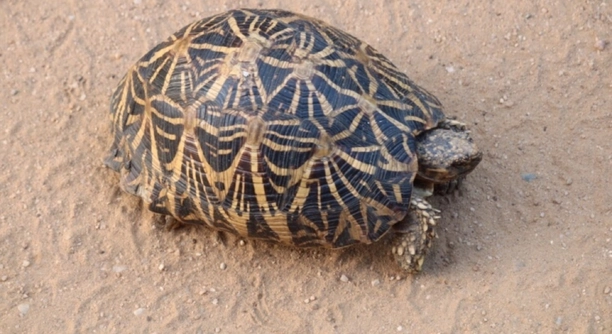
Indian Star Tortoises are popular pets, admired for their beautiful shells and calm nature. However, like any animal, they can face health issues that may affect their well-being. Understanding these concerns is key to keeping them happy and healthy.
The seven most common health issues in Indian Star Tortoises include respiratory infections, shell rot, metabolic bone disease, parasites, dehydration, malnutrition, and eye problems. Addressing these concerns early on can prevent long-term damage and improve your tortoise’s quality of life.
Knowing the signs and causes of these health problems can help you take better care of your tortoise. Proper diet, a clean habitat, and timely veterinary care are essential in ensuring your pet stays healthy.
Respiratory Infections in Indian Star Tortoises
Respiratory infections are one of the most common health issues in Indian Star Tortoises. These infections typically develop due to improper humidity levels, poor ventilation, or exposure to cold drafts. Signs include labored breathing, nasal discharge, and lethargy. If left untreated, respiratory infections can cause severe damage to the lungs and make it difficult for the tortoise to recover. It’s important to monitor the environmental conditions closely to prevent these infections from occurring.
Maintaining the right temperature and humidity is crucial for your tortoise’s health. Provide a warm, dry area for basking, along with a cool, humid spot for resting.
In case of symptoms like nasal discharge or wheezing, it’s important to consult a vet immediately. Early intervention with proper treatment, including antibiotics and adjustments to their habitat, will significantly improve your tortoise’s chances of recovery. Keeping your tortoise in a stress-free environment and ensuring it has access to clean water and food will also aid in preventing future infections.
Shell Rot in Indian Star Tortoises
Shell rot is another common issue that affects Indian Star Tortoises.
This condition occurs when the shell becomes damaged or infected, often due to poor environmental conditions or improper care. A dirty, damp habitat and lack of UVB light can contribute to shell rot, leading to visible soft or discolored patches on the shell.
To avoid shell rot, always keep your tortoise’s habitat clean and dry. Ensure that the tortoise has access to UVB light, which is essential for calcium metabolism and shell health. If you notice any changes in the appearance of your tortoise’s shell, it’s important to seek veterinary attention. If caught early, treatment typically involves topical medications and possibly dietary adjustments to promote healing. Always keep the shell dry and free from wounds to minimize infection risk.
Metabolic Bone Disease (MBD) in Indian Star Tortoises
Metabolic bone disease (MBD) is a common condition caused by calcium and vitamin D3 deficiencies. Without proper levels of these nutrients, a tortoise’s bones can become weak, leading to deformities and fractures. This can be prevented with the right diet and UVB light exposure.
To prevent MBD, provide a balanced diet with enough calcium-rich foods and supplements. Make sure your tortoise gets enough UVB light to help absorb calcium properly. A lack of UVB exposure can cause bone health problems over time. A proper feeding schedule with appropriate supplements will keep your tortoise’s bones strong and healthy.
If you notice signs like a soft or deformed shell, difficulty moving, or swollen limbs, it’s essential to seek help from a vet. Early detection of MBD can prevent severe deformities and long-term health issues. Adjusting your tortoise’s diet and habitat promptly can help restore its health and prevent further damage to the bones.
Parasites in Indian Star Tortoises
Parasites can be a significant problem for Indian Star Tortoises, causing digestive issues and overall poor health.
Parasites can enter a tortoise’s system through contaminated food, water, or an unclean living environment. External parasites like ticks and mites can also cause skin irritation and discomfort. Internal parasites may lead to symptoms such as diarrhea, weight loss, or poor appetite.
To reduce the risk of parasites, keep the tortoise’s habitat clean and free of fecal matter. Regularly disinfect the enclosure and provide fresh, clean water and food. If you suspect your tortoise has parasites, take it to a vet for stool testing and proper treatment. Veterinarians may prescribe medications to treat the parasite load and recommend cleaning protocols for your tortoise’s environment. Regular vet check-ups will help prevent parasites from taking hold.
Dehydration in Indian Star Tortoises
Dehydration is a common issue, especially in warmer climates. Without enough water, tortoises may become lethargic, lose their appetite, or have dry, sunken eyes. Proper hydration is crucial for their health and well-being.
Make sure to provide clean water at all times. You can also increase humidity in their enclosure to prevent dehydration. Offering water-rich foods like leafy greens can help maintain hydration levels. Tortoises should always have access to fresh water and be soaked regularly, especially in dry environments, to help keep their bodies hydrated.
Malnutrition in Indian Star Tortoises
Malnutrition can lead to serious health issues in Indian Star Tortoises, including weakened immunity, poor growth, and organ damage.
A diet lacking in essential vitamins and minerals can result in various health problems. Tortoises require a diet rich in fiber, calcium, and other nutrients. Leafy greens, grasses, and some fruits are ideal for maintaining a balanced diet. Avoid feeding them processed foods or those too high in oxalates, which can inhibit calcium absorption.
Eye Problems in Indian Star Tortoises
Eye issues, like swelling or discharge, are common in Indian Star Tortoises.
Poor diet, infection, or environmental stress can contribute to eye problems. If left untreated, this can lead to more severe health issues. Regularly cleaning the eyes and monitoring their environment can prevent some of these problems. If eye problems persist, consult a vet for proper treatment.
FAQ
How do I know if my tortoise is sick?
Tortoises are generally good at hiding illness, but there are some signs to watch out for. If your tortoise is not eating, has difficulty moving, or shows signs of lethargy, it could be a sign of an underlying health problem. Additionally, symptoms like nasal discharge, wheezing, swelling around the eyes, or softening of the shell are indicators that medical attention may be needed. Keep a close eye on your tortoise’s behavior and appearance to catch any issues early.
How can I prevent my tortoise from getting respiratory infections?
Respiratory infections in tortoises are often caused by improper temperature and humidity. To prevent them, maintain a stable temperature between 85°F to 90°F for the basking area and provide a cooler, humid area for your tortoise to retreat to. Make sure the enclosure is properly ventilated and avoid cold drafts. Regular cleaning of the enclosure to remove any bacteria is also important in reducing infection risks. Additionally, ensure that your tortoise has access to UVB lighting, which is essential for overall health.
What should I feed my Indian Star Tortoise?
A proper diet is essential to keep your Indian Star Tortoise healthy. They primarily eat leafy greens, grasses, and some flowers. Offer a variety of foods, such as dandelion greens, collard greens, and clover, while avoiding high-oxalate foods like spinach. Supplement their diet with calcium powder to prevent metabolic bone disease. It’s important to provide them with fresh, clean water and avoid feeding them processed or sugary foods.
Can I house more than one Indian Star Tortoise together?
While it’s possible to house more than one tortoise, it’s important to keep in mind that Indian Star Tortoises are solitary animals by nature. When housed together, there can be territorial disputes, especially if they are not introduced properly. This can lead to stress or injury. If you plan on keeping multiple tortoises, make sure they have ample space and separate areas to bask, eat, and sleep. Monitor them closely to ensure they are getting along and not showing signs of aggression.
How often should I take my tortoise to the vet?
It’s a good idea to take your tortoise for a check-up at least once a year. Regular vet visits allow you to detect any potential issues early, especially since tortoises can hide their symptoms. If you notice any abnormal behavior, changes in eating habits, or physical symptoms like swelling or discharge, take them to the vet immediately. Preventative care, including regular parasite checks, can help keep your tortoise healthy in the long run.
What is the best type of lighting for my tortoise’s enclosure?
UVB lighting is essential for your tortoise’s overall health. It helps them synthesize vitamin D3, which is crucial for calcium absorption and shell health. Use a high-quality UVB bulb that is specifically designed for reptiles. The light should be placed above the basking area and should be replaced regularly, as UVB light loses intensity over time. Make sure your tortoise has access to both UVB light and a basking area where they can warm up properly.
How do I handle a dehydrated tortoise?
If you notice signs of dehydration, such as sunken eyes or lethargy, it’s important to rehydrate your tortoise immediately. Offer fresh, clean water in a shallow dish. You can also soak your tortoise in warm water for about 20 to 30 minutes to help them absorb moisture through their skin. Make sure the water is not too hot, and ensure they can easily climb in and out of the water. If dehydration persists, take your tortoise to a vet for further treatment.
Why is my tortoise not eating?
There are several reasons why your tortoise may stop eating, including stress, illness, or an improper environment. Check the temperature, humidity, and lighting in their enclosure to ensure everything is optimal. Tortoises can be sensitive to changes, so if there have been any recent alterations, this might be the cause. If the lack of appetite continues for more than a few days, it could be a sign of a health issue, and it’s best to consult a veterinarian.
What temperature should I keep my tortoise’s enclosure at?
Indian Star Tortoises need a warm environment to thrive. The basking area should be maintained between 85°F to 90°F, while the cooler side of the enclosure should be around 75°F. It’s important to provide a temperature gradient so your tortoise can choose where to go based on its needs. Use a reliable thermometer to monitor the temperature regularly. If your tortoise is showing signs of stress or inactivity, adjust the temperature to see if it improves their behavior.
How can I prevent shell rot in my tortoise?
Shell rot is typically caused by poor environmental conditions, such as excessive humidity or lack of cleanliness in the enclosure. To prevent shell rot, make sure the enclosure is kept dry and clean. Regularly inspect your tortoise’s shell for any soft spots or discoloration. If you spot any issues early, apply a mild antiseptic and consult a vet. Provide proper UVB lighting and a balanced diet to ensure your tortoise’s shell remains strong and healthy.
How do I know if my tortoise has metabolic bone disease?
Signs of metabolic bone disease (MBD) include soft or deformed shells, difficulty moving, or swollen limbs. If you notice these symptoms, your tortoise may be lacking calcium or vitamin D3. MBD can be prevented by offering a proper diet with calcium supplements and ensuring access to UVB lighting. If you suspect your tortoise has MBD, consult a vet immediately for diagnosis and treatment.
Can I give my tortoise fruits?
While Indian Star Tortoises are primarily herbivores, you can offer them fruits in moderation. Fruits like strawberries, mango, and papaya are acceptable, but they should not make up more than 10% of your tortoise’s diet. Fruits contain high levels of sugar, which can lead to health problems if fed too frequently. Always balance their diet with a variety of leafy greens and grasses to ensure they get the necessary nutrients.
Why is my tortoise’s shell turning soft?
A soft shell can be a sign of metabolic bone disease, dehydration, or a calcium deficiency. If your tortoise’s shell feels soft or spongy, it’s crucial to address the problem immediately. Make sure they are getting enough calcium in their diet and access to UVB lighting. Regular vet visits are necessary for monitoring the condition and preventing further damage to the shell.
How often should I soak my tortoise?
Soaking your tortoise once or twice a week is generally recommended to keep them hydrated. This is especially important in dry or hot climates where dehydration is more common. You can also soak them if you notice signs of dehydration, such as sunken eyes or dry skin. Soaking helps to maintain hydration levels and aids in digestion, so it’s a good habit to get into.
Final Thoughts
Taking care of an Indian Star Tortoise requires attention to detail and a commitment to their well-being. While they are relatively low-maintenance pets, there are common health issues that owners should be aware of. Respiratory infections, shell rot, metabolic bone disease, and dehydration are just a few of the problems that can affect these tortoises if not properly managed. Providing the right environment, a balanced diet, and regular veterinary care are essential to ensuring your tortoise remains healthy and happy.
One of the most important aspects of tortoise care is their habitat. Maintaining the proper temperature, humidity, and lighting in their enclosure is vital for preventing health issues. Make sure to provide a basking area with a heat source, a cooler space for resting, and adequate UVB lighting to support calcium absorption. The enclosure should be cleaned regularly to avoid bacteria buildup and potential infections. By taking these steps, you can greatly reduce the risk of many common health problems and keep your tortoise thriving.
Finally, regular monitoring of your tortoise’s behavior and appearance is crucial. If you notice any signs of illness, such as changes in appetite, behavior, or physical appearance, it’s important to act quickly. Early detection of health issues can often lead to easier treatments and a quicker recovery. Remember, tortoises are slow to show signs of distress, so being proactive about their care and regularly checking for symptoms is key to maintaining their long-term health. Taking these simple steps will help ensure your Indian Star Tortoise leads a happy and healthy life for years to come.

Hello,
If you enjoy the content that we create, please consider saying a "Thank You!" by leaving a tip.
Every little bit helps us continue crafting quality advice that supports the health, happiness, and well-being of pets around the world, for pets of all shapes, sizes, and species.
We really appreciate the kindness and support that you show us!