
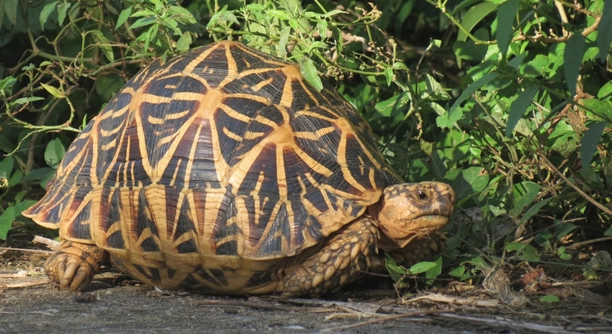
Maintaining the health and happiness of your Indian Star Tortoise requires a balanced and nutritious diet. Understanding what foods are essential for their well-being is key to ensuring they thrive in captivity.
The proper diet for your Indian Star Tortoise includes leafy greens, high-fiber vegetables, and various fruits. Providing foods like dandelion greens, collard greens, and cactus pads will promote their health and prevent common digestive issues.
Feeding them the right mix of foods will keep your tortoise healthy and satisfied.
Leafy Greens: A Staple for Your Indian Star Tortoise
Leafy greens should make up the bulk of your Indian Star Tortoise’s diet. These greens are high in fiber, which aids digestion and helps prevent obesity. Favorites like dandelion greens, collard greens, and mustard greens are not only nutritious but also mimic the natural diet your tortoise would find in the wild. These plants provide essential vitamins and minerals that support your tortoise’s immune system and overall health. Always wash the greens thoroughly to remove any pesticides or harmful chemicals before offering them to your pet.
Including a variety of leafy greens ensures that your tortoise receives a well-rounded diet. Rotate these greens frequently to prevent nutritional imbalances and keep mealtime interesting.
Incorporating a variety of leafy greens into your tortoise’s diet not only helps maintain a healthy weight but also ensures it is getting enough calcium and vitamins for strong bones and a healthy shell. Avoid iceberg lettuce, as it offers little nutritional value and may cause digestive issues. It is essential to offer these greens fresh, as the nutritional content decreases significantly once they are wilted or dried out.
Vegetables: Adding Variety to Their Diet
Vegetables like squash, zucchini, and bell peppers provide essential nutrients. These vegetables are also rich in fiber, which is beneficial for digestion.
A good mix of vegetables helps your tortoise get the vitamins and minerals it needs. Just remember to offer them in moderation, as too many vegetables can lead to imbalance.
Fruits: A Sweet Treat for Your Indian Star Tortoise
Fruits can be an occasional treat for your tortoise, offering hydration and natural sugars. Opt for fruits like papaya, watermelon, and berries. These are rich in vitamins, particularly vitamin C, which supports the immune system and overall health. Make sure to feed fruits sparingly as they are higher in sugar.
Too much fruit can lead to digestive issues and weight gain. Limit fruit servings to once or twice a week, ensuring it complements the regular greens and vegetables in the diet. Always remove seeds or pits to avoid choking hazards.
While fruits can be a healthy addition, balance is key. The natural sugar content can be too much if fed in excess. Ensure that your tortoise receives more leafy greens and vegetables than fruit. This will keep their diet in line with what they would consume in the wild.
Cactus Pads: A Nutritious and Hydrating Option
Cactus pads, often found in pet stores or specialized markets, provide a hydrating food option for your tortoise. These pads are high in water content, making them a great addition during warmer months to help keep your tortoise hydrated.
Cactus pads are also rich in fiber and minerals, essential for digestive health and overall wellness. Ensure that the pads are properly prepared by removing any spines or thorns. You can chop them into small, manageable pieces for your tortoise to enjoy. Be sure to offer these pads occasionally, as they should not replace the main diet of leafy greens.
Grasses: The Natural Food Source
Grasses, such as Bermuda grass and timothy hay, are an essential part of your tortoise’s diet. They are high in fiber, which aids in digestion and prevents obesity. You can find safe grasses at local pet stores or harvest your own from pesticide-free areas. Make sure to offer a variety.
While grasses are great for providing fiber, it’s important to ensure the grass is free of pesticides or fertilizers. Feeding your tortoise fresh, clean grass is key to their overall health. It helps mimic their natural feeding habits, contributing to a balanced and nutritious diet.
Flowers: A Special Treat
Edible flowers like hibiscus, dandelion, and clover can be a fun and nutritious addition to your tortoise’s diet. These flowers are rich in vitamins, antioxidants, and minerals. Ensure the flowers are pesticide-free and safe before offering them.
While flowers can provide variety and extra nutrients, they should be given occasionally. Overfeeding flowers can lead to digestive issues. Keep them as a special treat rather than a daily food option. Always monitor your tortoise’s reaction after feeding new flowers.
FAQ
What can I feed my Indian Star Tortoise besides leafy greens?
In addition to leafy greens, you can offer a variety of vegetables, fruits, cactus pads, and grasses. Vegetables such as zucchini, bell peppers, and squash are good choices. Fruits like papaya and watermelon can be given in moderation. Be sure to include high-fiber grasses like Bermuda grass and timothy hay to round out their diet.
Can my tortoise eat fruit every day?
No, fruit should only be offered occasionally. While fruits provide vitamins and hydration, they are high in sugar, which can lead to digestive problems and weight gain if fed in excess. Stick to feeding fruit once or twice a week.
How much food should I give my Indian Star Tortoise?
You should provide a variety of fresh foods in amounts that allow for natural grazing behavior. A general rule is to offer a few handfuls of leafy greens daily, along with small portions of vegetables and fruits. Ensure that the food is always fresh and free from pesticides or chemicals.
Is it okay to feed my tortoise store-bought vegetables?
Yes, store-bought vegetables can be part of your tortoise’s diet. However, it’s crucial to thoroughly wash them to remove any pesticides or contaminants. Organic vegetables are a better option if available. Avoid feeding your tortoise vegetables that are pre-packaged with sauces or dressings.
Can I feed my tortoise flowers from my garden?
Yes, you can feed your tortoise flowers from your garden, but only if they are pesticide-free. Flowers like hibiscus, dandelion, and clover are safe and nutritious. However, avoid any flowers that are toxic to tortoises, such as lilies or daffodils.
Are cactus pads safe for my tortoise?
Yes, cactus pads are safe and nutritious. They are hydrating and high in fiber. Be sure to remove any spines or thorns before feeding them to your tortoise. Cactus pads can be offered once or twice a week, but they should not replace other essential foods like leafy greens.
Can I feed my tortoise iceberg lettuce?
No, iceberg lettuce should be avoided. It lacks nutritional value and can cause digestive issues due to its high water content and low fiber. Stick to darker, leafy greens like dandelion or collard greens, which provide more nutrients.
How do I know if my tortoise is eating enough?
Monitor your tortoise’s behavior and weight. If it’s eating regularly, has a healthy appetite, and maintains a steady weight, it is likely consuming enough food. If your tortoise seems lethargic, is losing weight, or refuses food, consult a veterinarian to rule out any health concerns.
Can I feed my tortoise the same foods every day?
Feeding your tortoise the same food every day is not recommended. It’s important to offer variety to ensure a well-balanced diet. Rotating different types of greens, vegetables, fruits, and grasses will provide a wider range of nutrients, preventing deficiencies.
What is the best way to hydrate my tortoise?
Provide a shallow water dish that your tortoise can easily access for drinking. Tortoises also get hydration from foods like fruits and cactus pads. It’s important to check their water bowl daily and keep it clean to ensure they stay hydrated.
Are there any foods that I should avoid feeding my tortoise?
Yes, some foods are toxic to tortoises. Avoid feeding them avocado, onion, garlic, and rhubarb, as these can be harmful. Additionally, refrain from offering high-fat or high-protein foods like cheese or meat, as they can disrupt their digestive system.
How often should I feed my Indian Star Tortoise?
Adult Indian Star Tortoises can typically be fed every other day. Younger tortoises, however, may need to eat daily. It’s important to monitor their appetite and adjust feeding frequency as necessary based on age and health.
Can I give my tortoise calcium supplements?
Yes, calcium is crucial for your tortoise’s bone health and shell growth. You can sprinkle calcium powder on their food once or twice a week. However, too much calcium can cause health issues, so ensure that the amount is appropriate.
What should I do if my tortoise refuses to eat?
If your tortoise refuses to eat, check its environment for any stressors, such as temperature fluctuations, improper humidity, or changes in routine. A lack of appetite can also indicate illness. If your tortoise continues to refuse food, seek advice from a reptile vet.
How can I encourage my tortoise to eat a varied diet?
Offering a variety of fresh foods and changing up the options regularly can help encourage your tortoise to eat a diverse diet. You can also try different methods of serving the food, such as cutting it into smaller pieces or mixing foods together.
Can I feed my tortoise the same foods as other reptiles?
While some reptiles have similar dietary needs, it’s best to stick to foods recommended specifically for Indian Star Tortoises. Other reptiles may have different nutritional requirements, so make sure to follow a diet tailored to your tortoise’s species for optimal health.
What should I do if my tortoise seems overweight?
If your tortoise appears overweight, reduce the amount of high-calcium or high-sugar foods like fruits and offer more high-fiber vegetables and grasses. Regular exercise and an appropriate habitat temperature are also essential for maintaining a healthy weight. If needed, consult a vet for a tailored plan.
Final Thoughts
Caring for your Indian Star Tortoise involves providing a balanced diet, regular hydration, and a safe environment. Offering a variety of fresh foods, such as leafy greens, vegetables, and safe fruits, is essential for their health. You should also include high-fiber grasses and occasional treats like flowers and cactus pads. However, be cautious with the quantity and frequency of certain foods, especially fruits, to avoid digestive issues and weight gain. A well-rounded diet supports your tortoise’s growth, shell health, and energy levels.
Hydration is another key factor in maintaining a healthy tortoise. Always provide access to clean, fresh water. While some moisture is absorbed from their food, a water dish is essential for drinking. It’s also important to keep your tortoise’s habitat at the right temperature and humidity levels, as these factors directly influence their appetite and digestion. Regular observation of their behavior and eating habits helps ensure they are thriving in their environment.
Lastly, remember that each tortoise is unique. Some may have specific preferences or dietary needs that require adjustments. Monitoring your tortoise’s health, weight, and activity level can help you identify any issues early on. If you ever have concerns, consulting a reptile vet will give you peace of mind and ensure that your tortoise remains healthy and happy for years to come.

Hello,
If you enjoy the content that we create, please consider saying a "Thank You!" by leaving a tip.
Every little bit helps us continue crafting quality advice that supports the health, happiness, and well-being of pets around the world, for pets of all shapes, sizes, and species.
We really appreciate the kindness and support that you show us!