
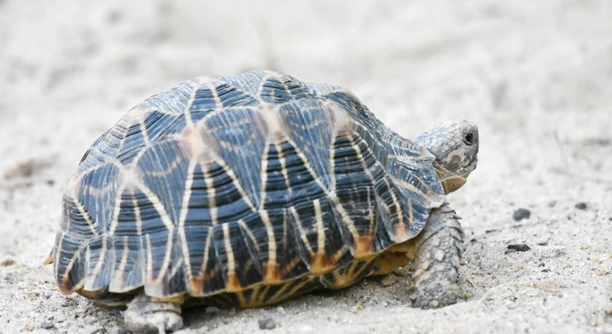
Creating the proper heating system for your Indian Star Tortoise is essential for its well-being. Understanding the right temperature range and equipment will ensure a comfortable and safe environment for your tortoise to thrive.
To create a proper heating system, focus on providing a heat gradient within the enclosure. Use a heat lamp, ceramic heat emitter, or heat mat to achieve temperature variations, allowing your tortoise to regulate its body temperature effectively.
Maintaining the right environment will help your tortoise stay healthy and active, ensuring it enjoys a long, comfortable life in your care.
Choosing the Right Heating Equipment
The heating equipment you choose for your Indian Star Tortoise plays a crucial role in maintaining its health. Heat lamps are a common choice and can provide an effective source of warmth. When selecting a heat lamp, opt for one that offers a basking spot of 90-95°F (32-35°C) for optimal comfort. Alongside heat lamps, ceramic heat emitters are also an excellent option since they don’t emit light, making them ideal for nighttime use. Heat mats can provide an additional heat source under the substrate, which is helpful for creating the proper temperature gradient.
While heat lamps and emitters offer surface warmth, make sure to provide a cooler area in the enclosure as well. This allows your tortoise to move between different temperature zones based on its needs. The cool side should be kept between 75-80°F (24-27°C) to maintain a healthy range of temperatures. A combination of different heating methods will allow your tortoise to regulate its temperature naturally.
For a reliable and consistent temperature, always use a thermometer to monitor the heating system. By keeping a close watch on the environment, you can quickly detect any issues with heating before they affect your tortoise.
Proper Placement of Heating Devices
Placement is key when positioning your heating devices. Ensure that the heat source is not too close to your tortoise to avoid overheating.
Proper placement of heating devices is important for creating a balanced environment. Position heat lamps above the basking area, ensuring they don’t get too close to the substrate, as excessive heat can cause burns. Also, keep the heat mat under the enclosure’s floor to avoid direct contact with your tortoise’s body.
Creating a Temperature Gradient
A proper temperature gradient allows your Indian Star Tortoise to regulate its body temperature naturally. Set up the enclosure with a warmer basking area and a cooler side. The gradient will give your tortoise the option to move to the spot that suits its needs at any given moment.
To create an effective gradient, use a heat lamp on one side to maintain a temperature of 90-95°F (32-35°C) and place the cooler side at 75-80°F (24-27°C). This variation in temperature is essential for your tortoise’s digestion, activity levels, and overall health. Having a warm area for basking and a cooler spot for retreat helps simulate natural conditions.
Ensure the temperature is evenly spread across the enclosure. This can be achieved by using multiple heat sources, such as a heat mat for the cooler side and a heat lamp for the basking zone. Check temperatures regularly to maintain a consistent environment.
Monitoring Humidity Levels
Humidity is important for the health of your Indian Star Tortoise. Ensure the enclosure maintains humidity levels between 50-70% to avoid respiratory issues.
To monitor humidity, invest in a reliable hygrometer. This will help you track the humidity levels and adjust as necessary. Mist the enclosure lightly with water every few days to maintain humidity, but avoid over-wetting the substrate. The right balance of humidity will promote healthy skin shedding and overall well-being.
In addition to misting, using a water dish can also increase humidity. Ensure the water is shallow enough to prevent drowning but sufficient for drinking and soaking. Adjust your humidity levels based on the local climate and seasonal changes to keep your tortoise comfortable.
Using UVB Lighting
UVB lighting is essential for your Indian Star Tortoise’s health. It helps them synthesize vitamin D3, which is necessary for calcium absorption and bone health. Make sure the UVB light is on for 10-12 hours daily.
Place the UVB light close to the basking area but not too close, as it can cause burns. Regularly replace the bulb as UVB rays degrade over time, even if the light still works. A proper UVB source is key for avoiding metabolic bone disease and other health issues related to vitamin D3 deficiency.
Ensure the light provides both UVB and UVA rays. UVB aids in vitamin D3 production, while UVA helps stimulate activity and appetite. If your tortoise spends time outside, UVB light exposure is less critical, but for indoor enclosures, a high-quality UVB light is crucial.
Regular Temperature Checks
Check the temperature of your tortoise’s enclosure regularly. This ensures that it stays within the proper range.
Use digital thermometers placed on both the warm and cool sides. Regular temperature checks will help you spot any issues quickly, avoiding discomfort or stress for your tortoise.
FAQ
What temperature is ideal for an Indian Star Tortoise?
The ideal temperature for an Indian Star Tortoise varies depending on the area of the enclosure. The basking area should be between 90-95°F (32-35°C), while the cooler side should be around 75-80°F (24-27°C). These temperatures allow your tortoise to regulate its body heat by moving between warmer and cooler zones.
How long should I keep the heating lights on?
Heating lights should be on for 10-12 hours a day. This mimics natural daylight and provides your tortoise with a consistent cycle of day and night. Keep in mind that the light should be turned off at night to allow your tortoise to rest in cooler conditions, mimicking natural nocturnal temperatures.
Can I use a regular light bulb for heating?
No, regular light bulbs do not provide the necessary heat for a tortoise’s habitat. Use a specialized heat lamp or ceramic heat emitter designed for reptiles. These lights are built to provide a steady temperature and safe basking area for your tortoise without posing the same risks as regular bulbs.
Is UVB lighting necessary for an indoor tortoise?
Yes, UVB lighting is essential for indoor tortoises. It helps them produce vitamin D3, which is crucial for calcium absorption and bone health. Without UVB light, your tortoise could develop metabolic bone disease. Replace the UVB bulb regularly, as it loses effectiveness over time.
How do I know if my tortoise is too hot or too cold?
If your tortoise is too hot, it may try to escape the basking area or exhibit signs of stress like rapid breathing or lethargy. If it’s too cold, it may become sluggish, inactive, or refuse food. Make sure your temperature gradient is properly set so your tortoise can regulate its body temperature.
Can I use a heat mat for my tortoise?
Yes, heat mats can be used to create warmth on the cooler side of the enclosure. They help establish a proper temperature gradient. Ensure that the heat mat is placed underneath the enclosure, away from direct contact with your tortoise, and monitor the temperature to avoid overheating.
How can I maintain the proper humidity level?
To maintain proper humidity levels, use a hygrometer to measure the moisture in the air. Keep the humidity between 50-70% by misting the enclosure lightly every few days. Make sure not to overdo it, as excessive moisture can cause respiratory issues. You can also use a shallow water dish to increase humidity.
Can I let my Indian Star Tortoise outside?
Yes, you can allow your Indian Star Tortoise to spend time outside if the weather is warm and safe. Ensure the area is free of predators and escape risks. Natural sunlight will provide beneficial UVB exposure. However, only do this under supervision and make sure the environment is appropriate for your tortoise’s needs.
How often should I check the temperature and humidity?
You should check the temperature and humidity daily to ensure they stay within the appropriate ranges. Use reliable digital thermometers and hygrometers for accurate readings. Frequent checks help you spot any issues early, allowing you to make necessary adjustments to maintain a comfortable environment.
How do I clean the heating equipment?
Keep heating equipment clean by regularly wiping it down with a damp cloth. Be sure to turn off the heat sources before cleaning to prevent burns or electrical issues. For ceramic emitters and heat lamps, remove dust and debris to ensure they work efficiently and safely.
Is it safe to use a thermostat with the heating system?
Yes, using a thermostat with your heating system is a safe and effective way to regulate the temperature in your tortoise’s enclosure. A thermostat will automatically adjust the heating device to maintain the desired temperature, preventing overheating or underheating and ensuring your tortoise’s comfort.
Should I leave the heat on at night?
It is generally safe to turn off the heat source at night, as your tortoise needs a cooler environment to rest. The temperature should drop to around 70-75°F (21-24°C) at night, simulating natural temperature fluctuations. If you use a ceramic heat emitter, it can remain on at night since it doesn’t emit light.
How can I prevent overheating in my tortoise’s enclosure?
Prevent overheating by positioning heat sources correctly and using a thermostat to monitor temperature. Make sure the basking light is not too close to the substrate, as this can cause hot spots. Regularly check the temperature to ensure it stays within the appropriate range and adjust the heating devices accordingly.
Final Thoughts
Creating the right heating system for your Indian Star Tortoise is essential for its health and well-being. Maintaining proper temperatures and UVB exposure ensures your tortoise can digest food, absorb calcium, and stay active. Without these vital factors, your tortoise may become sluggish or even develop health issues. Regularly monitor the temperature gradients in the enclosure to offer your tortoise both warm and cool zones to regulate its body heat.
In addition to temperature and lighting, humidity levels should also be carefully managed. Use a hygrometer to measure the moisture in the air and mist the enclosure as needed. Humidity levels that are too low can cause dehydration, while excessive moisture can lead to respiratory problems. Finding a balance is key to keeping your tortoise comfortable and healthy. Keeping the enclosure clean is also important. Regularly clean your heating equipment, replace UVB bulbs as needed, and spot clean waste to avoid any contamination.
Finally, remember that the environment in which your Indian Star Tortoise lives plays a significant role in its overall health. With proper heating, UVB lighting, and humidity control, you can create a habitat that supports its natural needs. Regular care and attention to these details will not only prevent health issues but also allow your tortoise to thrive in its home. Ensure you are providing the right conditions for your tortoise and remain vigilant about its environment. With time and consistency, your tortoise will live a long and healthy life.

Hello,
If you enjoy the content that we create, please consider saying a "Thank You!" by leaving a tip.
Every little bit helps us continue crafting quality advice that supports the health, happiness, and well-being of pets around the world, for pets of all shapes, sizes, and species.
We really appreciate the kindness and support that you show us!