
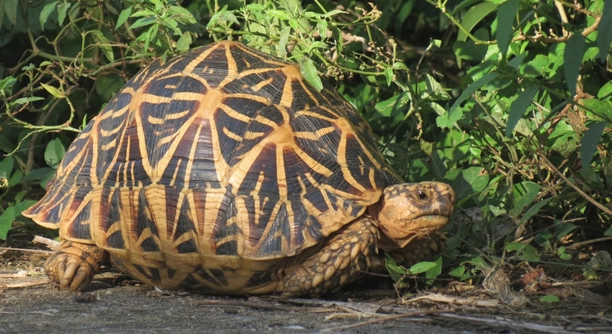
Indian Star Tortoises are unique pets that enjoy a peaceful lifestyle. However, like any animal, they can experience boredom, which can lead to stress. It’s important to engage them in activities that provide mental and physical stimulation.
To prevent boredom, it’s essential to offer your tortoise various enriching activities. Regular exercise, new environments, and interactive toys help keep them active and mentally engaged. Rotating these activities ensures your tortoise stays entertained and healthy.
Keeping your tortoise active isn’t just about providing space; it’s about offering new experiences that stimulate their natural behaviors.
Understanding Your Tortoise’s Needs
Indian Star Tortoises are naturally curious creatures that need both physical and mental stimulation. If they are left in the same environment without variety, they can get bored. This boredom may lead to inactivity, weight loss, or even health problems. As a pet owner, it’s your job to make sure they have enough to do to stay content. Offering a variety of activities helps simulate their natural behavior and keeps them active. You can start by ensuring their habitat is spacious and includes hiding spots, different textures, and even some plants to explore. Regular changes to their environment can make a big difference in how they feel.
Adding some small challenges in their space will encourage your tortoise to move around more, which benefits their overall well-being. Along with mental stimulation, physical exercise is just as crucial for their health. This combination can prevent boredom and help ensure that your tortoise thrives.
A change in their environment or introducing something new can be enough to make your tortoise feel like they have something to look forward to each day.
Enriching Activities to Consider
To keep your tortoise entertained, start with basic activities like hiding food around their enclosure.
Hiding food encourages your tortoise to forage, much like they would in the wild. You can place pieces of fruit or vegetables under rocks or inside safe spaces for them to find. This helps stimulate their natural instincts and encourages physical movement. You can also add new textures to their enclosure, such as leaves or small branches, that they can interact with. These simple changes can make a big difference in how they engage with their environment.
Adding puzzles or hiding food challenges your tortoise in a fun, low-cost way. These activities provide both exercise and mental stimulation.
Create a Climbing Area
A climbing area encourages your tortoise to be more active. Providing safe rocks or ramps in their space will get them moving. This type of setup mimics natural environments where they would climb over obstacles.
Adding climbing structures also helps your tortoise improve its physical strength. As they climb, they’ll use different muscles, promoting overall health. Make sure the area is secure so your tortoise doesn’t hurt itself. You can even rotate climbing surfaces or add ramps to keep things interesting. Always ensure that the surfaces are smooth, as rough textures may cause discomfort.
Climbing areas allow for variety, which keeps things exciting. The goal is to make their environment more dynamic and engaging without making it too difficult. Gradually increasing the difficulty level of obstacles can keep them challenged but not frustrated. Just be sure to monitor their progress and provide easy ways to climb or descend.
Use of Hiding Spots
Hiding spots help simulate natural behaviors and encourage your tortoise to explore. Providing them with various places to hide will boost their sense of security.
Adding small hideaways like wooden boxes or plants gives your tortoise a place to retreat. These spots mimic the shelter they would seek out in the wild. A simple wooden log or overturned clay pot works well for creating hiding spots. You can also place food or treats inside these spaces to encourage exploration. The more your tortoise has to search and explore, the less likely it is to get bored.
These small changes can significantly affect how your tortoise interacts with its space. By offering them places to explore and rest, you’ll keep their days interesting and active.
Change the Habitat Regularly
Rotating your tortoise’s environment will keep things fresh and exciting. Simple changes like moving furniture or rearranging hiding spots can encourage curiosity.
When you change their surroundings, they have to explore again. This stimulates their mind and prevents them from becoming too accustomed to one area. A new environment can also help prevent stress and encourage natural behaviors. Make sure the changes are safe, and always give your tortoise time to adjust.
The goal is to create an environment where your tortoise feels engaged. Regular adjustments help prevent the environment from feeling static and boring.
Provide Interactive Toys
Interactive toys keep your tortoise active while offering mental stimulation. Simple items like small balls or movable objects can get them to explore and play.
Using toys in your tortoise’s space can mimic the challenge of foraging. These toys encourage them to move, explore, and test their problem-solving skills. Avoid toys that are too small or can be easily swallowed to ensure safety. Start with soft, tortoise-friendly objects that encourage natural exploration.
The right toys will help break up their routine and add variety to their day. Just make sure they are designed for reptiles to avoid any harm.
FAQ
How often should I change my tortoise’s environment?
Changing your tortoise’s environment every few weeks is ideal. You don’t need to do drastic changes, but small adjustments like moving objects, adding new textures, or rearranging items will keep your tortoise interested. Over time, they may get used to certain setups, so rotating their space helps stimulate their curiosity and prevent boredom.
Can I take my tortoise outside to play?
Yes, you can take your tortoise outside, but only in safe environments. Ensure the area is secure and free from hazards like other animals or toxic plants. Supervised outdoor time is great for exercise and exposure to natural sunlight, which benefits their health. Always monitor your tortoise while they are outside to ensure they don’t wander off or get into trouble.
What kinds of toys are safe for my Indian Star Tortoise?
Toys made from soft, non-toxic materials like rubber or untreated wood are great options. Avoid toys that are too small, as they could be a choking hazard. You can also use everyday items like cardboard boxes or empty plastic containers. Make sure they are durable and easy to clean, as tortoises may chew or lick them.
How can I tell if my tortoise is bored or stressed?
Signs of boredom in tortoises include lethargy, lack of interest in food, and repetitive behavior. Stress can show as excessive hiding, refusal to eat, or changes in movement patterns. If your tortoise is not moving around much or seems unusually quiet, it may be a sign that they are not stimulated enough. Look for any changes in their behavior and try introducing new activities to see if they become more active.
Is it okay to handle my tortoise regularly?
While occasional handling is fine, it’s important not to overdo it. Tortoises are naturally independent and may find too much handling stressful. If you do interact with your tortoise, be gentle and avoid picking them up too often. Instead, focus on creating an enriched environment that encourages them to engage on their own terms. Handling should be limited to times when necessary, like for health checks or cleaning.
How can I help my tortoise stay healthy and active?
To keep your tortoise healthy, provide a spacious enclosure, fresh water, a balanced diet, and regular exercise. Incorporate different activities into their routine, such as climbing, foraging, and exploring new areas. Giving them the opportunity to move around freely and interact with various objects or textures is essential for their well-being. Keeping their space clean and maintaining a consistent temperature is also key to supporting their health.
Can I use plants in my tortoise’s enclosure?
Yes, plants can be a great addition to your tortoise’s environment. Choose non-toxic, tortoise-friendly plants like dandelions, clover, and grass. Make sure the plants are safe for reptiles and avoid those that are harmful to them. You can use plants to create hiding spots, increase variety in their environment, and encourage natural behaviors like grazing. Just be sure to remove any dead plants to keep the space clean.
What types of foods can I hide for my tortoise?
Hiding foods like leafy greens, flowers, and small fruits in their enclosure is a great way to engage your tortoise. Foods like dandelion greens, strawberries, or even edible flowers can encourage foraging behavior. Make sure to avoid feeding them high-oxalate foods in excess, as these can cause health problems. Hiding food in various places will make mealtime more interesting and provide an extra source of mental stimulation.
How do I know if my tortoise is getting enough exercise?
If your tortoise is consistently moving around their enclosure, climbing over objects, and engaging in foraging behavior, they are likely getting enough exercise. However, if you notice them spending a lot of time hiding or not moving much at all, they might need more stimulation. Adding climbing structures or rearranging their habitat can encourage movement. Regular supervised outdoor time can also help them get the exercise they need.
What is the best way to enrich my tortoise’s environment?
The best way to enrich your tortoise’s environment is by offering variety. Add climbing areas, hiding spots, safe toys, and food challenges. Regularly change their surroundings and provide new textures or obstacles. You can also let your tortoise explore safe outdoor spaces to keep things fresh and exciting. The key is to give your tortoise options to explore, climb, and interact with.
Final Thoughts
Keeping your Indian Star Tortoise entertained and active doesn’t have to be complicated. Small changes to their environment, such as adding new textures or creating climbing areas, can make a big difference. These simple adjustments keep your tortoise engaged and prevent boredom, which is key for their overall health. Tortoises are naturally curious animals, and by offering them a variety of activities, you provide opportunities for them to explore and thrive. Regularly rotating their environment or introducing new challenges helps keep them stimulated. It’s all about giving them the chance to express their natural behaviors.
Incorporating activities like hiding food or providing interactive toys can also encourage your tortoise to be more active. Hiding food in different areas of their enclosure simulates foraging and gives them a reason to move around. Interactive toys, on the other hand, encourage problem-solving and can add variety to their day. You don’t need to invest in expensive toys or equipment; simple household items can work just as well. The goal is to engage your tortoise in a way that mimics their natural habits, making them feel like they have something to do each day. With regular activity, your tortoise will stay physically fit and mentally sharp.
Finally, always observe your tortoise’s behavior. If they seem uninterested or inactive, it may be time to add a new element to their routine. Small changes to their habitat, like adding a new hideaway or rearranging objects, can spark their curiosity and encourage them to move more. Don’t forget to offer them a balanced diet and keep their environment clean to support their well-being. By paying attention to their needs and offering a variety of engaging activities, you’ll help your tortoise lead a happier, healthier life.

Hello,
If you enjoy the content that we create, please consider saying a "Thank You!" by leaving a tip.
Every little bit helps us continue crafting quality advice that supports the health, happiness, and well-being of pets around the world, for pets of all shapes, sizes, and species.
We really appreciate the kindness and support that you show us!