
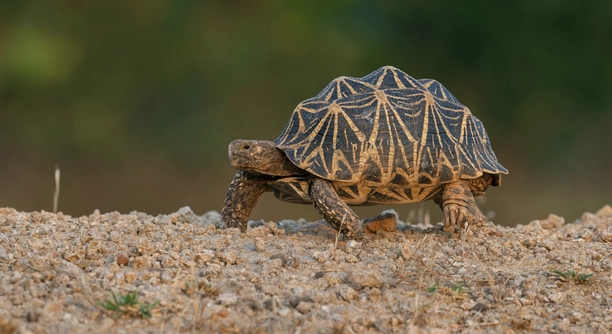
Uneven shell growth in Indian star tortoises can be concerning, but it’s something that can often be fixed with the right care. This issue typically occurs when the tortoise’s habitat or diet isn’t quite up to par.
To correct uneven shell growth, you need to address factors like diet, lighting, humidity, and habitat setup. Ensuring that your tortoise receives a balanced diet with proper UVB lighting and humidity levels can encourage uniform growth of its shell.
There are a few manageable steps to help restore balance to your tortoise’s shell. Understanding the causes behind the issue and making necessary adjustments will guide you in the right direction.
Ensure Proper Diet and Nutrition
A proper diet is one of the most important factors in promoting healthy shell growth in Indian star tortoises. A balanced diet full of leafy greens, vegetables, and occasional fruits will provide essential vitamins and minerals for shell repair. Calcium is especially crucial, as it helps to strengthen the shell and prevent deformities. Without sufficient calcium, tortoises may experience softer shells or uneven growth. It’s also important to include foods rich in vitamin D3 to aid calcium absorption. Additionally, avoid feeding your tortoise foods that are high in phosphorus, as they can interfere with calcium uptake.
A healthy diet, combined with the right nutrients, helps maintain consistent shell growth. Providing a variety of foods ensures they receive all the necessary vitamins and minerals.
To make sure your tortoise gets the right nutrition, consider offering a mix of kale, collard greens, and dandelion greens. You can also introduce occasional fruits like strawberries or papaya. It’s best to avoid giving them high-protein foods like lettuce, as it lacks important nutrients for proper shell growth.
Optimize UVB Lighting and Temperature
UVB lighting is essential for your tortoise’s overall health, as it helps them produce vitamin D3, which is crucial for calcium metabolism. Without proper UVB exposure, your tortoise may develop shell deformities due to calcium deficiencies. The best way to achieve this is by providing direct sunlight or using a UVB bulb that mimics natural sunlight. The UVB bulb should be positioned close enough to your tortoise so they can absorb the light.
Ensure the light is placed at the correct distance from the basking area and is changed regularly, as UVB bulbs lose their effectiveness over time.
Besides UVB, maintaining the proper temperature in your tortoise’s habitat is equally important. It’s vital to create a gradient temperature, allowing your tortoise to move between warmer and cooler areas. The basking area should be around 95°F to 100°F, while the cooler side should be about 75°F. This temperature balance helps in digestion and overall well-being.
Monitor Humidity Levels
Humidity plays a crucial role in shell health. Too low or too high humidity can cause uneven growth or lead to shell deformities. Keep the humidity level in your tortoise’s enclosure between 50% and 70%. If it’s too low, the tortoise may struggle to shed its scutes properly, leading to uneven growth.
Using a humidity gauge can help you monitor the levels accurately. If you need to raise humidity, consider adding a shallow water dish or misting the enclosure with water. Be cautious not to make it too damp, as excessive moisture can lead to respiratory problems.
Maintaining the right humidity will also aid in the tortoise’s overall well-being. A consistent environment promotes healthy skin shedding, and it reduces the risk of infections that can disrupt shell growth. Keep in mind that the enclosure’s size and the materials used can affect humidity, so adjusting your setup might be necessary.
Provide a Spacious and Safe Habitat
A cramped or uncomfortable habitat can stunt your tortoise’s growth and contribute to shell issues. It’s important to give your tortoise enough space to move around freely. If they’re confined to a small area, they may not be able to stretch their legs and shells properly.
The enclosure should be large enough for your tortoise to roam, bask, and hide. A good rule of thumb is at least 10 square feet for each adult tortoise. This allows them to exercise, which helps maintain a healthy, strong shell. Make sure the habitat is free of sharp objects or anything that could cause injury.
The flooring should also be safe and comfortable. Avoid rough surfaces, as they can cause abrasions or discomfort for your tortoise. Use materials like coconut husk or soil that mimic their natural environment. A well-constructed, spacious, and comfortable habitat will support your tortoise’s overall health and proper shell growth.
Avoid Overfeeding
Overfeeding can lead to an unhealthy weight and shell issues. It’s important to feed your tortoise the right portion sizes to prevent obesity. Too much food can cause stress on their body, affecting shell growth.
Stick to a regular feeding schedule, offering enough food for the tortoise to finish within 30 minutes. This way, you avoid leaving excess food in the enclosure that could go bad or attract pests.
A proper feeding routine will keep your tortoise healthy and help with maintaining a balanced shell. Avoid giving them food every day that’s too rich in fats or proteins, as this can cause nutritional imbalances.
Regular Shell Inspections
It’s essential to regularly check your tortoise’s shell for any signs of issues. Look for cracks, uneven growth, or soft spots. Early detection of any problems can help you address them before they worsen.
If you notice anything unusual, consult with a vet who specializes in reptiles. Taking action early on is crucial for effective treatment.
Seek Veterinary Advice
Sometimes, even with the best care, issues can persist. If the uneven shell growth continues, it’s best to seek help from a reptile vet. A vet can offer professional advice and treatment.
Veterinarians are trained to spot underlying health problems that might not be visible to the untrained eye. They can guide you in creating a treatment plan tailored to your tortoise’s specific needs.
FAQ
Why is my Indian star tortoise’s shell growing unevenly?
Uneven shell growth in Indian star tortoises is often caused by a combination of improper diet, inadequate UVB lighting, and environmental factors such as humidity and temperature. Without a balanced diet that includes the right amount of calcium, your tortoise might not be able to grow its shell evenly. UVB lighting is vital for calcium absorption, and a lack of it can lead to shell deformities. Additionally, humidity and temperature imbalances in the enclosure may cause the shell to develop unevenly over time.
What is the best diet for my Indian star tortoise?
An Indian star tortoise should have a diet high in calcium and fiber. Leafy greens like dandelion greens, collard greens, and kale are good choices. You can also add occasional fruits, but these should not be the main part of their diet. Avoid feeding your tortoise iceberg lettuce or other low-nutrient foods. It’s crucial to include calcium-rich foods or calcium supplements to ensure strong shell development. If needed, provide a vitamin D3 supplement to help calcium absorption.
How much UVB exposure does my tortoise need?
Your tortoise should have access to UVB light for about 10-12 hours a day. If they cannot get natural sunlight, a UVB bulb designed for reptiles can be used. Be sure to place the bulb close enough to your tortoise (usually 6-12 inches) to ensure effective exposure. UVB helps your tortoise metabolize calcium properly and prevents shell issues.
Can I use a heat lamp to help with uneven shell growth?
A heat lamp can be useful to maintain the proper temperature range in your tortoise’s enclosure. However, it’s essential to use it alongside UVB lighting, as heat alone won’t address the calcium absorption problems caused by insufficient UVB. Make sure the basking area stays between 95°F to 100°F, with a cooler area at around 75°F, for your tortoise to thermoregulate.
What temperature and humidity should I maintain in the enclosure?
The temperature should have a gradient, with the basking area being 95°F to 100°F, and the cooler end around 75°F. Humidity should be kept between 50% and 70%. If the humidity is too low, your tortoise might have trouble shedding its scutes, which can affect shell growth. If the humidity is too high, it can create a breeding ground for bacteria. Use a hygrometer to measure humidity levels and adjust them with water dishes or misting.
How often should I feed my tortoise?
Feed your tortoise every other day, offering enough food for them to eat within 30 minutes. A varied diet with a mixture of leafy greens, occasional fruits, and vegetables should be provided. Overfeeding can lead to obesity and shell deformities, so it’s important not to leave uneaten food in the enclosure. Stick to a consistent schedule to prevent digestive problems.
How can I tell if my tortoise is overweight?
Overweight tortoises might have a rounded or puffy shell. If you notice your tortoise has difficulty moving or has an unusually large belly, they may be overweight. You should be able to feel the ribs gently, but they should not be overly visible or hidden under fat. If you suspect your tortoise is overweight, adjust its diet and feeding schedule accordingly.
What should I do if I notice a crack or injury on my tortoise’s shell?
If you spot a crack or injury, it’s essential to keep the area clean and prevent further infection. Mild injuries can be cleaned with antiseptic designed for reptiles. However, deeper cracks or more serious damage require immediate veterinary attention. A vet can assess the injury and provide proper care, which may involve bandaging or shell repair procedures.
Can shell deformities be reversed?
If caught early, some shell deformities can be managed and improved by correcting the environmental factors like diet, UVB exposure, and humidity. However, significant or long-term damage may not be fully reversible. It’s essential to provide proper care and seek professional help to ensure the best possible outcome for your tortoise.
How often should I change the substrate in my tortoise’s enclosure?
The substrate should be changed regularly to prevent the buildup of waste, bacteria, and mold. At minimum, clean the enclosure and replace the substrate once a month. For areas where your tortoise eats or spends most of its time, you may need to clean more frequently. Always ensure the substrate is dry to avoid excess moisture, which can affect humidity levels and cause health issues.
Can stress cause uneven shell growth?
Yes, stress can contribute to uneven shell growth. If your tortoise feels threatened or uncomfortable, it can cause health problems, including shell issues. Avoid sudden changes in the environment and make sure your tortoise feels secure in its habitat. Keeping the enclosure quiet, calm, and consistent will help your tortoise thrive.
Should I take my tortoise to the vet even if it seems healthy?
Routine checkups are always a good idea. Even if your tortoise appears healthy, a vet can spot potential problems before they become serious. Regular veterinary visits ensure that your tortoise is receiving the proper care and can help you prevent any health issues, including uneven shell growth.
Final Thoughts
Taking care of an Indian star tortoise with uneven shell growth requires a few simple but important changes to its environment. By adjusting factors like diet, UVB lighting, and humidity levels, you can help encourage more balanced shell growth. It’s essential to provide a varied and calcium-rich diet, as this helps your tortoise maintain a strong and healthy shell. Over time, a proper diet combined with the right lighting and humidity can improve the condition of your tortoise’s shell.
Remember that every tortoise is different, and changes may take some time to show results. Patience is key in ensuring your tortoise’s shell grows evenly. Keep track of the adjustments you make, such as changes in temperature or feeding schedules, so you can see what works best for your tortoise. If you notice no improvement or worsening of the condition, don’t hesitate to consult with a vet. Professional advice can guide you in addressing more serious health concerns that might be causing the uneven shell growth.
Ultimately, your tortoise’s health depends on creating the best environment for it to thrive. This includes a spacious and safe habitat that allows for natural movement, along with the proper light and temperature conditions. By focusing on these areas, you can not only help fix uneven shell growth but also improve your tortoise’s overall well-being.

Hello,
If you enjoy the content that we create, please consider saying a "Thank You!" by leaving a tip.
Every little bit helps us continue crafting quality advice that supports the health, happiness, and well-being of pets around the world, for pets of all shapes, sizes, and species.
We really appreciate the kindness and support that you show us!