
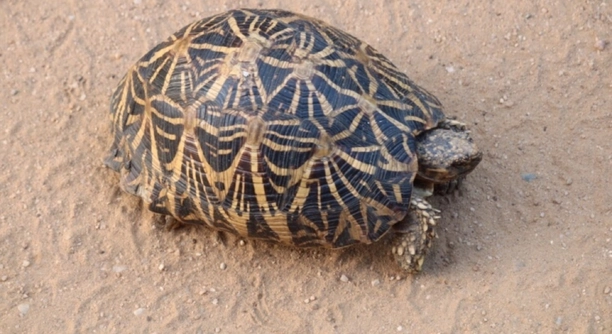
Creating a comfortable hiding spot for your Indian Star Tortoise is essential for their well-being. A proper hiding area provides them with the security and privacy they need to feel safe and stress-free in their environment.
To create the perfect hiding spot for your Indian Star Tortoise, you should provide a quiet, enclosed space with natural materials like logs, rocks, or plants. Make sure the spot is easily accessible, well-ventilated, and large enough for the tortoise to move around comfortably.
Providing the right environment for your tortoise can improve their health and happiness. Follow these simple tips to ensure they have a cozy, secure hiding spot.
Choosing the Right Location for the Hiding Spot
The location of your tortoise’s hiding spot plays a crucial role in their comfort and well-being. Place it in an area that is quiet and away from heavy traffic. Indian Star Tortoises tend to get stressed easily, so a peaceful, calm spot will help them feel more secure. Avoid putting the hiding spot in direct sunlight or near areas that get too cold. Temperature stability is key for their comfort, so ensure the area is not subject to drafts or extreme conditions.
A hidden corner in their enclosure is ideal. You can use decorations or plants to help make the space feel more natural. The space should also be big enough for your tortoise to move around but still feel secure and cozy.
Remember, the location of the hiding spot can greatly impact your tortoise’s stress levels. Keep the area clean and free from disturbance, and your tortoise will appreciate the safe space you’ve created for them.
Size and Shape of the Hiding Spot
The hiding spot should be spacious enough for your tortoise to retreat inside comfortably. Choose one that has a low entrance for easy access, but be sure it’s not so large that it lacks the feeling of being a secure retreat.
Indian Star Tortoises naturally seek small, enclosed spaces to hide in, as it mimics their behavior in the wild. The perfect hiding spot will offer a snug area where they can feel safe from predators or disturbances. Materials like logs or small caves provide the best comfort and security, giving them enough room to turn around but not too much space to feel exposed.
The shape should allow your tortoise to retreat into it easily but still feel hidden. A round or arch-shaped entrance helps them feel more secure. You can even add small branches or leaves around the spot for a more natural feel, encouraging your tortoise to use the hiding area regularly. This space should give them a sense of privacy, allowing them to rest or hide when they need a break from activity or attention.
Ventilation and Temperature Considerations
Good airflow is essential in the hiding spot. Too much moisture or lack of ventilation can lead to health problems for your tortoise. The spot should allow air to circulate, keeping the area dry and comfortable.
It’s important to keep the temperature in mind when setting up the hiding spot. Indian Star Tortoises need a warm environment, typically around 80°F to 85°F (27°C to 29°C). If the spot is too cold, they may feel stressed or become ill. On the other hand, if it’s too warm, it can lead to dehydration. A simple way to regulate temperature is by placing the hiding spot in a part of the enclosure with moderate heat, or by using a heat lamp in the area, but not directly inside the spot.
For humidity, make sure the spot isn’t too damp. While a slightly humid environment is good for your tortoise, excess moisture could promote the growth of bacteria or fungi, which might lead to skin issues or respiratory problems. Regularly check the hiding spot to ensure it stays clean and maintains the right balance of air circulation and warmth.
Natural Materials for the Hiding Spot
Use natural materials like rocks, leaves, or wood to create a hiding spot. These materials mimic the tortoise’s natural environment, making them feel more at home.
Natural materials provide the perfect texture and hiding features. Wood or branches can form the walls, while rocks can be used to cover the entrance or edges. Using items like dried leaves or moss for bedding adds comfort. These materials also help to regulate temperature and humidity. They create an environment similar to what your tortoise would experience in the wild, which can help reduce stress.
Ensure the materials are free from pesticides or chemicals, as these can harm your tortoise. Always check for sharp edges or splinters in wood. A well-balanced mixture of natural materials ensures your tortoise feels secure and comfortable, encouraging them to use the hiding spot regularly.
Keeping the Hiding Spot Clean
A clean hiding spot is essential for your tortoise’s health. Regular cleaning prevents bacteria build-up and maintains a safe environment for them.
To keep the hiding spot clean, you should spot-clean it daily. Remove any waste, leftover food, or soiled bedding. At least once a week, clean the entire hiding spot with a mild, reptile-safe disinfectant. Let everything dry thoroughly before putting it back in the enclosure. A clean hiding spot helps prevent fungal or bacterial growth, reducing the risk of health issues for your tortoise.
Always monitor the condition of the materials inside the spot. If you see mold, replace the bedding or materials immediately. Keeping everything dry and tidy ensures your tortoise can enjoy a safe, hygienic space to retreat to. This also supports your tortoise’s overall well-being and comfort in their habitat.
Adding a Hiding Spot for Burrowing
Indian Star Tortoises enjoy digging, so providing an area where they can burrow enhances their hiding spot.
Create a section with loose, sandy soil or coconut husk, allowing your tortoise to dig and create their own hiding area. Burrowing mimics natural behavior and gives your tortoise a deeper sense of security. This behavior also helps them regulate body temperature and moisture levels.
Make sure the substrate is deep enough for burrowing, but not so deep that it becomes difficult for them to exit. A small burrowed space can be a perfect addition to a larger hiding area.
Hiding Spot for Multiple Tortoises
If you have more than one tortoise, you’ll need separate hiding spots to prevent stress and competition for space.
Provide a hiding spot for each tortoise to ensure they feel secure. Tortoises can become territorial, and without enough space, they may feel threatened or stressed. This can lead to fights, which could harm them. Multiple spots ensure they can each have their own space to retreat to when needed.
By offering enough private areas, your tortoises will feel more comfortable and less likely to become aggressive toward one another.
FAQ
What size should the hiding spot be for an Indian Star Tortoise?
The hiding spot should be large enough for your tortoise to turn around comfortably and stretch out, but not so large that it lacks the cozy feeling they prefer. Ideally, it should be about 1.5 times the size of your tortoise, allowing enough space for them to feel secure. Ensure the entrance is wide enough for easy access, but not too open.
How often should I clean the hiding spot?
You should spot-clean the hiding spot daily to remove any waste or leftover food. At least once a week, thoroughly clean it with a reptile-safe disinfectant. This ensures a hygienic environment and helps prevent the growth of harmful bacteria or mold. Make sure the spot dries completely before putting everything back.
Can I use artificial materials for the hiding spot?
It’s better to stick with natural materials, as they mimic the tortoise’s natural environment and provide a sense of security. However, if you use artificial materials, ensure they are safe for reptiles and free from harmful chemicals. Avoid plastic, as it can trap moisture, leading to mold or discomfort.
What type of bedding should I use for the hiding spot?
Use bedding that allows your tortoise to burrow and keeps the spot dry. Good options include coconut husk, aspen shavings, or a mix of sand and soil. Make sure the bedding is dust-free and not too deep, allowing your tortoise to comfortably retreat and rest.
How can I prevent my tortoise from feeling stressed in its hiding spot?
To avoid stress, ensure the hiding spot is placed in a calm area with little disturbance. Make sure the space is large enough for them to move around but not too open. The materials should also feel safe, like wood or rocks, which help simulate their natural environment. Regularly check the temperature and humidity to make sure they are within the ideal range.
Should I provide more than one hiding spot for my tortoise?
If you have multiple tortoises, it’s important to provide separate hiding spots for each one. Tortoises can become territorial, and having enough private spaces helps reduce stress and prevent fights. If you have just one tortoise, one well-designed hiding spot is enough, but it should be spacious and secure.
Is it okay if my tortoise spends most of its time in the hiding spot?
It’s normal for your tortoise to spend time in their hiding spot, especially during the daytime when they feel the need to retreat. However, they should still be active and moving around outside their hiding spot, eating, and soaking up sunlight or UVB rays. If your tortoise stays hidden too much, you might need to check if the environment is comfortable or if there’s too much stress.
What materials should I avoid for a tortoise hiding spot?
Avoid using any materials that could harm your tortoise or trap moisture. Plastic is a common material to avoid, as it can cause humidity issues and doesn’t allow for proper ventilation. Also, stay away from synthetic or chemical-treated materials, as they can be toxic or cause respiratory problems. Keep the materials natural and free of pesticides.
How can I make the hiding spot feel more natural for my tortoise?
To make the hiding spot feel more natural, add materials like rocks, logs, or live plants. These elements create a space that resembles the wild environment where your tortoise might seek shelter. Including some leaf litter or moss can also provide texture and comfort. Keep the spot simple, allowing your tortoise to feel safe and secure in a familiar setup.
Can I use heat lamps near the hiding spot?
You can place a heat lamp near the hiding spot to regulate the temperature, but never place it directly inside. The heat should be gentle, and the hiding spot should remain a stable temperature. Make sure the temperature inside the spot stays within the ideal range of 80°F to 85°F, and avoid hot spots that could cause overheating.
Creating the perfect hiding spot for your Indian Star Tortoise is an important step in ensuring its comfort and well-being. Tortoises need a secure and peaceful place to retreat when they feel stressed or need some quiet time. By using natural materials and considering factors like temperature, ventilation, and size, you can create an ideal space that allows your tortoise to feel safe and relaxed. A well-designed hiding spot can help your tortoise feel more at home and encourage them to explore and roam in their enclosure with confidence.
While setting up the hiding spot is essential, it’s equally important to maintain the space properly. Regular cleaning helps keep your tortoise’s environment hygienic and free from harmful bacteria or mold. Spot cleaning daily and giving the entire hiding spot a deep clean once a week ensures your tortoise has a safe place to retreat to at all times. Additionally, checking the temperature and humidity levels ensures that your tortoise remains comfortable and that the environment stays healthy for them to thrive in.
Ultimately, a well-crafted hiding spot not only provides physical comfort but also supports your tortoise’s mental health. By reducing stress and providing a sense of security, you’re giving your Indian Star Tortoise the chance to live a happier and healthier life. Whether it’s a single tortoise or multiple, offering them the space they need to retreat when they feel the need is a crucial part of their care. Taking these simple steps will help ensure your tortoise’s environment is a safe, comfortable, and enriching place for them to live in.

Hello,
If you enjoy the content that we create, please consider saying a "Thank You!" by leaving a tip.
Every little bit helps us continue crafting quality advice that supports the health, happiness, and well-being of pets around the world, for pets of all shapes, sizes, and species.
We really appreciate the kindness and support that you show us!