
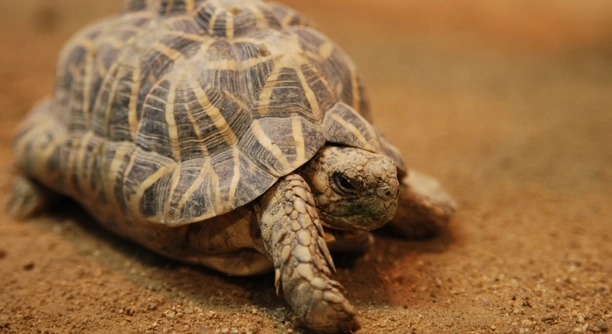
If your Indian star tortoise is losing weight, it’s important to address the issue right away. This could signal underlying health concerns that need attention. In this article, we’ll go over key steps to help your tortoise regain its health.
The first step is to assess the tortoise’s diet, habitat, and overall health. A sudden loss of weight could be due to improper diet, stress, or illness. Carefully monitoring these factors will help identify the cause of weight loss.
There are a variety of actions you can take to support your tortoise’s recovery. Identifying the cause and ensuring proper care is essential for its well-being.
1. Check the Diet for Nutritional Gaps
Your Indian star tortoise’s diet is one of the most important factors in its overall health. A poor or unbalanced diet can easily lead to weight loss. These tortoises primarily eat grasses, leaves, and some fruits, so ensuring these foods are varied and rich in nutrients is essential. Over-reliance on one food type, like fruits or vegetables, can create an imbalance. Additionally, calcium and vitamin D3 are crucial for shell health and overall well-being. Without proper supplementation, your tortoise could become weak or lose weight.
A proper diet should include high-fiber, low-protein foods. This helps keep the digestive system functioning properly. Add some variety to its meals, including dark leafy greens like collard greens or dandelion leaves.
It is also important to offer food that’s appropriate for its age. Hatchlings and juveniles require more protein than adult tortoises. Adjusting your tortoise’s diet as it matures ensures it receives the right amount of nutrients, preventing unnecessary weight loss and encouraging proper growth.
2. Create a Comfortable and Safe Habitat
Your tortoise’s environment plays a major role in its health. A stress-free, comfortable habitat will help it stay healthy and maintain a steady weight. If the temperature is too low, or if the habitat is too small or uncomfortable, your tortoise may not be able to properly digest food, leading to weight loss.
Make sure your tortoise has enough space to roam and explore. A larger enclosure mimics its natural environment and promotes activity. Keep the temperature within the appropriate range—about 80°F (27°C) during the day and 70°F (21°C) at night. Offering both a basking area and a cooler spot in the habitat allows your tortoise to regulate its body temperature effectively.
Proper humidity is just as important. Dry environments can cause dehydration, leading to health problems, including weight loss. A humidity level of 50-60% is ideal for Indian star tortoises. Regularly clean and disinfect the habitat to prevent the growth of harmful bacteria. A clean, safe environment helps your tortoise thrive.
3. Provide Proper UVB Lighting
UVB lighting is essential for your tortoise’s health. Without it, they may develop metabolic bone disease, which can lead to weight loss. UVB helps them absorb calcium from their diet, strengthening their bones and shell. Make sure to use high-quality UVB bulbs and replace them regularly.
Place the UVB light within 12-18 inches of your tortoise’s basking area. Keep it on for about 10-12 hours daily to simulate natural sunlight. Ensure the light provides the right amount of UVB; too little or too much can both be harmful.
If your tortoise has access to natural sunlight, it’s a good idea to let it bask outdoors for short periods during the day. Be mindful of the temperature and humidity when taking them outside. When indoors, the UVB light should be placed correctly to give your tortoise the benefits it needs.
4. Hydration is Key
Dehydration is a major reason why tortoises can lose weight. If your tortoise isn’t getting enough water, its body will begin to break down fat reserves to stay hydrated. Make sure to provide fresh water daily, and encourage drinking by using shallow water dishes.
Your tortoise may not always drink from a dish, so soaking it in lukewarm water for about 15-20 minutes every few days can help it stay hydrated. This practice also supports healthy digestion. Always monitor for signs of dehydration, such as lethargy or sunken eyes. If you notice these, act quickly to rehydrate your tortoise.
Additionally, misting the enclosure lightly can help maintain proper humidity levels. A well-hydrated tortoise will feel more energetic and is less likely to lose weight due to dehydration. Don’t overlook the importance of hydration—it’s crucial for your tortoise’s overall health.
5. Watch for Illness or Parasites
If your tortoise is losing weight, illness or parasites could be a factor. Parasites like worms can affect your tortoise’s digestive system, causing it to lose nutrients and weight. Look for signs like lethargy, lack of appetite, or diarrhea.
Visit a vet for a fecal test to check for internal parasites. If your tortoise has any, a deworming treatment will be necessary. A proper diagnosis will ensure your tortoise gets the right treatment to regain its weight and health.
Some infections or underlying health issues can also cause weight loss. A vet can help identify these problems early, so you can start treatment promptly.
6. Monitor Activity and Behavior
Your tortoise’s behavior can reveal important clues about its health. A drop in activity level or a change in its typical movements could be a sign of a bigger issue. If your tortoise is more lethargic than usual, it may be dealing with stress or an illness.
Watch for other changes in behavior, such as excessive hiding or refusal to eat. It’s important to take note of these changes early so you can address them quickly. Keeping a journal of your tortoise’s daily habits may help you spot patterns.
Changing activity levels could also be a sign that your tortoise isn’t comfortable with its environment, so pay attention to its habitat and how it interacts with it. A stressed tortoise may struggle with maintaining a healthy weight.
7. Be Patient and Consistent
When helping your tortoise regain weight, patience is key. It may take time for your tortoise to adjust to changes in its diet, habitat, or health care routine. Don’t expect quick results, but stay consistent with your care.
Regularly check its food intake, hydration, and environment to ensure everything is in line. Small, steady improvements will show over time. While the process can be slow, sticking to a routine and monitoring closely will help your tortoise get back on track.
FAQ
1. Why is my Indian star tortoise losing weight?
Weight loss in an Indian star tortoise can happen for several reasons. It could be due to an unbalanced diet, lack of UVB lighting, dehydration, or stress. Illnesses or parasites are other common causes. If you notice your tortoise losing weight, check for any signs of these factors. Make sure its habitat is appropriate, its diet is well-rounded, and it’s receiving proper care. If the weight loss continues, a vet visit is necessary to rule out health issues like parasites or infections.
2. How can I tell if my tortoise is dehydrated?
Signs of dehydration in tortoises include sunken eyes, dry skin, lethargy, and lack of appetite. If your tortoise isn’t drinking water or appears less active than usual, it could be dehydrated. You can test hydration by gently pressing on the skin; if it doesn’t return to normal immediately, dehydration might be the issue. Soaking your tortoise in lukewarm water for 15-20 minutes every few days can help keep it hydrated, but make sure its enclosure is also kept at the proper humidity level.
3. Can I feed my tortoise fruit to help it gain weight?
While fruit can be part of a tortoise’s diet, it should be given in moderation. Too much fruit can lead to an imbalance in its nutrition, as fruits are high in sugar and low in fiber. Focus on providing leafy greens like dandelion leaves, collard greens, and grasses, as these are more suitable for their digestive system. If your tortoise needs to gain weight, focus on offering high-fiber foods, and ensure it has access to the right nutrients, including calcium and vitamin D3.
4. What is the best temperature for my tortoise’s habitat?
Indian star tortoises thrive in warm environments. During the day, the temperature should be around 80°F (27°C) in most areas of the habitat, with a basking spot that reaches around 90-95°F (32-35°C). At night, the temperature can drop to around 70°F (21°C). Make sure your tortoise has a gradient of temperatures, allowing it to move between warmer and cooler areas for temperature regulation. Using a thermometer to monitor the temperature in your tortoise’s habitat is essential for its health and digestion.
5. Should I give my tortoise supplements?
Calcium and vitamin D3 supplements are highly recommended for tortoises, especially if they don’t get adequate UVB light. These supplements help prevent metabolic bone disease and ensure healthy shell and bone development. Dusting food with calcium powder a few times a week can provide the necessary amount. If your tortoise doesn’t have access to natural sunlight, it’s important to use a UVB light to help it absorb calcium properly. Always follow the instructions for supplements to avoid over-supplementation, which can cause other health issues.
6. How can I prevent parasites in my tortoise?
Parasites are a common concern for tortoises, especially if they are kept in unsanitary conditions. Make sure the habitat is cleaned regularly, removing any uneaten food, feces, and debris. You should also avoid collecting food from areas where wild animals have been. If you suspect your tortoise has parasites, a vet can conduct a fecal test to confirm the diagnosis and recommend a deworming treatment. Keeping your tortoise indoors or in a controlled environment reduces the risk of parasites from external sources.
7. What are the signs of metabolic bone disease in tortoises?
Metabolic bone disease (MBD) can cause severe health problems for tortoises, including weight loss. Signs of MBD include soft or deformed shells, difficulty moving, and weakness in the legs or limbs. If your tortoise is not receiving proper UVB light or calcium in its diet, it may develop MBD. To prevent this, ensure your tortoise gets enough UVB exposure and calcium, either through food or supplements. If you suspect MBD, a vet will be able to diagnose and provide appropriate treatment.
8. How long does it take for a tortoise to gain weight?
The amount of time it takes for a tortoise to regain lost weight depends on the cause of the weight loss. If the cause is diet-related, and you adjust its food intake, it may take a few weeks to notice changes. If the weight loss is due to illness or parasites, it may take longer and require a vet’s intervention. Consistency in providing proper care, hydration, and nutrition will help your tortoise recover its health over time. Patience is important, as it can take a while for the weight to return.
9. Can stress cause weight loss in tortoises?
Yes, stress can lead to weight loss in tortoises. Stress factors include an improper habitat (like incorrect temperature or humidity), overcrowding, a lack of hiding spots, or even loud noises. Stress can also be caused by handling too much or not providing a safe, quiet environment for your tortoise to rest. A stressed tortoise may stop eating and lose weight. Reducing stress by offering a quiet, stable environment and minimizing handling can help your tortoise regain weight.
10. How do I know if my tortoise’s enclosure is too small?
An enclosure that’s too small can lead to stress and weight loss, as your tortoise may feel confined and uncomfortable. If your tortoise is not moving around much, showing signs of lethargy, or spending most of its time hiding, it could be an indicator that its space is inadequate. Ideally, the enclosure should provide enough space for your tortoise to roam and explore. It should have a basking area, hiding spots, and both warm and cool zones for temperature regulation. A larger space encourages more movement and a healthier tortoise.
Final Thoughts
Taking care of an Indian star tortoise requires attention to detail, especially when it comes to maintaining its weight. If your tortoise is losing weight, it’s important to look at various factors like diet, habitat, hydration, and potential health issues. The first step is to check that the diet is balanced with the right mix of fiber, calcium, and nutrients. Tortoises require specific foods to stay healthy, and an improper diet can quickly lead to weight loss. Offering variety in its meals, focusing on dark leafy greens, and limiting high-sugar foods will help maintain a healthy weight.
Another crucial element is providing a suitable habitat. If your tortoise is uncomfortable in its environment, it may become stressed and lose weight. Temperature and humidity play a big role in keeping your tortoise healthy, as well as offering enough space to roam and explore. UVB lighting is also essential for digestion and bone health, so make sure the enclosure is properly lit. Maintaining a clean habitat and offering regular opportunities to bask can help your tortoise feel secure and happy.
Lastly, it’s essential to monitor your tortoise closely. Pay attention to its activity levels, behavior, and overall health. If the weight loss continues despite addressing diet and habitat, a visit to the vet may be necessary to rule out illness or parasites. Regular checks will ensure that your tortoise is on track to stay healthy and prevent further issues. By providing the right care, patience, and consistency, your tortoise can regain its health and thrive in its environment.

Hello,
If you enjoy the content that we create, please consider saying a "Thank You!" by leaving a tip.
Every little bit helps us continue crafting quality advice that supports the health, happiness, and well-being of pets around the world, for pets of all shapes, sizes, and species.
We really appreciate the kindness and support that you show us!