
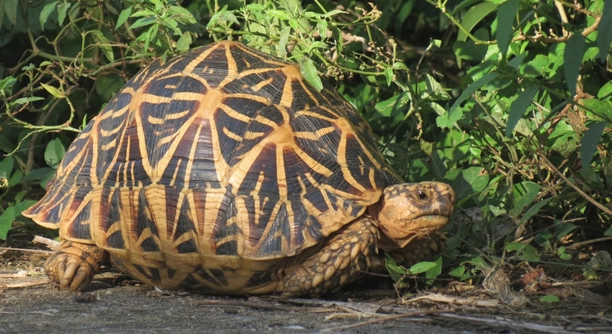
Shell rot in Indian Star Tortoises can be a serious issue, affecting their health and well-being. This condition can develop due to poor habitat, inadequate care, or underlying health problems. Understanding the causes and remedies is key to effective treatment.
Shell rot is a common condition in Indian Star Tortoises, often caused by poor humidity, unsanitary conditions, or fungal and bacterial infections. Treatment includes maintaining proper hygiene, adjusting environmental factors, and applying topical treatments to promote healing and prevent further damage.
By addressing these causes and implementing the right remedies, you can help ensure your tortoise recovers and thrives.
Understanding the Causes of Shell Rot in Indian Star Tortoises
Shell rot in Indian Star Tortoises is typically caused by poor environmental conditions. If your tortoise’s habitat is too humid or too dry, it can lead to fungal or bacterial infections. Poor substrate, inadequate cleaning, and the use of dirty water can also contribute to the condition. Over time, improper lighting or insufficient UVB exposure weakens the shell, making it more prone to infections. Additionally, a tortoise with a compromised immune system due to poor nutrition or stress may be more susceptible to developing shell rot.
Prevention is key to maintaining a healthy tortoise. Keeping their environment clean and ensuring proper lighting and humidity levels can go a long way in preventing this issue. Also, providing a balanced diet will help strengthen their immune system and overall health.
By recognizing these risk factors early on, you can take steps to create a safer and healthier living environment for your tortoise. Proper care will help avoid shell rot and other potential health problems.
How to Identify Shell Rot in Indian Star Tortoises
Shell rot is not always immediately obvious. It may start with small patches of soft, discolored areas on the shell. These areas may have a slight odor, and the shell might appear to be breaking down or become more fragile. As the infection progresses, the damage can become more severe, leading to deeper lesions and possible structural damage. If you notice your tortoise becoming less active or showing signs of discomfort when moving, it’s important to examine the shell carefully for any signs of rot.
A thorough inspection is necessary to catch it early. Clean the shell with water, and look for any changes in texture or color. If you spot any suspicious areas, seeking a veterinarian’s advice is the next crucial step.
Tortoises are resilient, but their shells are sensitive. Keeping a close eye on their health will ensure timely treatment before things escalate. Early intervention is always beneficial.
Remedies for Treating Shell Rot in Indian Star Tortoises
The first step in treating shell rot is proper cleaning. Gently wash the affected area using a mild antiseptic solution to remove any dirt and bacteria. Once the shell is clean and dry, it’s time to apply a topical treatment. Antifungal or antibacterial ointments are commonly used to treat the infection. Ensure the ointment is applied directly to the damaged areas, following the instructions on the label.
In addition to topical treatments, maintaining a stable, clean environment is critical. Adjust the humidity, lighting, and temperature to prevent further infections. It’s important to regularly check the tortoise’s shell for any new signs of damage and to provide a healthy diet rich in vitamins and minerals.
While at-home care can help, it is still essential to consult with a veterinarian for a professional diagnosis and treatment plan. Severe cases may require antibiotics or more intensive treatments.
Keeping Your Tortoise’s Habitat Clean
A clean habitat is essential for preventing shell rot. Regularly change the bedding, remove waste, and clean water bowls to minimize bacteria growth. Make sure the enclosure is free of mold and mildew, which can worsen shell rot. A clean environment helps keep your tortoise’s shell healthy.
To maintain cleanliness, consider spot cleaning daily, especially in areas where your tortoise spends most of its time. At least once a week, perform a more thorough cleaning by replacing substrate and disinfecting the entire habitat. This routine will help reduce the risk of infections and ensure your tortoise stays healthy.
Avoid using harsh chemicals in the cleaning process as they can irritate the tortoise’s skin and shell. Opt for safe, non-toxic cleaning agents designed specifically for reptile enclosures. Consistent maintenance of their habitat can prevent the onset of shell rot and other health issues.
Proper Lighting and UVB Exposure
UVB lighting is crucial for your tortoise’s health. It helps them absorb calcium, which strengthens their shell and bones. Without proper UVB exposure, your tortoise’s shell may weaken, making it more vulnerable to rot. Ensure the light source is placed correctly and provides the necessary UVB output.
Check your UVB light regularly to ensure it’s working properly. Over time, bulbs lose their effectiveness, so replacing them every six months is recommended. Also, make sure your tortoise has access to natural sunlight or high-quality artificial lighting for at least 10-12 hours a day. This is vital for both their physical and immune health.
Avoid placing your tortoise’s habitat in direct sunlight for extended periods as this can cause overheating. Instead, provide balanced lighting with access to shaded areas where they can rest and cool down when needed. Proper lighting supports a healthy immune system and reduces the chances of shell rot.
Maintaining Proper Humidity Levels
Humidity plays a significant role in preventing shell rot. Too much moisture or too little can lead to shell damage. Use a hygrometer to monitor humidity levels and adjust accordingly. The ideal range for Indian Star Tortoises is between 50-70%.
Too high humidity levels can encourage fungal growth, while low humidity may cause the shell to dry out and crack. If the air is too dry, consider using a humidity dome or misting the enclosure regularly to maintain the right moisture level.
Keeping humidity levels balanced ensures your tortoise remains healthy and their shell stays strong and intact.
Providing a Balanced Diet
A balanced diet is crucial in supporting a healthy shell. Include a variety of leafy greens, vegetables, and fruits. Offer calcium-rich foods like kale, dandelion greens, and calcium supplements to promote strong shell growth.
Overfeeding sugary fruits can lead to weight gain and health problems. Make sure your tortoise gets a well-rounded diet with proper vitamins and minerals. This boosts their immune system, making them less susceptible to shell rot. The right nutrients can help speed up the healing process if shell rot does occur.
Avoiding Stress in Your Tortoise
Stress is a major factor that weakens a tortoise’s immune system, making them more vulnerable to infections like shell rot. Ensure your tortoise has a quiet, secure space where they feel safe. Avoid frequent handling, and allow them to explore and move freely.
Maintaining a stress-free environment promotes better health and reduces the risk of developing infections. Keep the temperature stable and offer hiding spots in their enclosure for a sense of security. This helps them stay calm and supports their immune system.
FAQ
What are the first signs of shell rot in Indian Star Tortoises?
The first signs of shell rot in Indian Star Tortoises include soft spots, discoloration, or visible holes in the shell. These areas may appear darker or lighter than the surrounding shell. There might also be an unpleasant odor coming from the affected area, which can indicate infection. Early intervention is important to prevent the rot from spreading further.
Can shell rot heal on its own without treatment?
Shell rot will not heal on its own without proper treatment. If left untreated, the infection can worsen, leading to deeper damage to the shell, which may become irreversible. Timely care, including cleaning the affected area, applying appropriate treatments, and maintaining a clean and stable habitat, is essential for recovery.
How do I clean a tortoise’s shell if it has shell rot?
To clean a tortoise’s shell with shell rot, use a mild antiseptic solution and a soft cloth to gently wipe the affected areas. Avoid harsh chemicals, as they can irritate the shell. After cleaning, dry the shell thoroughly before applying any medication or ointments. If the infection is severe, seek professional help.
What treatments are used to treat shell rot?
Treatment for shell rot often involves using antifungal or antibacterial ointments to heal the affected areas. In some cases, a veterinarian may prescribe antibiotics if the infection is bacterial. Ensuring proper humidity, temperature, and lighting is also crucial in supporting recovery. Regular cleaning of the tortoise’s habitat is essential to prevent reinfection.
Can shell rot spread to other tortoises in the same enclosure?
Yes, shell rot can spread to other tortoises if they share the same enclosure. Bacteria or fungi from the infected tortoise can contaminate the environment. It’s crucial to isolate the infected tortoise and clean the habitat thoroughly before reintroducing other tortoises. Regular monitoring of all tortoises is important to detect any early signs of infection.
How can I prevent shell rot in my Indian Star Tortoise?
Preventing shell rot requires maintaining a clean and hygienic environment with proper humidity and temperature levels. Regularly clean the enclosure and replace substrate as needed. Ensure that the tortoise has access to a balanced diet and sufficient UVB light. Avoid overhandling the tortoise and provide a stress-free environment to boost their immune system.
How often should I check my tortoise for signs of shell rot?
It’s a good idea to check your tortoise for signs of shell rot at least once a week. Look for any changes in the shell’s appearance, texture, or odor. Early detection allows for quicker intervention and better chances for recovery. Regular health checks will help you spot potential issues before they become serious.
What type of substrate is best for preventing shell rot?
A clean and dry substrate is important for preventing shell rot. Use natural, absorbent materials like coconut coir, aspen, or cypress mulch. Avoid using substrates that retain moisture too long, such as peat moss, which can create a damp environment that promotes bacterial growth. Regularly clean the substrate to prevent mold and bacterial buildup.
How does diet affect shell health?
A well-balanced diet plays a key role in shell health. Providing calcium-rich foods like leafy greens, dandelion greens, and adding calcium supplements to their diet helps to strengthen their shell. Vitamin A and vitamin D are also important for overall health and immune function. A healthy diet supports your tortoise’s ability to recover from shell rot and prevents it from occurring in the first place.
Can shell rot cause permanent damage to my tortoise’s shell?
If left untreated for too long, shell rot can cause permanent damage to your tortoise’s shell. In severe cases, the infection can penetrate deeper layers of the shell, leading to deformities or permanent weakening. This can affect the tortoise’s ability to move properly. Early treatment is vital to prevent long-term damage.
Is it okay to use home remedies for shell rot?
While some home remedies, like using diluted iodine or salt water, may help in mild cases, it’s best to seek professional veterinary care for any signs of shell rot. A veterinarian can prescribe appropriate antifungal or antibacterial treatments to ensure proper healing. Home remedies should not replace professional care if the condition worsens.
How can I ensure my tortoise’s shell stays strong?
To maintain a strong shell, it’s important to provide a proper diet rich in calcium and vitamin D, ensure they have access to UVB light, and maintain a clean and stable habitat. Regular exercise, along with a stress-free environment, will also help support shell health. Regular checks will ensure early intervention if any issues arise.
Final Thoughts
Shell rot in Indian Star Tortoises is a serious condition that requires attention and care. It can develop slowly and may not be immediately noticeable, so it’s important to stay vigilant with regular checks. Maintaining a clean, dry, and properly humidified environment is key to preventing shell rot. Tortoises are sensitive to their surroundings, and keeping their habitat at optimal conditions will help prevent many health issues, including shell rot. A proper diet rich in calcium and vitamins also plays a crucial role in keeping their shell strong and healthy.
If you notice any signs of shell rot, it’s essential to address it promptly. Early treatment can help prevent the infection from spreading or worsening, potentially saving your tortoise from more serious issues. Cleaning the affected areas and applying suitable treatments can often help the shell heal. However, if the infection is severe, it’s best to consult with a veterinarian for more specialized care. Avoid using harsh chemicals or treatments without proper advice, as this can make the situation worse.
Prevention is always better than cure when it comes to shell rot. Regular maintenance of your tortoise’s environment and health will reduce the chances of shell rot and other common health problems. By staying proactive with habitat cleanliness, humidity control, and diet, your tortoise will have a much better chance of staying healthy and avoiding shell rot in the future. Taking the time to monitor your tortoise and make adjustments to their care as needed can ensure a long, healthy life for your pet.

Hello,
If you enjoy the content that we create, please consider saying a "Thank You!" by leaving a tip.
Every little bit helps us continue crafting quality advice that supports the health, happiness, and well-being of pets around the world, for pets of all shapes, sizes, and species.
We really appreciate the kindness and support that you show us!