
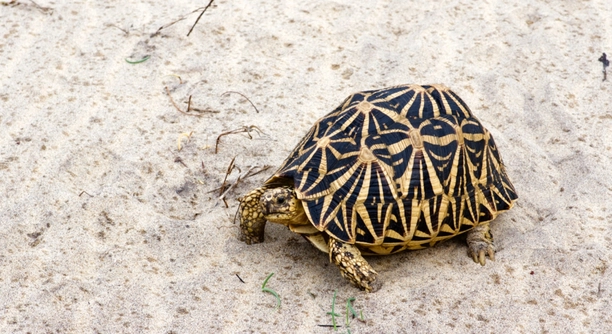
Is your Indian star tortoise showing unusual behavior, making you wonder if it is about to lay eggs? Recognizing the signs early can help you create a safe and comfortable environment for your tortoise during this crucial time.
A gravid Indian star tortoise may exhibit restlessness, reduced appetite, frequent digging, and increased basking. Additionally, she might become more defensive, display excessive movement, or attempt to escape her enclosure. These behaviors indicate she is preparing to lay eggs soon.
Understanding these signs allows you to take necessary precautions, ensuring your tortoise remains stress-free. Providing the right nesting conditions will contribute to a successful egg-laying process.
Signs of an Egg-Laying Indian Star Tortoise
A gravid Indian star tortoise often becomes restless, frequently moving around her enclosure and trying to escape. She may dig persistently, searching for a suitable nesting spot. Changes in appetite are common, with some tortoises eating less or refusing food altogether. Increased basking and defensive behavior, such as withdrawing into her shell more often, can also indicate she is preparing to lay eggs. Additionally, her body shape may appear slightly swollen, especially near the hind legs. These signs usually appear days or weeks before egg-laying, making it essential to monitor her closely.
If you notice these behaviors, provide a quiet and secure space for her. Reducing stress is important during this period, as excessive disturbances can delay egg-laying. Make sure she has access to a warm and humid environment that mimics natural nesting conditions.
A proper nesting area should include loose, moist soil or sand where she can dig. The substrate should be deep enough to allow her to bury the eggs safely. Keep the enclosure temperature stable, ensuring it remains warm without becoming too hot. Hydration is also essential, so fresh water should always be available. Providing these conditions can help her lay eggs successfully without complications.
Creating the Perfect Nesting Environment
A suitable nesting area is crucial for a smooth egg-laying process. Without proper conditions, she may become stressed or retain her eggs, which can lead to health issues. The nest should replicate natural settings, encouraging her to lay eggs comfortably.
Use a mix of soil and sand that retains moisture but is not too wet. The substrate should be at least six inches deep to allow for proper digging. Position the nesting area in a warm section of the enclosure, ideally near a heat source. Maintaining a temperature of around 85–90°F helps simulate natural conditions. A slight humidity increase can also aid the process, so occasional misting may be beneficial.
Minimizing disturbances is essential during this time. Avoid handling her unless necessary, and keep noise levels low. If she struggles to lay eggs after showing all the usual signs, consulting a reptile veterinarian is advisable. Timely intervention can prevent complications such as egg binding. By creating a safe and comfortable nesting environment, you can support your tortoise through this important stage.
Monitoring Your Tortoise’s Behavior
Unusual movements, such as pacing or repeated attempts to climb enclosure walls, can indicate she is preparing to lay eggs. Digging becomes more frequent, especially in one specific spot. She may also show signs of discomfort, like stretching her hind legs or shifting her weight frequently.
Observing her eating habits is important. Some tortoises lose interest in food as they focus on nesting, while others continue eating but at a slower pace. Basking for extended periods helps regulate body temperature, which is necessary for egg development. Defensive behavior, like hissing or withdrawing into her shell more than usual, can also occur. These changes suggest that egg-laying may happen soon.
Keeping a daily record of her behavior can be helpful. Noting when she starts digging, how often she moves, and any changes in appetite allows you to track her progress. A sudden stop in nesting behavior may indicate stress or complications. If she shows signs of distress, like straining without success, veterinary assistance may be necessary. Providing a calm and stable environment will make her feel safe and encourage a smooth egg-laying process.
Ensuring Proper Hydration and Nutrition
Hydration plays a vital role in egg development. Fresh water should always be available, and occasional warm soaks can help prevent dehydration. Dehydrated tortoises may struggle with egg-laying, leading to complications. A shallow water dish allows easy access without the risk of drowning.
A well-balanced diet supports her health during this period. Dark leafy greens, calcium-rich foods, and occasional fruits provide essential nutrients. Calcium is particularly important because it strengthens eggshells and prevents deficiencies. Without enough calcium, eggs may develop weak shells, making them prone to breaking. A calcium supplement, such as cuttlebone or powdered calcium, can be beneficial.
High-quality protein sources, like occasional insects or pellets formulated for tortoises, can also support her during this time. Feeding small portions more frequently may help if her appetite decreases. Adjusting her diet based on her energy levels ensures she stays strong throughout the process. Keeping her well-hydrated and nourished reduces stress and promotes healthy egg development.
Recognizing Signs of Egg Binding
If she strains repeatedly without laying eggs, she may be experiencing egg binding. Prolonged restlessness, weakness, or loss of appetite can also indicate a problem. A swollen abdomen and visible discomfort when moving suggest she is struggling to pass the eggs.
Delays in egg-laying can be dangerous. Lack of proper nesting conditions, dehydration, or calcium deficiency can cause egg retention. If she stops trying to dig but still shows distress, veterinary care is necessary. A specialist can provide treatment to help her lay eggs safely and prevent further health issues.
When to Seek Veterinary Assistance
If she has not laid eggs despite showing all the usual signs, a veterinarian should evaluate her condition. X-rays or ultrasounds can confirm whether eggs are stuck. In some cases, medication or assisted egg removal may be required to prevent severe complications. Early intervention ensures a safe outcome.
Supporting Recovery After Egg-Laying
After laying eggs, she may be exhausted and need extra care. Providing fresh water and a nutrient-rich diet helps her regain strength. A warm and quiet environment reduces stress and allows her to recover comfortably. Monitoring her behavior ensures she remains healthy in the days following egg-laying.
FAQ
How long does it take for an Indian star tortoise to lay eggs?
Once she starts digging a nest, the actual egg-laying process usually takes a few hours. However, from the time she shows nesting behavior to the moment she lays eggs, it can take several days or even weeks. Environmental conditions, stress levels, and health all play a role in timing.
How many eggs does an Indian star tortoise lay at a time?
A single clutch usually contains between two and ten eggs. Some tortoises may lay fewer eggs, while others can produce slightly more. The number depends on her age, health, and overall reproductive cycle. She may lay multiple clutches in one breeding season, typically spaced a few weeks apart.
What temperature should the enclosure be for egg-laying?
The nesting area should be kept between 80°F and 90°F. Maintaining consistent warmth encourages her to lay eggs and ensures they develop properly. A slight drop in nighttime temperatures is natural, but extreme fluctuations can disrupt the process. Using a heat lamp or under-tank heating pad helps maintain a stable environment.
How deep should the nesting area be?
A depth of at least 6 to 8 inches is necessary for her to dig a proper nest. In the wild, tortoises dig deep burrows to protect their eggs, so providing a loose, sandy substrate allows her to mimic natural nesting behavior. If the substrate is too shallow, she may not feel comfortable laying her eggs.
What should I do if my tortoise refuses to lay eggs?
If she appears restless but does not lay eggs, check her enclosure conditions. The nesting area should be warm, soft, and deep enough for digging. If she still refuses, she may be experiencing stress or egg retention. In such cases, a veterinarian should examine her for potential complications.
How long do Indian star tortoise eggs take to hatch?
The incubation period typically lasts between 90 and 150 days. Temperature and humidity levels influence how quickly the eggs develop. Higher temperatures result in shorter incubation times, while cooler conditions extend the process. Regular monitoring helps ensure a successful hatch rate.
Can I incubate the eggs myself?
Yes, but the conditions must be carefully controlled. A reptile egg incubator set to 84°F–88°F with around 75% humidity provides the best chances for hatching. The eggs should not be rotated, and any sudden changes in temperature or moisture levels can impact their development.
How do I know if the eggs are fertile?
After a few weeks, candling the eggs with a small flashlight can reveal signs of development. Fertile eggs show visible veins and a growing embryo, while infertile ones remain clear or develop mold. Not all eggs will be viable, so monitoring them helps determine which ones have a chance of hatching.
What happens if an egg cracks?
A cracked egg may still hatch if the damage is minimal. Sealing the crack with a thin layer of non-toxic glue or wax can prevent infection. However, if the egg leaks fluid or develops mold, it is unlikely to survive. Careful handling minimizes the risk of damage.
Should I remove the eggs from the enclosure?
If the enclosure does not provide stable conditions, moving the eggs to an incubator is recommended. However, they must be kept in the same position they were laid. Marking the top of each egg with a pencil helps maintain proper orientation during transfer.
What should I feed my tortoise after she lays eggs?
Calcium-rich foods like cuttlebone, dark leafy greens, and supplements help replenish lost nutrients. She may also benefit from extra hydration, so providing fresh water and occasional warm soaks supports her recovery. A balanced diet with proper vitamins and minerals ensures she regains strength.
Can an Indian star tortoise lay eggs without mating?
Yes, but the eggs will be infertile and will not hatch. Female tortoises can still go through the egg-laying process without a male. Infertile eggs should be removed once she is finished nesting to prevent rotting or attracting pests.
How can I make my tortoise feel comfortable while laying eggs?
A quiet and undisturbed environment helps her feel safe. Reducing foot traffic and loud noises near her enclosure can prevent stress. Offering a warm, soft nesting area with proper lighting encourages her to lay eggs without hesitation. Patience and observation ensure she has the support she needs.
Final Thoughts
Caring for an Indian star tortoise requires patience and attention, especially during the egg-laying process. Providing the right environment, with proper temperature, humidity, and nesting conditions, ensures a smooth experience for the tortoise. Recognizing signs of distress or complications helps prevent health issues. If a female tortoise struggles to lay her eggs, making adjustments to her habitat or seeking veterinary help can make a difference. Consistent monitoring and proper care contribute to her overall well-being, keeping her healthy before, during, and after egg-laying.
Egg incubation is another important aspect of breeding Indian star tortoises. Whether eggs remain in the enclosure or are transferred to an incubator, maintaining stable temperature and humidity is essential. Fertility checks, gentle handling, and preventing sudden environmental changes improve hatching success. Some eggs may not be viable, but close observation allows for early identification of potential issues. Once hatchlings emerge, they require a warm, safe environment with proper nutrition and hydration to support their growth.
Long-term care involves more than just managing egg-laying and incubation. A balanced diet, appropriate lighting, and a spacious enclosure contribute to a tortoise’s overall health. Regular check-ups and close observation help detect any changes in behavior or physical condition. Every tortoise has unique needs, so understanding its habits and adjusting care accordingly ensures a comfortable life. With proper support, Indian star tortoises can thrive, remaining active and healthy for many years.

Hello,
If you enjoy the content that we create, please consider saying a "Thank You!" by leaving a tip.
Every little bit helps us continue crafting quality advice that supports the health, happiness, and well-being of pets around the world, for pets of all shapes, sizes, and species.
We really appreciate the kindness and support that you show us!