
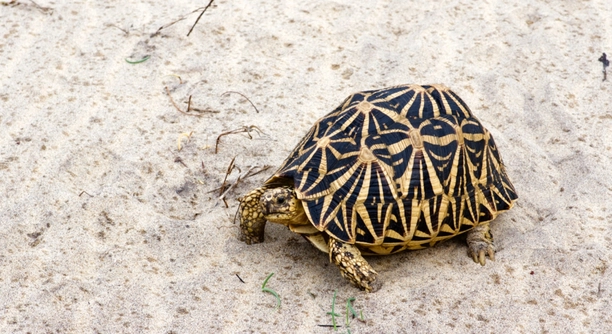
Caring for your Indian Star Tortoise requires attention to their health and well-being. Being aware of the signs that your pet may be sick can help you act quickly and provide the best care possible.
Recognizing if your Indian Star Tortoise is sick is vital for preventing further harm. Key symptoms of illness include lack of appetite, lethargy, abnormal behavior, or changes in the shell. These signs should not be ignored, and veterinary attention is essential.
Understanding the signs of illness early can make a big difference in your tortoise’s recovery. By learning how to spot these symptoms, you’ll be better equipped to keep your pet happy and healthy.
Loss of Appetite
If your Indian Star Tortoise stops eating, it’s a red flag. Healthy tortoises are usually active feeders, enjoying leafy greens and vegetables. When your pet loses interest in food, it can signal underlying issues such as stress, infection, or digestive problems.
Loss of appetite can result from changes in their environment, such as temperature fluctuations or changes in lighting. If the enclosure isn’t warm enough, it may affect digestion, leading to a decrease in food intake. A lack of essential nutrients or overfeeding could also cause an upset stomach, making eating unappealing.
If your tortoise refuses food for more than a few days, it’s time to consider seeking help from a vet. Prolonged refusal to eat can cause dehydration, further weakening your tortoise. Keep an eye on the environment, offering a variety of food, and ensure there’s a balance between temperatures, humidity, and light. If you’ve ruled out external factors and it’s still a problem, consult a professional for guidance.
Lethargy
Lethargy in tortoises means they are unusually inactive or slow to respond. This can be due to various factors, including illness or improper care.
Tortoises need proper lighting, temperature, and humidity to stay healthy. If they aren’t getting these things, it could cause them to become lethargic. Additionally, stress from an uncomfortable environment, such as loud noises or too much handling, can make them more tired than usual. If this persists, it’s important to assess their living conditions and make adjustments.
Tortoises are cold-blooded, so temperature is one of the most crucial factors. When temperatures drop too low, they tend to slow down, affecting their energy levels and mobility. Ensure your tortoise’s habitat is heated correctly to maintain optimal body temperature. Check that your pet is getting enough exposure to UVB light, which also impacts their energy. If the lethargy continues, a vet visit can help pinpoint other possible health issues, such as infection or parasites.
Abnormal Shell Appearance
If you notice any changes in your tortoise’s shell, like soft spots, cracks, or discoloration, it could be a sign of illness. The shell is a protective part of their body, and any change can indicate something is wrong.
Shell issues are often related to improper nutrition or living conditions. A diet lacking calcium, for example, can lead to a softening of the shell, making it more vulnerable to injury. Additionally, inadequate UVB light can prevent your tortoise from properly absorbing calcium, further contributing to shell problems.
Keeping your tortoise’s habitat clean and providing a balanced diet will help maintain a healthy shell. If you spot any abnormalities like softening or discoloration, it’s best to consult a vet immediately. The sooner you address shell issues, the better the chances for recovery. Ensure that the enclosure has appropriate temperatures, humidity, and access to sunlight to avoid further damage to the shell.
Changes in Breathing Patterns
Difficulty breathing or noticeable changes in your tortoise’s breathing patterns can be concerning. Rapid or labored breathing is not typical and could signal respiratory issues or infection.
Respiratory infections are common in tortoises, especially when they are exposed to damp or cold conditions. These infections can cause wheezing, nasal discharge, or mouth breathing, all of which indicate something is wrong. Poor ventilation in their enclosure may worsen these problems, trapping humidity and encouraging bacterial growth.
If you notice any signs of difficulty breathing, make sure your tortoise is in a warm, dry environment with good airflow. Avoid sudden temperature changes and ensure their enclosure is clean. If the symptoms persist, it’s important to consult a veterinarian who specializes in reptiles to address the infection before it becomes more severe.
Abnormal Behavior
If your tortoise begins acting differently, it could be a sign of something wrong. This includes hiding more than usual, aggression, or excessive movement.
Tortoises are creatures of habit, so when their behavior changes, it’s important to investigate. Stress from environmental changes, overhandling, or illness can cause unusual behaviors. Keep an eye on any shifts in activity or temperament to ensure your tortoise is comfortable and healthy.
Swollen Eyes
Swelling around your tortoise’s eyes can be a sign of an infection or injury. It’s important to look for discharge or redness as well.
Swollen eyes can be linked to respiratory infections or poor hygiene in the enclosure. Make sure to maintain clean living conditions and avoid drafts that can cause respiratory problems. If the swelling doesn’t go away on its own, seeking help from a vet can prevent further complications.
Limping or Difficulty Moving
If your tortoise is limping or having trouble moving, it may have sustained an injury or be dealing with a more serious health issue.
Injuries like fractures can occur if your tortoise falls or is handled roughly. Limping could also signal problems with the bones or joints, possibly due to calcium deficiency or metabolic bone disease. Providing a balanced diet with enough calcium and proper lighting can help prevent such conditions. If you notice these symptoms, it’s essential to consult a vet for a thorough examination and appropriate treatment.
FAQ
What are the signs that my Indian Star Tortoise is stressed?
Stress in tortoises can manifest in several ways. If your tortoise is eating less, becoming more aggressive, or hiding more than usual, stress could be the cause. Environmental changes, such as moving to a new habitat, noise, or overhandling, can trigger stress. Keep their living conditions stable, provide a quiet environment, and minimize excessive handling to reduce stress.
How can I tell if my tortoise is dehydrated?
Signs of dehydration include sunken eyes, dry or flaky skin, and a lack of appetite. You might also notice your tortoise becoming more lethargic than usual. To keep your tortoise hydrated, offer fresh water daily and mist the enclosure to maintain humidity. Soaking your tortoise in lukewarm water for 10–15 minutes can also help.
What should I do if my tortoise’s shell starts to crack or show damage?
A cracked or damaged shell is serious and should be addressed immediately. A crack can be caused by physical trauma or poor shell health due to inadequate calcium intake. To prevent further damage, ensure your tortoise’s diet includes proper calcium and vitamin D3, and provide access to UVB lighting. If a crack occurs, it’s important to consult a veterinarian to prevent infection and other complications.
How do I know if my tortoise is getting the right amount of calcium?
A healthy tortoise needs calcium to maintain strong bones and shell health. If your tortoise has a soft or deformed shell, it could indicate a calcium deficiency. Provide calcium supplements, either in powdered form or through calcium-rich foods like leafy greens, and ensure proper UVB exposure. If you’re unsure, a vet can perform tests to confirm if your tortoise is getting enough calcium.
Is it normal for my tortoise to sleep a lot?
Tortoises can sleep a lot, especially during cooler months when they may go into a form of hibernation. However, if your tortoise is excessively sleepy or lethargic in warmer months, it could be a sign of illness or an improper habitat. Check the temperature and humidity in the enclosure to ensure it’s suitable for your tortoise’s needs. If the behavior continues, a vet checkup is advisable.
What are the causes of shell rot in tortoises?
Shell rot is typically caused by a bacterial or fungal infection, often due to prolonged exposure to wet conditions. To prevent shell rot, make sure your tortoise’s enclosure has proper ventilation, is kept dry, and is cleaned regularly. If you notice any soft, discolored spots on the shell, consult a vet for treatment to prevent further infection.
How do I provide the right lighting for my Indian Star Tortoise?
Tortoises need both UVA and UVB light to stay healthy. UVA helps with general well-being and activity, while UVB light is necessary for calcium absorption and shell health. Provide a UVB light bulb specifically designed for reptiles, and ensure it’s in the correct position in their enclosure. Replace the bulb every 6 months, as the UVB radiation diminishes over time, even if the bulb still lights up.
Can my tortoise eat fruit?
While tortoises can eat fruit occasionally, it should only be given as a treat. Too much fruit can cause digestive issues because it’s high in sugar. Stick to a diet primarily made up of leafy greens, grasses, and vegetables. Fruits like strawberries, apples, and melons can be offered in moderation to provide variety.
How often should I feed my Indian Star Tortoise?
Young tortoises require daily feeding, while adults can be fed every other day. Their diet should consist mainly of leafy greens, grasses, and some vegetables. Avoid feeding them too many high-protein foods, as this can cause health issues. Adjust feeding frequency based on age, activity level, and health needs.
What is the best temperature for my tortoise’s enclosure?
The ideal temperature range for an Indian Star Tortoise is between 80-90°F (27-32°C) during the day. You should also provide a basking spot that’s slightly warmer, around 95°F (35°C). At night, temperatures can drop to around 70°F (21°C). Make sure to provide a gradient of temperatures within the enclosure so your tortoise can choose the area that feels most comfortable.
How do I know if my tortoise is suffering from a respiratory infection?
Respiratory infections are common in tortoises and can be recognized by symptoms such as wheezing, nasal discharge, or difficulty breathing. If your tortoise is breathing through its mouth or has swollen eyes, it may have an infection. Ensure the habitat is warm and dry, with proper ventilation. If symptoms persist, seek veterinary care as respiratory infections can worsen without treatment.
What should I do if my tortoise isn’t moving or eating?
If your tortoise isn’t moving or eating, it could indicate illness, stress, or improper living conditions. First, check the temperature, humidity, and cleanliness of the enclosure. If everything seems normal and the symptoms continue, consult a vet to rule out any medical conditions. A lack of movement and appetite should not be ignored, as it can lead to more severe health issues.
Taking care of an Indian Star Tortoise requires paying close attention to their behavior, eating habits, and overall health. These tortoises can live long, happy lives if they are provided with the right environment and care. Knowing how to spot the early signs of illness or discomfort is essential in ensuring your tortoise remains healthy. Whether it’s monitoring their shell, observing changes in behavior, or making sure their diet is balanced, small changes in their routine can signal bigger health issues.
Keeping your tortoise’s habitat clean and comfortable is just as important as offering them the right food and care. Make sure the temperature and humidity levels are appropriate for their species, and provide them with both UVA and UVB light to help them absorb nutrients properly. A consistent feeding routine, along with fresh water, ensures that your tortoise receives the necessary vitamins and minerals. Regularly check for any signs of illness, like abnormal shell changes or unusual behavior, and be ready to act quickly if needed. These proactive steps can help prevent many health issues before they become serious.
If you’re ever unsure about your tortoise’s health, don’t hesitate to consult a veterinarian. Reptiles, including Indian Star Tortoises, can be sensitive to changes in their environment or diet, and a professional can provide the guidance you need to address any health concerns. Early intervention is often key to treating illness, so it’s essential to act quickly if you notice any concerning symptoms. With the right care, your tortoise will have a long, healthy life.

Hello,
If you enjoy the content that we create, please consider saying a "Thank You!" by leaving a tip.
Every little bit helps us continue crafting quality advice that supports the health, happiness, and well-being of pets around the world, for pets of all shapes, sizes, and species.
We really appreciate the kindness and support that you show us!