
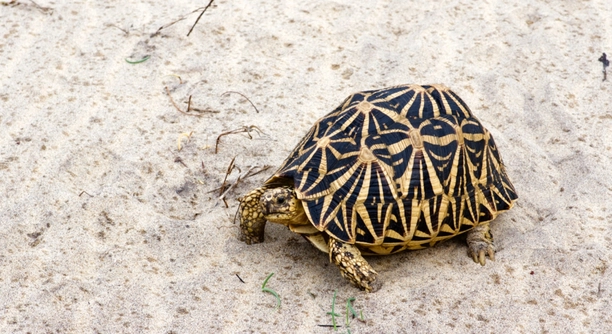
Handling an Indian Star Tortoise requires some knowledge of their needs to keep them healthy and happy. These beautiful creatures make wonderful pets, but it’s essential to understand how to care for them properly.
To safely handle an Indian Star Tortoise, it is important to support their body properly and avoid sudden movements. Always wash your hands before and after handling to prevent spreading bacteria and ensure their safety.
By following these simple tips, you’ll be on your way to providing the best care for your tortoise. Understanding their specific needs helps create a comfortable and secure environment for them to thrive.
Understanding the Indian Star Tortoise’s Unique Needs
Indian Star Tortoises are distinctively beautiful with their star-patterned shells, and their care requires a bit more attention compared to other reptiles. They are native to India and Sri Lanka, and they thrive in a warm, dry environment. To help them stay healthy, it’s crucial to replicate their natural habitat as closely as possible. They need a well-lit space for basking and a hiding spot where they can retreat. The temperature in their enclosure should be carefully monitored to prevent any stress or health issues. A consistent routine and safe space are key for these tortoises to feel secure and thrive.
It’s also important to feed them a variety of fresh greens, such as dandelions, hibiscus flowers, and grasses. Avoid overfeeding them with fruits or vegetables that are too high in oxalates, as this can affect their kidney function.
Providing a balanced diet and the right environment will ensure that your tortoise remains happy and healthy. Keeping their space clean and their food fresh is essential. Regular check-ups with a vet familiar with reptiles will help keep an eye on their health as they grow.
How to Safely Handle an Indian Star Tortoise
Handling an Indian Star Tortoise should always be done gently and with care.
Start by supporting their body evenly to avoid causing any stress or discomfort. Hold them low to the ground to minimize the risk of injury if they happen to fall. When holding them, keep them calm and avoid sudden movements. This helps to create a safe experience for both you and the tortoise. Never lift them by their shell, as this can cause damage to their delicate structure.
When handling your tortoise, always wash your hands before and after. This keeps both you and the animal safe from harmful bacteria. Never handle them excessively, as they can become stressed from too much interaction. Let them roam freely within a safe, controlled space, giving them the chance to exercise and explore their surroundings. Their shells can be sensitive, so keep handling to a minimum to avoid harm.
Creating the Perfect Habitat
Indian Star Tortoises need a spacious and clean environment to thrive. Their enclosure should have both warm and cool areas to regulate their body temperature.
A basking spot with a heat lamp is necessary to maintain the proper warmth. At the cooler end of the habitat, provide a hideaway for them to rest in a more shaded space. The substrate should be soft and dry to prevent shell damage. Use materials like coconut coir, which is absorbent and easy to clean. Make sure there is a shallow water dish for hydration and humidity control, but avoid deep water to prevent drowning risks.
Ensure the enclosure has plenty of room for them to move around, as they are active animals and need space to roam. A well-ventilated, large enclosure will allow them to roam freely without feeling stressed. This helps mimic their natural environment, allowing them to feel safe and comfortable. Regularly cleaning the habitat is essential to avoid bacteria buildup and ensure a healthy living space.
Proper Diet for the Indian Star Tortoise
A healthy diet is essential for your Indian Star Tortoise to grow strong. Focus on providing high-fiber, low-protein food.
Their diet should mainly consist of leafy greens like dandelion greens, collard greens, and grasses. Occasionally, offer them flowers like hibiscus or clover for variety. Avoid feeding them too much fruit as it can upset their digestive system and lead to health issues. Supplement their diet with calcium powder or cuttlebone to promote strong shell development. Be cautious with foods high in oxalates, such as spinach, as they can interfere with calcium absorption.
When preparing meals, chop the food into small pieces to prevent choking hazards. It’s important to offer fresh, clean food each day. Removing uneaten food helps maintain cleanliness in their habitat and prevents unwanted pests. Keep in mind that overfeeding is harmful and can lead to obesity, so monitor their food intake closely. A balanced diet ensures your tortoise stays healthy and strong.
Maintaining Ideal Temperature and Lighting
Indian Star Tortoises need proper lighting to stay healthy. Set up a basking area with a UVB bulb to help them absorb calcium.
A basking spot should reach around 90-95°F (32-35°C), while the cooler area should be around 75-80°F (24-27°C). It’s essential to have a 12-hour day/night cycle.
Ensure the UVB bulb is placed within the correct range, so your tortoise can get the proper exposure. Without UVB lighting, they may suffer from calcium deficiency, leading to shell deformities. Regularly check the temperature and lighting to keep it consistent and prevent any health issues related to improper conditions.
Bathing and Hydration
Regular baths are crucial to keep your tortoise hydrated.
Place them in a shallow dish with lukewarm water and let them soak for about 15 minutes. Ensure the water is not too deep to avoid drowning. Bathing also helps with digestion and shell health. Afterward, dry them off gently.
Hydration plays a vital role in their overall health, so make sure fresh water is always available in their enclosure.
FAQ
How often should I feed my Indian Star Tortoise?
Indian Star Tortoises should be fed daily, but the amount depends on their age and size. Hatchlings and young tortoises need more frequent meals, while adults can be fed every other day. Offer a variety of leafy greens, grasses, and occasional flowers. Avoid giving them too much fruit, as it can upset their digestive system. Monitor their food intake to ensure they are eating a balanced diet. Remove any uneaten food to keep their habitat clean and free from pests.
Can I keep more than one tortoise together?
Yes, but it’s important to be cautious. Indian Star Tortoises can be kept together if the space is large enough, but it’s better to house them individually if there are signs of aggression or stress. Each tortoise should have its own space for basking and resting. Be mindful of the size and compatibility of the tortoises to prevent territorial disputes. When introducing new tortoises, monitor them closely for signs of fighting.
Do Indian Star Tortoises need a lot of space?
Yes, they need a spacious environment to stay healthy and active. A small enclosure can lead to stress, which may affect their health. The minimum enclosure size for one tortoise should be at least 4 feet long and 2 feet wide. If you plan to house more than one, increase the size accordingly. Ensure that there are both warm and cool areas, as well as a hideaway for them to rest. The more room you provide, the happier and healthier they will be.
Can I let my tortoise roam outside?
You can allow your Indian Star Tortoise to roam outside, but only in a secure, safe area. Ensure there are no predators or hazards like sharp objects, chemicals, or plants that could harm them. Make sure the outdoor temperature is suitable, as they cannot tolerate extreme cold or heat. Always supervise them when they are outside, as they can easily wander off or get into danger.
How do I clean my Indian Star Tortoise’s habitat?
Cleaning the habitat is important to prevent bacterial growth and ensure a healthy environment. Remove any uneaten food daily and change the water in their dish regularly. Wash the substrate and disinfect any surfaces every few weeks to keep the habitat clean. You can use a reptile-safe disinfectant for this purpose. Make sure the enclosure is dry before placing the tortoise back inside to avoid mold or bacteria buildup. Regular cleaning will help maintain the tortoise’s overall health.
What should I do if my tortoise isn’t eating?
If your tortoise is refusing food, it could be due to stress, illness, or improper environmental conditions. Check that the temperature and lighting are correct and ensure the habitat is clean. If the conditions are good, try offering different types of food to see if they prefer something new. If they continue to refuse food for more than a couple of days, consult a veterinarian to rule out any underlying health issues.
How do I know if my tortoise is healthy?
A healthy tortoise will have clear eyes, a smooth, shiny shell, and be active. Check their shell for any cracks, deformities, or soft spots, as these could be signs of calcium deficiency or injury. Their skin should not be overly dry or flaky, and they should have a healthy appetite. If you notice any unusual behavior, such as lethargy, a lack of appetite, or abnormal shell or skin conditions, it’s time to seek veterinary care.
What kind of bedding should I use for my tortoise?
Indian Star Tortoises require bedding that is absorbent but not too dusty. Good options include coconut coir, aspen shavings, or grass hay. Avoid using sand or gravel, as these can cause impaction if ingested. The bedding should be kept dry and replaced regularly to prevent bacterial growth. Make sure the substrate is deep enough for your tortoise to burrow or dig. This will give them a sense of security and allow for natural behaviors.
Are Indian Star Tortoises easy to care for?
Indian Star Tortoises are not the easiest reptiles to care for, but they can be a rewarding pet if you are committed to meeting their needs. They require a specific diet, proper lighting, and a clean, spacious habitat. Regular maintenance of their environment and monitoring of their health are essential. While they may require more attention than other pets, with the right care, they can live long, healthy lives.
How long do Indian Star Tortoises live?
Indian Star Tortoises can live for a long time, often reaching 50 years or more in captivity with the right care. Their lifespan can be influenced by factors such as diet, habitat, and overall health. It’s important to be prepared for a long-term commitment when adopting one. Regular check-ups with a reptile vet and consistent care can help your tortoise live a long and healthy life.
Final Thoughts
Caring for an Indian Star Tortoise can be a rewarding experience. These tortoises have specific needs, but with proper care, they can live long and healthy lives. Providing them with a well-maintained habitat, a balanced diet, and regular attention will help ensure they stay comfortable and happy. It is important to create an environment that mimics their natural habitat as closely as possible. This includes making sure they have the right temperature, lighting, and space to roam. Keeping the enclosure clean and providing fresh food and water daily will prevent health issues.
Remember that patience and consistency are key when it comes to caring for your tortoise. They may not be as interactive as some pets, but they are still rewarding to observe. Their slow movements and unique behavior offer a sense of calm and connection with nature. Take time to watch them, make adjustments to their habitat as needed, and learn their habits. Regularly checking their health, providing them with the proper diet, and keeping the space free from potential dangers will help them thrive. While it might take some time to get everything just right, it is worth it to provide them with a comfortable life.
Lastly, owning an Indian Star Tortoise is a long-term commitment. They can live for decades, so it’s important to plan accordingly. This means being prepared for future care needs, such as regular veterinary visits, potential changes in their diet, or an upgrade in their living space as they grow. If you’re considering getting one, make sure you are ready for the responsibility. With the right environment and care, your tortoise will be a fascinating and low-maintenance companion for many years.

Hello,
If you enjoy the content that we create, please consider saying a "Thank You!" by leaving a tip.
Every little bit helps us continue crafting quality advice that supports the health, happiness, and well-being of pets around the world, for pets of all shapes, sizes, and species.
We really appreciate the kindness and support that you show us!