
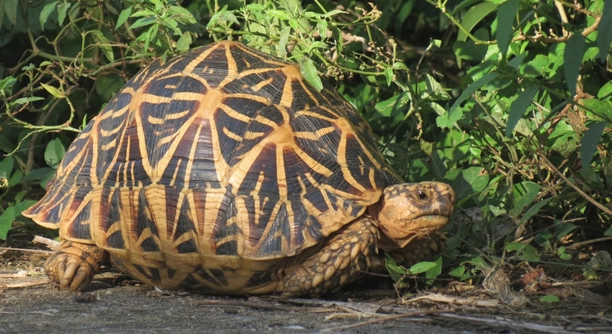
Keeping your Indian Star Tortoise’s tank clean and safe is essential for its well-being. A proper habitat helps your tortoise stay healthy and thrive. Maintaining a balanced environment requires effort, but it is worth it for your pet’s happiness.
To keep your Indian Star Tortoise’s tank clean and safe, regular cleaning, proper filtration, and ensuring correct humidity and temperature levels are crucial. Regularly remove waste, monitor water quality, and adjust light to create a comfortable and hygienic environment.
Maintaining your tortoise’s tank involves simple practices that lead to a healthier, happier pet. You’ll find that a little attention goes a long way in creating the perfect home for your shelled companion.
Clean Your Tortoise’s Tank Regularly
Regular tank cleaning is a key factor in keeping your Indian Star Tortoise healthy. A build-up of waste and food remnants can quickly lead to an unhealthy environment. Clean the tank once a week, but if you have multiple tortoises or a smaller space, it might need more frequent attention. Start by removing uneaten food and debris, then clean the tank thoroughly with water and mild soap. Avoid using harsh chemicals, as they could harm your tortoise.
You’ll also want to rinse and wipe down all surfaces. Regular cleaning helps prevent mold, bacteria, and unpleasant odors that could affect your tortoise’s health.
By keeping a consistent cleaning schedule, you’ll create a safe and inviting environment for your tortoise. With a clean tank, your pet will have fewer chances of developing skin infections or respiratory issues. Your tortoise will be able to enjoy its habitat comfortably without exposure to harmful bacteria. It’s a simple task that yields long-term benefits for both you and your tortoise.
Provide Proper Filtration for Water
A reliable water filtration system is essential in keeping the tank’s water clean and free from harmful bacteria.
The right filter should be strong enough to handle the size of your tortoise’s tank. It will help keep the water clear and safe by removing waste, debris, and contaminants. Depending on the size of your tortoise’s enclosure, you may need a filter that handles larger volumes of water. Always check the manufacturer’s recommendations to find one that fits your needs.
Installing a good filter prevents the need for constant water changes. This can save you time and effort, while ensuring that your tortoise always has access to fresh water. In addition, a well-maintained filter supports overall tank cleanliness, so you can keep your tortoise’s habitat hygienic with minimal disruption. Regularly check the filter for blockages and clean it to maintain optimal performance.
Maintain Proper Humidity Levels
Proper humidity is important for your tortoise’s health. It helps with shedding and digestion. Use a hygrometer to monitor humidity levels, aiming for about 50-70%. If it’s too low, your tortoise may struggle with shedding or have trouble eating.
You can increase humidity by misting the tank daily or adding a shallow water dish. Avoid soaking the substrate too much, as it can cause mold growth. By keeping the humidity in check, you ensure your tortoise remains comfortable and healthy.
Using natural materials like coconut coir or sphagnum moss in the tank can help maintain moisture. These substrates retain moisture well without getting too wet, ensuring your tortoise’s habitat remains stable. Regularly check humidity levels and adjust as necessary. Too much moisture can lead to respiratory issues, while too little can cause dehydration, so balance is key.
Offer UVB Lighting
UVB lighting is crucial for your tortoise’s overall health. It helps them absorb calcium, which is necessary for strong bones and shell growth. Without proper UVB exposure, your tortoise could develop shell deformities or other health issues.
Set up a UVB light that covers the entire tank, ensuring your tortoise can access the light for about 12 hours a day. Make sure to replace the bulb every six months, as UVB output decreases over time.
Keep the light at an appropriate distance from the tank. Too close can cause burns, and too far can make it ineffective. Your tortoise needs UVB light to stay healthy, so always double-check the setup to ensure it’s providing the correct amount of exposure.
Remove Waste Regularly
Removing waste is a simple yet important task for maintaining a clean environment. This includes uneaten food, feces, and any other debris.
Check your tortoise’s tank daily and remove any waste you find. The longer waste is left in the tank, the more likely bacteria will start to grow.
Clean the Substrate
The substrate, like coconut coir or sand, collects waste and moisture over time. Clean it regularly to avoid mold buildup.
Replace the substrate as needed. A clean substrate will help keep the tank smelling fresh and reduce the risk of infections for your tortoise. Make sure it’s not too deep to prevent accidental ingestion.
Keep the Temperature Stable
Proper temperature control is essential for your tortoise’s health. Use a thermometer to ensure the tank remains between 80-85°F during the day and slightly cooler at night.
A heat lamp is necessary to maintain these temperatures. Ensure it’s positioned correctly so your tortoise can move between warm and cooler areas of the tank.
FAQ
How often should I clean my Indian Star Tortoise’s tank?
It’s best to clean the tank at least once a week. However, if you have multiple tortoises or the tank is smaller, you might need to clean it more often. Daily waste removal is also important to prevent bacteria build-up. Be sure to scrub the tank with water and a mild soap, and then rinse thoroughly. Avoid harsh chemicals, as they can be harmful to your tortoise.
How do I set up the correct lighting for my tortoise’s tank?
Your tortoise needs UVB lighting to help with calcium absorption and overall health. Set up a UVB light above the tank, ensuring it covers a good portion of the habitat. It’s important to provide 12 hours of light and 12 hours of darkness each day. Replace the UVB bulb every 6 months, even if it still looks like it’s working.
What should the humidity level be in my tortoise’s tank?
Maintain humidity between 50% and 70%. Too much humidity can cause mold and respiratory issues, while too little can lead to dehydration and trouble shedding. A hygrometer will help you monitor this. If humidity is too low, mist the tank or add a shallow water dish.
Can I use sand as a substrate for my tortoise’s tank?
Sand can be used, but it’s important to monitor it closely. Too fine a sand can cause impaction if your tortoise eats it. It’s best to use a mixture of sand and soil, or coconut coir, as it’s safer and easier to clean.
How can I prevent my tortoise’s tank from smelling bad?
Regular cleaning and waste removal are key to keeping your tortoise’s tank odor-free. Replace the substrate every few months and make sure there’s no excess moisture. A good filtration system for the water will also reduce unpleasant smells. If you spot any foul odors, check for waste that may have been missed.
What should I do if my tortoise isn’t eating?
If your tortoise isn’t eating, check the tank’s temperature, humidity, and lighting. An improper environment can lead to loss of appetite. Make sure the tank is in the correct temperature range (80-85°F during the day), and the UVB light is working properly. Stress or illness can also be reasons for a lack of appetite, so monitor closely for any other signs of discomfort.
How do I handle shedding issues with my tortoise?
Shedding is natural, but your tortoise needs proper humidity to shed its skin correctly. If the humidity is too low, the skin may not come off properly, leading to stuck shed. If you notice patches of retained skin, gently mist the area and offer a warm soak to help with the process.
Can I use tap water in my tortoise’s tank?
Tap water is usually fine as long as it’s not treated with chlorine or other chemicals. Some tortoises are more sensitive, so it may be best to use filtered water. If you use tap water, let it sit for 24 hours to allow any chlorine to evaporate.
Should I provide a water dish for my tortoise?
Yes, providing a shallow water dish is essential. Your tortoise will drink from it when needed, and it will also help with humidity. Make sure the dish is shallow enough for your tortoise to access without risk of drowning. Change the water daily to keep it fresh and clean.
What type of food should I give my tortoise?
Indian Star Tortoises are herbivores. Offer a variety of leafy greens like dandelion greens, collard greens, and mustard greens. You can also include flowers like hibiscus and clover. Avoid feeding them fruits too often, as they are high in sugar. It’s important to avoid feeding them anything toxic, such as lettuce or spinach.
How do I keep my tortoise’s shell healthy?
A balanced diet, UVB lighting, and a proper temperature range all contribute to a healthy shell. Make sure your tortoise gets enough calcium and vitamin D3 to support shell growth. If you notice any soft spots or abnormalities in the shell, consult a vet for advice. Regular basking under UVB light helps strengthen the shell too.
Why is my tortoise pacing around the tank?
If your tortoise is pacing, it might be feeling stressed or uncomfortable. Check if the tank’s temperature, humidity, and lighting are correct. It could also be a sign that it’s not getting enough space. Ensure there’s enough room for your tortoise to roam and hide if needed.
Can my tortoise live with other pets?
It’s generally not recommended to house your tortoise with other pets, especially if they are much larger or more aggressive. Other animals can be stressful for your tortoise or could harm it. If you’re keeping multiple tortoises, ensure the tank is large enough and that each tortoise has enough space.
How can I tell if my tortoise is sick?
Watch for signs like lack of appetite, lethargy, abnormal behavior, or changes in shell or skin condition. If your tortoise seems unwell, it’s important to consult a vet who specializes in reptiles. Early detection can prevent more serious health issues.
Final Thoughts
Caring for an Indian Star Tortoise can be a rewarding experience, but it does come with responsibility. Keeping its tank clean, safe, and comfortable is key to ensuring your tortoise stays healthy. Regular maintenance like cleaning the tank, checking humidity, and providing proper lighting will go a long way in creating a safe habitat for your pet. Even small changes, such as keeping the temperature within the right range or making sure the water is fresh, can have a positive impact on your tortoise’s well-being.
Pay attention to the details, such as waste removal, substrate choice, and lighting. These may seem like minor tasks, but they are vital for maintaining a clean and healthy environment. A consistent routine will make it easier for you to manage the tank’s upkeep, while also keeping your tortoise comfortable. Monitoring factors like humidity levels and temperature ensures your tortoise is getting the best care possible. By doing this, you will not only keep your pet safe but also help it thrive in its home.
Taking care of your tortoise requires attention, but it doesn’t have to be overwhelming. With regular cleaning, proper setup, and consistent checks, you can create an environment that both you and your tortoise can enjoy. The time and effort you put into their habitat will directly impact their health and happiness. It’s not just about keeping their space clean, but about providing them with a comfortable and stress-free home. Over time, these habits will become second nature, making the care of your tortoise a rewarding part of your routine.

Hello,
If you enjoy the content that we create, please consider saying a "Thank You!" by leaving a tip.
Every little bit helps us continue crafting quality advice that supports the health, happiness, and well-being of pets around the world, for pets of all shapes, sizes, and species.
We really appreciate the kindness and support that you show us!