
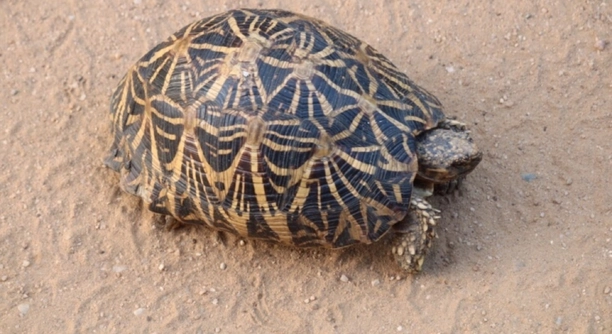
Providing the right heat for your Indian Star Tortoise is crucial to their health and well-being. Their habitat must be kept within a specific temperature range to support digestion and overall growth.
Maintaining proper heat for your Indian Star Tortoise involves creating a temperature gradient in their enclosure, with a basking spot reaching up to 95°F and a cooler side around 75°F. This helps regulate their body temperature effectively.
By setting up the right environment, your tortoise will thrive in a comfortable and healthy habitat. Keep reading to discover essential tips for providing the best heat for your pet.
Why Temperature Control is Crucial for Your Indian Star Tortoise
The Indian Star Tortoise requires a well-regulated environment to stay healthy. Temperature plays a key role in its digestion, metabolism, and overall behavior. A temperature gradient within its habitat is vital, as it allows the tortoise to choose between warmer and cooler areas based on its needs. Without proper heating, your tortoise could face health problems like slow digestion or even lethargy.
Maintaining the right temperatures will help your tortoise thrive. The basking spot should be around 95°F, while the cooler side should be 75°F. This range helps mimic the natural conditions of its native habitat.
Temperature imbalances can lead to issues such as dehydration or lack of appetite. To prevent this, always check the temperature regularly and adjust your heating equipment if necessary. A thermometer and thermostat can be your best tools to ensure your tortoise enjoys a stable, comfortable environment.
Choosing the Right Heating Equipment
Selecting the right heating tools is essential for keeping your tortoise’s habitat ideal. You can use heat lamps, ceramic heaters, or even under-tank heaters to maintain the temperature.
Heat lamps are the most common choice because they provide direct heat. Position the lamp above the basking area and ensure the heat doesn’t overwhelm the tortoise. The light should mimic sunlight and encourage your tortoise to bask. You can also use ceramic heaters, which offer gentle warmth without light, ideal for nighttime. Under-tank heaters are another option, providing consistent heat from below. Just ensure your tortoise has access to cooler areas as well.
Monitoring Temperature with Thermometers
Using thermometers helps ensure your tortoise’s enclosure stays within the right range. Place one thermometer near the basking area and another on the cooler side. This gives you a clear view of the temperature gradient.
It’s important to check both temperatures daily, especially if you’re using heat lamps. Overheating or underheating can be dangerous, so maintaining a consistent environment is key. Digital thermometers are more accurate than traditional ones, but even analog thermometers can give you a rough idea of the conditions.
In addition to monitoring the air temperature, make sure to check the surface temperature of the basking area. This can be done with a laser thermometer to ensure it’s not too hot for your tortoise. A consistent setup will help your tortoise stay comfortable.
Nighttime Temperature Considerations
During nighttime, temperatures can drop, which is natural, but they shouldn’t fall too much. Ideally, the temperature should not go below 70°F to keep your tortoise from getting cold stress.
Nighttime heating can be tricky. While most tortoises don’t need extra heat at night, it’s a good idea to use a ceramic heat emitter if temperatures in the room are dropping below the safe range. These devices provide heat without light, so your tortoise can rest in peace without disruption. Make sure the cooler side of the enclosure stays between 75°F and 80°F. If your house is cold at night, you can consider insulating the enclosure to keep the temperature stable.
Avoiding Overheating
Overheating can be just as dangerous as a cold environment. If your tortoise’s basking area becomes too hot, it can lead to stress and dehydration. Check temperatures frequently to prevent this.
Overheating signs include your tortoise trying to escape the basking area, panting, or digging excessively. Ensure the heat lamp isn’t too close to the tortoise’s shell. Adjusting the height of the lamp can help maintain a safe temperature. If the basking area is too hot, you might need a lower wattage bulb or a higher lamp position.
Creating a Temperature Gradient
A temperature gradient in your tortoise’s enclosure is crucial for its health. It allows your tortoise to regulate its body temperature by moving between warmer and cooler areas.
Position your heat source at one end of the enclosure so the other end remains cooler. The basking area should be 95°F, while the cooler side should be around 75°F. This gradient gives your tortoise a range of temperatures to choose from, ensuring it’s always comfortable. If you notice your tortoise constantly staying in one spot, it might mean that the temperature isn’t properly balanced.
Using Heat Sources Safely
Safety is key when using heating equipment for your tortoise. Always follow the manufacturer’s instructions to avoid accidents.
Check that all wires and fixtures are secure to prevent them from coming into contact with water or your tortoise’s shell. Never leave the heating equipment on when you’re not around to monitor it. If your equipment becomes damaged or shows signs of malfunctioning, replace it immediately to ensure your tortoise’s safety.
FAQ
What is the ideal temperature range for an Indian Star Tortoise?
The ideal temperature range for an Indian Star Tortoise is between 75°F and 95°F. The basking area should reach up to 95°F, while the cooler side should stay around 75°F. This gradient allows your tortoise to regulate its body temperature effectively. If the environment is too warm or too cold, it can negatively impact your tortoise’s health, causing stress or lethargy.
Can I use a heat pad for my Indian Star Tortoise?
Yes, you can use a heat pad, but it should only be placed under the tank, not directly on your tortoise. Heat pads provide gentle, consistent warmth and help maintain the lower temperature of the enclosure. Make sure the pad is large enough to cover only part of the bottom, allowing your tortoise to move to a cooler spot when needed. Never use a heat pad alone; combine it with a heat lamp to create the necessary temperature gradient.
Is it necessary to use a heat lamp for my tortoise?
Yes, a heat lamp is essential for providing your Indian Star Tortoise with the necessary basking temperature. The lamp mimics sunlight and encourages your tortoise to bask and absorb heat. It’s best to position the lamp above the basking area, so your tortoise can enjoy the warmth directly. Use a bulb with an appropriate wattage to ensure the basking area reaches the right temperature.
How can I prevent my tortoise’s habitat from becoming too hot?
To prevent overheating, regularly monitor the temperature in the basking area using a thermometer. If the basking area exceeds 95°F, raise the heat lamp or reduce the bulb’s wattage. You should also ensure the cooler side of the enclosure stays between 75°F and 80°F. A temperature gradient helps your tortoise regulate its body temperature by moving between different areas of the habitat.
Can I turn off the heat at night?
While your tortoise may not need as much heat during the night, it’s essential that the temperature doesn’t drop too low. The ambient temperature should remain around 70°F at night. If your house gets too cold, you may want to use a ceramic heat emitter, which provides heat without light, to maintain a safe nighttime temperature. Keeping the temperature stable ensures your tortoise stays comfortable and healthy.
How do I know if my tortoise is too cold?
If your tortoise appears lethargic, has trouble moving, or stops eating, it may be too cold. Cold temperatures can slow down a tortoise’s metabolism and digestive process. To prevent this, ensure your tortoise has access to the right temperature gradient. If you notice these symptoms, check the enclosure’s temperature immediately. A cold environment can also cause your tortoise to seek heat sources too aggressively, risking injury or overheating.
Can I use a regular light bulb for heating my tortoise’s enclosure?
Regular light bulbs are not ideal for heating your tortoise’s enclosure. While they provide light, they don’t produce enough heat to reach the necessary basking temperatures. It’s better to use specific heat bulbs, such as basking spot lamps, which are designed to provide both heat and light. Be sure to choose a bulb with the appropriate wattage for your tortoise’s size and enclosure.
What’s the best way to check the surface temperature of the basking area?
Using a laser thermometer is the best way to check the surface temperature of the basking area. It provides quick, accurate readings without the need for direct contact. You can easily measure the temperature of the basking spot to ensure it stays within the recommended range of 90°F to 95°F. Make sure to check in different spots to ensure the area is consistently warm.
How can I keep my tortoise’s habitat at a consistent temperature?
To maintain a consistent temperature, make sure your heat source is positioned correctly, and the thermostat is working properly. Regularly check the enclosure’s temperature with thermometers placed at both the basking and cooler areas. If your room temperature fluctuates, you may need additional heating equipment, such as an under-tank heater or a ceramic heat emitter, to maintain the desired conditions.
Do I need to use a humidity source for my Indian Star Tortoise?
Indian Star Tortoises don’t require high humidity levels but do benefit from occasional misting to ensure they stay hydrated. A humidity level of 40%-60% is sufficient for these tortoises. Make sure the substrate doesn’t become too wet, as excess moisture can lead to fungal growth. Light misting during the day can help maintain proper hydration without making the enclosure too damp.
What should I do if the temperature gets too low?
If the temperature drops below 70°F, your tortoise may become stressed or even ill. To remedy this, add a heat source like a ceramic heat emitter or increase the wattage of the heat lamp. Ensure that the temperature gradient remains balanced, with the basking area at 95°F and the cooler side at 75°F. If your home is especially cold at night, you may need to adjust the heating equipment accordingly.
Can I use an ultraviolet (UV) light with my heat lamp?
Yes, it’s highly recommended to use UV light in addition to the heat lamp. UV light helps your tortoise synthesize vitamin D3, which is essential for calcium absorption and overall bone health. Make sure the UV light is in the correct position to allow your tortoise to bask under it while also benefiting from the heat. UV light should be replaced every 6 to 12 months, as its effectiveness decreases over time.
What is the best way to manage the temperature in a larger enclosure?
In larger enclosures, it’s crucial to create separate temperature zones. Use multiple heat sources to ensure there is a clear temperature gradient. You might need to use more than one heat lamp or combine heat emitters with heat pads in strategic locations. Always monitor temperatures at both the basking and cooler ends, ensuring your tortoise has plenty of space to choose its preferred warmth level.
Is it safe to use a thermostat for my tortoise’s heating equipment?
Yes, using a thermostat is a safe and effective way to regulate your tortoise’s heating equipment. A thermostat will automatically control the temperature of the heat lamps and other devices, preventing overheating or underheating. Ensure the thermostat is accurate and set to the proper temperature range. This will give you peace of mind that the enclosure’s temperature remains stable throughout the day and night.
Final Thoughts
Providing the right heat for your Indian Star Tortoise is essential to its overall health and well-being. Temperature affects many aspects of your tortoise’s life, including its digestion, activity levels, and even its ability to breed. Ensuring a stable temperature gradient within the enclosure, with a basking area around 95°F and a cooler side at 75°F, is crucial for your tortoise’s comfort. This helps your tortoise regulate its body temperature and maintain its energy levels throughout the day.
While setting up proper heating equipment is important, it is equally necessary to monitor the temperatures regularly. Using a thermometer placed in both the basking and cooler areas ensures that the temperature gradient is effective. Checking the surface temperature of the basking area with a laser thermometer helps avoid overheating, which can lead to dehydration or stress. On the other hand, if the environment becomes too cold, your tortoise may become sluggish and lose its appetite. Therefore, consistency is key, and daily temperature checks are a small investment of time that can make a big difference in your tortoise’s health.
In the end, creating the right environment for your tortoise may take some trial and error, especially if you live in an area with fluctuating temperatures. However, with the proper setup and attention to detail, your tortoise will be able to thrive. By providing a balanced temperature range, selecting the right heating equipment, and monitoring the conditions carefully, you can help your tortoise lead a happy and healthy life. Understanding your tortoise’s specific needs and making adjustments as necessary will ensure that it stays active, well-fed, and comfortable in its enclosure.

Hello,
If you enjoy the content that we create, please consider saying a "Thank You!" by leaving a tip.
Every little bit helps us continue crafting quality advice that supports the health, happiness, and well-being of pets around the world, for pets of all shapes, sizes, and species.
We really appreciate the kindness and support that you show us!