
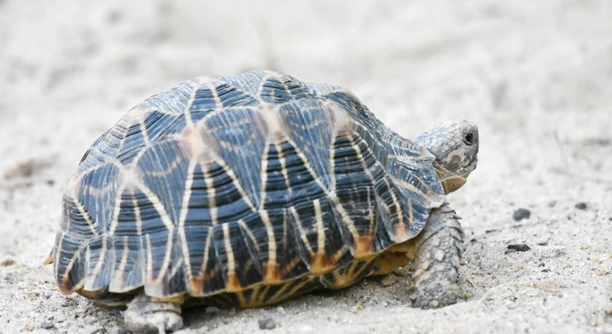
Caring for your Indian Star Tortoise’s shell is an important aspect of maintaining their overall health. Proper shell cleaning ensures that your pet remains comfortable and free from potential issues, such as shell rot or bacteria buildup.
To clean your tortoise’s shell effectively, start by using a soft brush and warm water to gently scrub away dirt and debris. Avoid harsh chemicals, as they can irritate the tortoise’s skin. Dry the shell thoroughly after cleaning.
By following these best practices, you can ensure your tortoise remains in optimal health and that their shell stays in good condition.
Preparing for the Cleaning Process
Before cleaning your Indian Star Tortoise’s shell, gather all the necessary supplies. You will need a soft-bristled brush, a shallow container, warm water, and towels. This preparation will make the cleaning process easier and more efficient. It’s important to have everything ready so that your tortoise feels comfortable and remains calm during the procedure. A calm environment is key to ensuring that your tortoise doesn’t experience stress, which could lead to an unpleasant cleaning session.
Proper cleaning requires consistency and care, and ensuring your tortoise is placed in a safe, quiet spot will make a big difference. Always aim to clean their shell regularly but without overdoing it. Over-cleaning can disrupt the natural oils on their shell and skin.
Remember to check for any irregularities or signs of infection during the cleaning. If you notice any issues such as swelling, cracks, or discoloration, consult a vet for further guidance on how to proceed.
Choosing the Right Brush
A soft-bristled brush is essential when cleaning the shell. Harder brushes can scratch the surface, potentially causing damage. Choose a brush that is gentle but effective at removing dirt and grime without causing irritation. When brushing, always be cautious around the edges of the shell, as these areas are more sensitive.
Cleaning with a soft brush ensures that you’re not disturbing the tortoise’s delicate skin. The last thing you want is to cause stress or injury. A soft touch will also prevent any accidental damage to the tortoise’s scutes, which are important for shell health.
Cleaning Frequency
You should clean your Indian Star Tortoise’s shell regularly but not excessively. Cleaning once a week is usually sufficient for most tortoises. However, this can vary depending on their environment. If your tortoise spends a lot of time outdoors or in a dirty enclosure, more frequent cleaning may be necessary.
Cleaning too often can lead to the removal of essential oils that protect the shell. Over-cleaning can also stress your tortoise, causing unnecessary discomfort. Be sure to observe how your tortoise reacts to each cleaning session, adjusting the frequency if needed. Their shell should remain free of excess dirt but not stripped of its protective layers.
Always take care to clean only the surface and avoid harsh scrubbing. Your tortoise’s shell is durable but requires gentle handling to keep it in top condition. It’s essential to find the right balance between maintaining cleanliness and preserving the natural health of the shell.
Drying the Shell
After cleaning, drying your tortoise’s shell properly is essential to prevent mold or fungal growth. Use a soft towel to gently pat the shell dry. Avoid rubbing, as this can cause unnecessary friction that could irritate the skin or cause discomfort.
Ensure the shell is thoroughly dry, especially if your tortoise is kept in a humid environment. The dampness left after cleaning can create conditions where bacteria or fungi thrive. Make sure to check the underside of the shell, as moisture can get trapped in the crevices. If left unchecked, this could cause health issues down the line.
In addition to preventing infections, drying the shell helps maintain its natural shine and prevents mineral buildup. It’s a small step in the cleaning process but an important one to ensure your tortoise’s shell remains in good condition and free from potential health risks.
Avoiding Harsh Chemicals
Avoid using any harsh chemicals or detergents when cleaning your tortoise’s shell. These products can cause skin irritation and harm the protective layers of the shell. Stick to mild, natural options that are gentle but effective.
Some people might think using strong cleaning agents will make the shell shinier, but in reality, it can damage the natural oils on the shell and affect its health. Harsh chemicals can cause your tortoise discomfort or even lead to infections. Instead, opt for a soft brush with warm water for cleaning.
Maintaining a Healthy Habitat
A clean living space is just as important as cleaning the shell. Make sure your tortoise’s enclosure is free from waste, excess moisture, and debris. A well-maintained habitat can prevent the growth of harmful bacteria that could affect your tortoise’s shell health.
Keeping the environment clean helps reduce the chances of infections or shell rot. Regularly change the bedding, remove uneaten food, and ensure proper ventilation. The overall health of the enclosure will make a significant difference in the health of your tortoise.
FAQ
How often should I clean my tortoise’s shell?
It’s ideal to clean your Indian Star Tortoise’s shell once a week, but this can vary depending on your tortoise’s living environment. If they are kept outdoors or have a messy enclosure, you may need to clean them more often. However, over-cleaning can cause stress and remove the natural oils that protect the shell, so it’s essential to find a balance.
Can I use soap to clean my tortoise’s shell?
It’s best to avoid using soap or any harsh cleaning agents on your tortoise’s shell. Soap can strip the shell of natural oils and cause irritation. Use warm water and a soft brush to clean the shell gently. Mild, pet-safe products can be used in moderation if necessary.
Should I clean the underside of my tortoise’s shell?
Yes, it’s important to clean the underside of your tortoise’s shell as well. This area can collect waste and bacteria. Use a soft brush and warm water to gently clean it. Be careful to avoid applying too much pressure or rubbing too hard, as it can cause discomfort.
Is it okay if my tortoise’s shell has some dirt on it?
A small amount of dirt or debris on the shell is perfectly fine and doesn’t necessarily require cleaning. However, if the dirt is excessive or hard to remove, it’s a good idea to clean it gently to avoid bacteria buildup. Ensure your tortoise’s shell is free from any potential sources of infection.
Can I use vinegar to clean the shell?
While vinegar is a natural cleaner, it can be too harsh for your tortoise’s shell. Avoid using vinegar or other acidic substances, as they can irritate the skin and harm the shell’s natural composition. Stick to warm water and a soft brush for regular cleaning.
How do I dry my tortoise’s shell after cleaning?
After cleaning, gently dry your tortoise’s shell with a soft towel. Avoid rubbing too vigorously, as this can cause irritation. Make sure the shell is thoroughly dry before returning your tortoise to its enclosure, as moisture left behind can lead to mold or fungal growth.
What should I do if I notice cracks in my tortoise’s shell?
If you notice any cracks, chips, or injuries on your tortoise’s shell, it’s important to contact a vet immediately. Cracks in the shell can become infected if not treated properly. A vet can provide guidance on how to care for the injury and prevent further damage.
Can I use a toothbrush to clean my tortoise’s shell?
Yes, you can use a soft-bristled toothbrush to clean your tortoise’s shell. Make sure the bristles are not too hard, as this can cause abrasions. Gently scrub the shell with warm water to remove dirt, but avoid scrubbing too hard to prevent injury.
Should I clean my tortoise’s shell after it rains?
If your tortoise has been outside in the rain, you may want to clean its shell to remove any excess moisture, dirt, or debris. However, make sure to dry the shell thoroughly afterward to avoid the growth of mold or bacteria. Regular checks after rain can help prevent any potential shell issues.
What signs should I look for to determine if my tortoise’s shell is unhealthy?
Signs of an unhealthy shell include discoloration, softness, cracks, or swelling. If your tortoise’s shell becomes unusually soft or shows signs of infection, such as unusual odors or pus, it’s important to consult a vet. Regular cleaning and maintenance can help catch early signs of problems.
Can I use any kind of brush to clean my tortoise’s shell?
It’s important to use a soft brush to clean your tortoise’s shell. Hard-bristled brushes can scratch or damage the shell’s surface, causing irritation or discomfort. A soft toothbrush, a nail brush, or a designated tortoise cleaning brush works best to keep the shell clean without causing harm.
How can I prevent my tortoise’s shell from getting dirty?
Keeping your tortoise’s enclosure clean is one of the best ways to prevent the shell from getting dirty. Make sure to regularly remove waste and uneaten food, replace bedding, and ensure that the enclosure is dry. Keeping their environment clean will reduce the amount of dirt and bacteria that can accumulate on the shell.
Is it safe to bathe my tortoise?
You can bathe your tortoise in warm water, but avoid submerging it fully. Gently wash the shell and make sure the tortoise doesn’t become too cold or stressed during the process. Always monitor your tortoise’s reactions and ensure the bath is not too long to avoid health issues.
How do I handle my tortoise during the cleaning process?
When cleaning your tortoise, handle it gently to reduce stress. Place the tortoise on a stable, non-slip surface and use your hands to hold it gently if needed. It’s important to stay calm, as your tortoise will pick up on your energy and may become more relaxed.
Can I use baby wipes to clean my tortoise’s shell?
Baby wipes should generally be avoided, as they contain chemicals that could harm your tortoise’s shell and skin. Stick to natural methods like using warm water and a soft brush. If necessary, choose wipes designed specifically for pets that are free from harsh chemicals.
Should I clean my tortoise’s shell before or after feeding it?
It’s usually best to clean your tortoise’s shell before feeding. This ensures that no food debris sticks to the shell during or after feeding. If you clean afterward, food particles might remain stuck to the shell, making it harder to clean effectively.
Can a dirty shell affect my tortoise’s health?
Yes, a dirty shell can lead to potential health issues, especially if it harbors bacteria or mold. Keeping the shell clean helps prevent infections, shell rot, or skin problems. Regular cleaning and monitoring the health of the shell are crucial to your tortoise’s well-being.
Final Thoughts
Taking proper care of your Indian Star Tortoise’s shell is essential for its overall health. A clean shell not only looks good but also helps prevent infections and other health issues. Keeping the shell free from dirt and bacteria can reduce the chances of shell rot, a common problem in tortoises. The shell serves as a protective layer, and maintaining it in good condition will help your tortoise stay comfortable and active.
While cleaning your tortoise’s shell, it’s important to use gentle methods. Avoid harsh chemicals or rough scrubbing, as these can damage the shell and cause unnecessary stress to your pet. Instead, use mild water and soft brushes to carefully clean the shell. Always make sure that you dry the shell properly after cleaning, as moisture can cause problems like mold or bacteria growth. Additionally, be mindful of not cleaning too often, as overdoing it can strip the shell of natural oils that protect it.
Remember, cleaning the shell is just one part of your tortoise’s care routine. You should also focus on creating a healthy living environment. A clean and comfortable habitat, along with a proper diet, will contribute to your tortoise’s well-being. Regular health checks will help you spot any potential issues with your tortoise’s shell or skin. By maintaining a good balance of cleanliness and care, your Indian Star Tortoise can live a long and healthy life.

Hello,
If you enjoy the content that we create, please consider saying a "Thank You!" by leaving a tip.
Every little bit helps us continue crafting quality advice that supports the health, happiness, and well-being of pets around the world, for pets of all shapes, sizes, and species.
We really appreciate the kindness and support that you show us!