
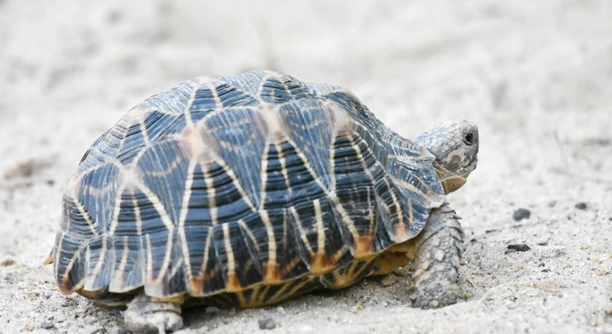
When considering getting an Indian Star Tortoise, it is important to prepare for its care and environment. These reptiles require specific needs to thrive, making it essential to learn about their habitat, diet, and general well-being before bringing one home.
Before getting an Indian Star Tortoise, ensure you have a suitable habitat, appropriate lighting, and proper dietary needs. Research their specific care requirements, including temperature control, humidity, and the right substrate, to create a comfortable and healthy environment.
Taking the time to prepare will ensure that you provide the best care possible. By understanding their requirements, you will be ready for a successful and fulfilling experience with your new companion.
Choosing the Right Habitat for Your Indian Star Tortoise
Creating the right environment for your Indian Star Tortoise is crucial to its well-being. These tortoises are native to the dry, rocky regions of India and Sri Lanka, so they need a similar setup to feel comfortable. A spacious enclosure is essential for them to roam around, with plenty of room to explore. It is important to provide a substrate that mimics their natural habitat, such as sand or coconut coir. These materials help maintain the proper humidity levels while allowing the tortoise to burrow.
Additionally, the enclosure should have a variety of hiding spots to give the tortoise a sense of security. You can include small caves or plants to create a more natural setting. A shallow water dish for drinking and soaking should also be available at all times.
Investing in a well-designed habitat will help your tortoise feel safe and reduce stress. It also promotes healthier behavior, allowing your pet to thrive for years to come.
Understanding the Proper Lighting Needs
Proper lighting is essential for your tortoise’s health. UVB lighting helps with calcium absorption, supporting shell growth and overall bone health. These lights should be kept on for 10-12 hours daily.
Heating elements like a basking lamp should also be used to create a warm spot in the enclosure. The warm side of the habitat should be kept around 85-95°F, while the cooler side can remain between 70-75°F.
Maintaining the correct temperature and lighting allows your tortoise to regulate its metabolism and maintain a healthy diet. Make sure to replace UVB bulbs regularly, as their effectiveness decreases over time.
Providing the Right Diet for Your Indian Star Tortoise
The Indian Star Tortoise needs a balanced diet that mirrors its natural food sources. It is primarily herbivorous, so its meals should consist mainly of leafy greens, grasses, and some fruits. You can include dandelion greens, clover, and hibiscus flowers in their diet. Make sure the food is free of pesticides and other chemicals.
Supplementing their diet with calcium and vitamin D3 is crucial to support healthy shell and bone development. You can offer calcium powder on their food a few times a week. Fresh, clean water should always be available for drinking and soaking.
Offering a variety of food types ensures your tortoise gets the nutrients it needs to thrive. Stick to natural foods and avoid high-protein items like meats, as these are not suitable for their digestive system.
Temperature Regulation for Your Tortoise
Indian Star Tortoises require a specific temperature gradient in their enclosure. This gradient helps regulate their metabolism and overall health. Providing both a warm basking area and a cooler side allows the tortoise to choose the temperature that best suits its needs.
The basking area should be heated to 95°F, allowing the tortoise to absorb heat. A thermometer placed on both the warm and cool sides of the enclosure will help you monitor the temperature accurately. If the temperature drops too low, the tortoise may become lethargic and susceptible to illness.
Keeping your tortoise at the right temperature ensures its comfort and helps it maintain a healthy appetite and activity level. Maintaining consistent temperatures throughout the day and night is key to preventing health problems.
Proper Substrate for the Enclosure
Choosing the right substrate for your tortoise’s habitat is key to its well-being. A good substrate will help with moisture control, provide comfort, and allow your tortoise to dig and burrow. Avoid sand that can cause digestive issues when ingested.
Coconut coir, aspen shavings, or shredded newspaper are all great options. These materials absorb moisture and are easy to clean. Be sure to maintain a clean environment by replacing the substrate regularly.
Watering Needs
Tortoises need fresh water available at all times. A shallow dish that is large enough for soaking will help them stay hydrated. Clean the water bowl daily to prevent bacteria build-up.
Adding a humidifier can also help maintain the right humidity levels, especially in drier climates.
Handling Your Indian Star Tortoise
Handling should be kept to a minimum to reduce stress on your tortoise. When you do handle them, support their body fully and avoid lifting by the shell.
This helps avoid injury and keeps your tortoise calm, maintaining a more comfortable environment for it to thrive.
FAQ
How long do Indian Star Tortoises live?
Indian Star Tortoises can live for 50 years or more if provided with the right care. Their lifespan is greatly influenced by diet, habitat conditions, and overall health. Keeping them in an environment that mimics their natural habitat can help them live a long, healthy life. With proper attention to their needs, they can thrive for decades.
What size enclosure do I need for an Indian Star Tortoise?
A good rule of thumb is to provide at least 4 square feet of space per tortoise. The more space you can give them, the better. A larger enclosure will allow your tortoise to move freely, which is essential for their physical and mental health. Make sure to provide hiding spots and climbing opportunities to mimic their natural environment.
What is the best temperature for an Indian Star Tortoise?
The temperature should range from 85-95°F in the basking area and 70-75°F on the cooler side. Tortoises need a gradient to regulate their body temperature. At night, it’s fine for the temperature to drop to around 70°F. It’s essential to maintain these temperatures consistently to support digestion and overall health.
Can I keep more than one Indian Star Tortoise together?
It is possible to keep multiple tortoises together, but it’s important to monitor them closely. Tortoises can sometimes become territorial, and fights may occur, especially if there’s limited space or resources. If you plan to keep more than one, ensure the enclosure is large enough and that each tortoise has enough food, water, and hiding spaces to prevent competition and stress.
What should I feed my Indian Star Tortoise?
The diet of an Indian Star Tortoise should mainly consist of grasses, leafy greens, and a small amount of fruit. Foods like dandelion greens, clover, and hibiscus flowers are ideal. You can also provide occasional treats like prickly pear and other safe fruits. Avoid feeding them high-protein foods such as meat or dairy, as these can cause health issues.
How often should I feed my Indian Star Tortoise?
Feed your tortoise every other day. An adult Indian Star Tortoise doesn’t need to be fed daily but should have access to fresh food and water consistently. The amount of food should be enough for the tortoise to consume within a few hours. Remove any uneaten food to keep the habitat clean.
Do Indian Star Tortoises need UVB light?
Yes, UVB lighting is essential for Indian Star Tortoises. UVB light helps them produce vitamin D3, which is needed for calcium absorption and shell health. Make sure to use a UVB bulb designed for reptiles, and replace it every six months as the light can lose its effectiveness over time.
Can I keep my Indian Star Tortoise outside?
Indian Star Tortoises can be kept outside in suitable climates, but they must have access to a shaded area to avoid overheating. The outdoor environment should also be secure to prevent predators from getting to them. Ensure the enclosure is escape-proof and provides a safe, natural environment. If your climate is too cold or wet, it’s better to keep them indoors.
How do I know if my Indian Star Tortoise is healthy?
Healthy Indian Star Tortoises are active and have bright eyes. Their shells should be smooth and free of cracks or soft spots. Regular soaking helps keep them hydrated, and they should be eating a variety of greens. If you notice a lack of appetite, lethargy, or any visible signs of illness, it’s best to consult a vet familiar with reptiles.
What kind of substrate should I use in the enclosure?
Coconut coir, aspen shavings, and organic topsoil are all good choices for Indian Star Tortoise substrates. These materials help regulate humidity, are safe to ingest in small amounts, and mimic the tortoise’s natural environment. Avoid using sand or gravel, as these can cause digestive issues if ingested.
Do Indian Star Tortoises need supplements?
Yes, Indian Star Tortoises benefit from calcium and vitamin D3 supplements to promote healthy shell growth and bone strength. Dusting their food with calcium powder a few times a week is typically sufficient. Be sure to avoid over-supplementing, as too much can cause health issues.
How can I handle my Indian Star Tortoise safely?
When handling your tortoise, always support its body, especially its shell, to prevent injury. Avoid picking them up by the legs or tail, as this can cause stress or harm. Handling should be kept to a minimum, as frequent handling can lead to stress and affect their overall well-being.
What should I do if my Indian Star Tortoise isn’t eating?
If your tortoise isn’t eating, check for environmental issues like temperature, humidity, or lighting. Ensure they are receiving a proper diet and are in a stress-free environment. If the lack of appetite persists, a visit to a reptile veterinarian may be necessary to rule out health problems.
Are Indian Star Tortoises easy to care for?
Indian Star Tortoises require a fair amount of care and attention to their specific needs, but they are not overly difficult to manage if you provide the right environment and diet. With the proper setup, these tortoises can live a long, healthy life. It’s important to commit to their care and continuously learn about their requirements.
Final Thoughts
Indian Star Tortoises can make wonderful pets for those who are committed to meeting their specific care needs. Their striking appearance and gentle nature make them a unique addition to any home. However, before deciding to bring one into your life, it’s important to understand that they require a lot of attention and proper care. Providing them with the right habitat, diet, and environmental conditions is essential for their health and well-being. With the right setup, Indian Star Tortoises can live for decades, bringing joy and companionship to their owners for years to come.
Their diet is an important aspect of their care, and offering a variety of leafy greens, grasses, and occasional fruits is essential. You must avoid feeding them foods high in protein or unsuitable items that could harm their digestive system. Hydration is also key, and fresh water should be available at all times. Proper lighting, including UVB light, will ensure they stay healthy, supporting their shell and bone development. Temperature regulation within their enclosure is another critical factor, as it helps with their digestion and overall health. This all requires a certain level of responsibility and consistency from the owner.
In conclusion, while caring for an Indian Star Tortoise may seem like a challenge at first, it can be incredibly rewarding. Their long lifespan means that they are not just short-term companions but part of the family for many years. If you’re ready to commit the time and resources to their care, you’ll be rewarded with a unique pet that adds beauty and calm to your life. Keep in mind that a well-maintained environment and proper diet will allow your tortoise to thrive, and with patience and attention, it can be a rewarding experience.

Hello,
If you enjoy the content that we create, please consider saying a "Thank You!" by leaving a tip.
Every little bit helps us continue crafting quality advice that supports the health, happiness, and well-being of pets around the world, for pets of all shapes, sizes, and species.
We really appreciate the kindness and support that you show us!