
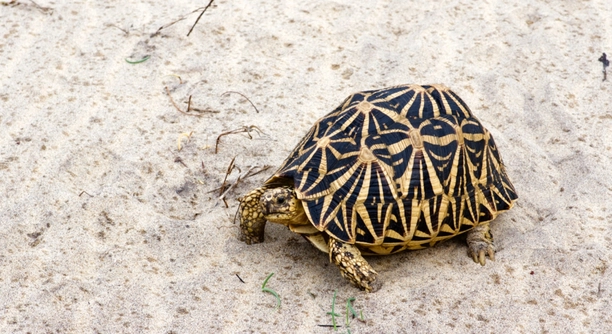
Is your Indian star tortoise refusing to eat, leaving you concerned about its health? A loss of appetite in these tortoises can be alarming, but understanding the possible causes can help you take the right steps to address the issue.
The most common reasons your Indian star tortoise isn’t eating properly include stress, improper temperature, dehydration, dietary issues, illness, and seasonal changes. Identifying the root cause is essential to restoring its appetite and ensuring its overall well-being.
Environmental conditions, dietary balance, and overall health play a crucial role in your tortoise’s eating habits. Recognizing these factors can help you provide the best care for your pet.
Stress and Environmental Changes
Indian star tortoises are sensitive to changes in their surroundings. A new enclosure, excessive handling, or loud noises can make them feel unsafe, leading to a loss of appetite. Ensuring a calm, stable environment is essential for their well-being. Keep their habitat quiet and avoid sudden disturbances.
A stressed tortoise may hide frequently, refuse food, or become less active. Identifying stress triggers early can help prevent further health issues. Providing hiding spots and limiting handling can make them feel more secure. A consistent routine helps them adjust and feel more comfortable in their environment.
Adjustments to their habitat, such as proper substrate, temperature regulation, and minimal disturbances, can help reduce stress. If your tortoise recently moved to a new enclosure, give it time to adapt. Offering familiar foods and maintaining a steady routine will encourage it to eat again. Monitoring for other stress-related behaviors is also beneficial.
Temperature and Humidity Issues
Temperature fluctuations can impact your tortoise’s appetite. If the enclosure is too cold, digestion slows down, making eating less appealing. A temperature range of 80–90°F in the basking area and around 75°F at night ensures proper digestion and activity levels.
Humidity also plays a role in their health. Indian star tortoises require moderate humidity, around 60–80%, to stay hydrated and maintain healthy eating patterns. If the air is too dry, they may become sluggish and avoid food. A shallow water dish and occasional misting can help maintain the right humidity levels.
Checking the temperature and humidity regularly with reliable thermometers and hygrometers can prevent potential problems. Ensure that their heat source is functioning properly and that the enclosure remains warm enough throughout the day. Avoid placing their habitat near drafty windows or direct air conditioning, as sudden temperature drops can discourage them from eating. A well-regulated environment keeps them comfortable and encourages a healthy appetite.
Dehydration and Lack of Water
A dehydrated tortoise may lose its appetite, become lethargic, and show dry or sunken eyes. Without enough water, digestion slows, making it harder for them to process food. Providing fresh, clean water daily is essential for maintaining proper hydration and encouraging healthy eating habits.
Soaking your tortoise in shallow, lukewarm water a few times a week helps prevent dehydration. Indian star tortoises absorb moisture through their skin, so regular soaking keeps them hydrated. Additionally, misting their enclosure lightly can help maintain proper humidity levels. Ensure their water dish is shallow and easy to access to prevent accidental tipping.
Dehydration can also be influenced by diet. If their food lacks moisture, they may not be getting enough hydration. Fresh leafy greens, such as dandelion and romaine lettuce, provide additional water. Avoid feeding them too many dry foods, like hay or pellets, without balancing it with fresh produce.
Dietary Imbalances and Food Preferences
A diet lacking variety or essential nutrients can lead to a loss of appetite. Indian star tortoises thrive on leafy greens, grasses, and occasional fruits. Feeding the same foods daily may cause boredom, making them reluctant to eat. Rotating their diet helps maintain interest and ensures balanced nutrition.
Some tortoises develop preferences and may refuse new foods. If they reject certain greens, try chopping them finely and mixing them with their favorites. Avoid high-oxalate foods like spinach, as they interfere with calcium absorption. Adding calcium supplements supports strong shell and bone health, preventing deficiencies that may affect their appetite.
Overfeeding can also be an issue. Too many high-protein foods, like commercial pellets, can cause digestive problems. Stick to a diet primarily consisting of fresh, fibrous greens with limited fruits. Observing their eating habits and adjusting portions based on activity levels can help maintain a consistent and healthy appetite.
Illness or Parasites
A sick tortoise may refuse food, show lethargy, or have abnormal stool. Respiratory infections, shell rot, or internal parasites can cause appetite loss. If symptoms persist, seeking veterinary care is crucial to diagnosing and treating the issue before it worsens.
Parasites can lead to digestive problems, making eating uncomfortable. Weight loss, diarrhea, or visible worms in the stool may indicate an infestation. Regular fecal tests and proper hygiene help prevent parasites from affecting your tortoise’s health. Keeping their enclosure clean reduces the risk of infections and promotes overall well-being.
Seasonal Changes and Brumation
Indian star tortoises may eat less during seasonal transitions. Cooler temperatures and shorter days can trigger brumation-like behaviors, where they become less active and eat infrequently. If environmental conditions are stable, occasional fasting is normal. Monitoring their weight ensures they stay healthy during periods of reduced appetite.
Recent Changes in Routine
Tortoises thrive on consistency. A sudden change in feeding times, enclosure setup, or new foods may disrupt their eating habits. Keeping a steady routine helps them feel secure and encourages regular eating. Gradual adjustments are easier for them to adapt to without stress.
FAQ
Why is my Indian star tortoise not eating?
There are many reasons why your Indian star tortoise might not be eating. Stress, temperature imbalances, dehydration, or even illness can cause a lack of appetite. Start by checking the environmental conditions, such as the enclosure temperature and humidity. Ensure it’s clean and calm, with no disruptions. If the environment seems fine, review their diet and make sure it includes a variety of fresh greens and occasional fruits. If the issue persists, a trip to the vet may be necessary.
How can I tell if my tortoise is stressed?
Signs of stress in tortoises include hiding more than usual, a lack of movement, refusal to eat, and pacing around the enclosure. If your tortoise is showing these behaviors, it could be due to environmental changes, like a new enclosure or excessive handling. Ensure the habitat is quiet and stable, and try to limit disruptions. A stressed tortoise often benefits from a more peaceful and predictable environment.
What is the ideal temperature for my tortoise’s habitat?
Indian star tortoises require a warm environment with a basking area between 85–90°F (29–32°C) during the day. The cooler side of the enclosure should be around 75°F (24°C) at night. A proper temperature gradient allows them to regulate their body heat and digestion. Avoid temperature fluctuations by using reliable heating lamps and a thermostat to maintain a consistent climate.
How can I ensure my tortoise stays hydrated?
Proper hydration is vital for your tortoise’s health. Always provide a shallow dish of fresh water and ensure it is easily accessible. Additionally, soaking your tortoise in lukewarm water for 10–15 minutes several times a week helps maintain hydration. Fresh, watery vegetables like cucumber and leafy greens can also contribute to their water intake.
Can a lack of calcium cause eating problems in my tortoise?
Yes, calcium deficiencies can lead to several health issues, including a loss of appetite. If your tortoise is not eating properly, a lack of calcium could be the cause. Calcium supports strong bones and shells, and without it, your tortoise may feel weak or lethargic. You can provide calcium by dusting their food with a calcium supplement or offering cuttlebone. Ensure they have enough exposure to UVB light, which helps them absorb calcium.
How often should I feed my Indian star tortoise?
Indian star tortoises are herbivores, and their diet should be primarily made up of fibrous greens and grasses. Young tortoises need to eat daily, while adults can be fed every other day. Overfeeding can cause obesity or other health issues, so be sure to offer the appropriate amount based on their size and activity level. Avoid feeding them too much fruit, as it can be high in sugar.
Is it normal for my tortoise to fast?
Occasional fasting is normal, especially during seasonal changes or brumation. During cooler months, tortoises may eat less or even stop eating altogether. If your tortoise is fasting, monitor its weight and overall condition. If they seem lethargic or lose significant weight, it’s a good idea to consult a vet. Seasonal fasting should not last for long periods.
How can I encourage my tortoise to eat new foods?
If your tortoise refuses new foods, try mixing them with their favorite greens. Chopping the food into smaller pieces can help as well. Gradually introduce new items, such as different types of leafy greens, to prevent them from becoming picky eaters. Make sure you’re offering a variety of foods that are safe and nutritious, like dandelion greens, clover, and grass.
What should I do if my tortoise is losing weight?
Weight loss in a tortoise can indicate a serious health issue, including stress, dehydration, or an underlying illness. If your tortoise is losing weight, first evaluate the enclosure conditions, food, and hydration. If the weight loss continues, seek veterinary assistance to rule out parasites, infections, or other medical problems. Keeping track of their weight can help you catch issues early.
Can parasites affect my tortoise’s appetite?
Yes, internal parasites can cause appetite loss, along with weight loss, lethargy, or abnormal stool. If you suspect your tortoise may have parasites, take a fecal sample to a vet for testing. Parasites can be treated with medication prescribed by the vet, and ensuring that your tortoise’s enclosure is kept clean will help prevent reinfestation.
How do I prevent my tortoise from becoming dehydrated?
To prevent dehydration, make sure your tortoise has constant access to fresh water. Offer shallow water dishes that are easy to access, and keep the water clean. Regular soaking in lukewarm water also helps. Including moisture-rich vegetables in their diet, such as cucumber or lettuce, can further support hydration.
What are the signs that my tortoise is sick?
A sick tortoise may show signs such as refusing food, lethargy, abnormal breathing, swollen eyes, or a change in stool. If you notice any of these signs, it’s best to visit a vet as soon as possible. Early diagnosis and treatment are crucial to addressing health issues before they become serious.
What type of bedding is best for my Indian star tortoise?
The bedding should be absorbent, clean, and safe for your tortoise. Some good options include coconut coir, aspen shavings, or a mixture of sand and soil. Avoid using cedar or pine shavings, as they contain oils that can harm your tortoise. The substrate should also allow your tortoise to dig and burrow comfortably.
Can my tortoise get too much UVB light?
While UVB light is essential for your tortoise’s health, too much exposure can cause problems like overheating or skin damage. Ensure that the UVB light is placed at the correct distance from your tortoise and is not too intense. Use a UVB bulb designed for reptiles and replace it as recommended by the manufacturer.
Final Thoughts
Taking care of an Indian star tortoise requires attention to detail and a good understanding of their needs. Ensuring a proper environment, providing a balanced diet, and keeping up with regular check-ups will help prevent many common issues, including poor appetite. Temperature and humidity control are crucial aspects of their habitat. Maintaining the right conditions for basking, cooling, and hydration can have a significant impact on your tortoise’s eating habits and overall health. The simple adjustments in their environment can often be the solution to several problems.
It is also essential to monitor your tortoise’s behavior and weight regularly. Appetite loss can sometimes be a sign of stress, illness, or environmental problems. Keeping an eye on any changes in their behavior, shell appearance, or stool is key to early detection of issues. If problems persist despite adjustments, consulting a vet can help identify underlying health conditions, such as infections or parasites. Veterinarians are the best resource for diagnosing and treating health concerns before they become serious.
Lastly, patience is important. Tortoises can be slow to adjust to new foods, environments, or routines. Understanding their natural behavior and respecting their pace can lead to a happier, healthier pet. Offering a variety of nutritious foods and making gradual changes to their care routine can help your tortoise settle in comfortably. With the right care, your Indian star tortoise will thrive, and its health and happiness will follow.

Hello,
If you enjoy the content that we create, please consider saying a "Thank You!" by leaving a tip.
Every little bit helps us continue crafting quality advice that supports the health, happiness, and well-being of pets around the world, for pets of all shapes, sizes, and species.
We really appreciate the kindness and support that you show us!