
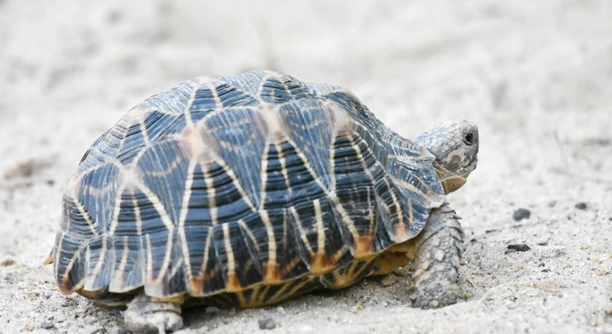
Is your Indian star tortoise getting the right balance of safety and stimulation in its habitat? Creating an environment that meets their specific needs is essential for their well-being, ensuring they stay healthy, comfortable, and engaged in their surroundings.
The key to a safe and stimulating Indian star tortoise habitat lies in replicating their natural environment. This includes maintaining proper temperature, humidity, and substrate, as well as providing adequate space, hiding spots, and enrichment activities to promote physical and mental well-being.
Providing the right setup will enhance your tortoise’s quality of life. Understanding the essential elements of their habitat will help you create an ideal space that supports their overall health and natural behaviors.
Choosing the Right Enclosure
A well-designed enclosure is essential for your Indian star tortoise’s safety and comfort. It should be spacious enough to allow natural movement and provide secure walls to prevent escapes. Outdoor enclosures are ideal, offering natural sunlight and fresh air, but indoor setups can work if properly maintained. Temperature and humidity levels should be carefully controlled to mimic their natural environment. A sturdy enclosure with proper ventilation ensures their health and well-being. Sheltered areas, such as hides or burrows, are necessary to offer security and relief from extreme weather conditions.
A minimum enclosure size of 4×4 feet is recommended for one tortoise. Outdoor enclosures should have walls at least 12 inches high and buried several inches into the ground to prevent digging escapes.
Indoor enclosures require UVB lighting to support shell health and prevent metabolic bone disease. Using a mix of soil and sand as substrate creates a comfortable, natural surface for movement and burrowing.
Maintaining Proper Temperature and Humidity
Indian star tortoises thrive in warm temperatures ranging from 80°F to 90°F during the day, with a basking area of around 95°F. Nighttime temperatures should not drop below 70°F. Proper humidity levels between 50% and 70% help maintain healthy shell growth.
To achieve ideal conditions, use heat lamps or ceramic heat emitters in indoor enclosures, ensuring a temperature gradient that allows the tortoise to regulate its body heat. Outdoor enclosures should provide both sunny and shaded areas. A hygrometer helps monitor humidity, and misting the enclosure or adding damp moss can help maintain the required levels. In drier climates, a shallow water dish allows for hydration and helps regulate humidity. Ensuring these conditions keeps your tortoise comfortable and prevents health issues like respiratory infections or shell deformities.
Providing the Right Substrate
A natural substrate helps keep your Indian star tortoise comfortable and supports their natural behaviors. A mix of topsoil, sand, and coconut coir works well, providing a soft, burrow-friendly surface that retains moisture without becoming too damp or compacted. Avoid using gravel or artificial mats.
The right substrate helps regulate humidity and promotes healthy shell growth. It should be deep enough for burrowing, with at least two to three inches in indoor enclosures. Outdoor setups naturally provide suitable ground, but adding soil and leaf litter can enhance comfort. Spot-cleaning daily and replacing the substrate every few weeks prevents bacteria buildup and odor.
Using the wrong substrate can lead to health issues. Sand alone can cause impaction if ingested, while wood shavings may be too dry or irritating. A well-maintained, natural substrate encourages natural digging behavior, supports hydration, and creates a safe environment for your tortoise.
Offering Proper Hiding Spots and Enrichment
Hiding spots are essential for reducing stress and creating a sense of security. Small caves, wooden shelters, or overturned plant pots provide safe places to retreat. Adding different textures, such as logs and stones, keeps the environment stimulating and encourages exploration. Avoid cluttering the space while ensuring enough hiding areas.
Enrichment activities keep your tortoise engaged and active. Placing edible plants like dandelion greens encourages foraging, while varied terrain with rocks and gentle slopes supports exercise. Rotating enclosure decorations prevents boredom, and shallow water dishes provide both hydration and soaking opportunities. Creating a dynamic environment promotes natural behaviors and overall well-being.
Ensuring Proper Lighting
Indian star tortoises need UVB lighting to process calcium and maintain strong shells. Without it, they can develop metabolic bone disease. A high-quality UVB bulb should be placed in their enclosure, providing at least 10-12 hours of light daily to mimic natural sunlight.
Position the UVB lamp 12-18 inches from the basking area, replacing the bulb every six months to maintain effectiveness. If your tortoise lives outdoors, natural sunlight is the best source. However, shaded areas should always be available to prevent overheating and allow for temperature regulation.
Offering a Balanced Diet
A well-balanced diet consists mainly of grasses, hay, and leafy greens. Small amounts of vegetables and occasional fruits can be added. Avoid high-protein foods, as they can cause health problems. Calcium supplements should be provided regularly to support strong bones and prevent shell deformities. Fresh water must always be available.
Keeping the Habitat Clean
A clean habitat prevents illness and keeps your tortoise comfortable. Spot-clean daily by removing waste and leftover food. Deep clean the enclosure every few weeks, replacing the substrate and disinfecting surfaces with a reptile-safe cleaner to prevent bacterial buildup and odors.
FAQ
How big should an Indian star tortoise enclosure be?
An indoor enclosure should be at least 4 feet by 2 feet for one adult tortoise. Larger setups are always better, especially if housing multiple tortoises. Outdoor enclosures should be spacious, secure, and include shaded areas to protect against extreme weather conditions.
What temperature is ideal for an Indian star tortoise?
Daytime temperatures should range between 80-90°F, with a basking spot around 95°F. Nighttime temperatures can drop to 70-75°F. Using a ceramic heat emitter or under-tank heater helps maintain stable temperatures, especially in colder climates or indoor enclosures.
How much humidity do Indian star tortoises need?
Humidity levels should be maintained between 50-70%. Higher humidity helps prevent shell pyramiding and supports hydration. Using a soil-based substrate, misting the enclosure, and providing a humid hide with damp moss can help regulate moisture levels effectively.
What type of UVB lighting is best?
A 10-12% UVB bulb is recommended to support calcium absorption and prevent metabolic bone disease. The bulb should be replaced every six months, even if it still appears functional, as UVB output diminishes over time. Natural sunlight is the best alternative when possible.
How often should an Indian star tortoise eat?
Tortoises should be fed daily, mainly with fresh grasses, hay, and leafy greens. Occasional treats like vegetables and limited fruits can be included. Calcium supplementation should be provided several times a week, especially for young and growing tortoises.
Can Indian star tortoises live together?
Keeping multiple tortoises together is possible, but space is crucial. Males may become territorial and aggressive, so housing them separately is often necessary. If keeping a group, monitor their behavior and provide multiple hiding spots, food sources, and basking areas to prevent competition.
Do Indian star tortoises need water?
Yes, they need fresh water daily. A shallow dish should be available for drinking and soaking, as hydration helps with digestion and shell health. Regular soaking, especially for hatchlings, supports proper growth and prevents dehydration.
What should be avoided in their diet?
Avoid high-protein foods, processed foods, and excessive fruits. Animal-based proteins can harm their kidneys, and too much sugar from fruit can lead to digestive issues. Iceberg lettuce should also be avoided as it lacks nutritional value.
How often should the habitat be cleaned?
Spot-cleaning should be done daily by removing waste and uneaten food. A deep cleaning should be done every few weeks, replacing the substrate and disinfecting surfaces with reptile-safe products to prevent bacteria buildup and odors.
What signs indicate an unhealthy tortoise?
Lethargy, loss of appetite, swollen eyes, shell deformities, or irregular breathing can indicate illness. If any of these signs appear, a reptile veterinarian should be consulted immediately. Early intervention is crucial for preventing serious health issues.
Can Indian star tortoises hibernate?
No, they do not hibernate. Unlike some tortoise species, they remain active year-round. If your tortoise is showing signs of inactivity during cooler months, check temperature and humidity levels to ensure they are within the appropriate range.
Is it safe to handle an Indian star tortoise?
Handling should be minimal to avoid stress. If necessary, support their body fully and keep handling time brief. Always wash hands before and after to prevent the spread of bacteria, especially salmonella, which reptiles can carry.
Final Thoughts
Creating a safe and stimulating habitat for an Indian star tortoise requires careful attention to their environmental needs. Proper temperature, humidity, and lighting are essential for maintaining their health and well-being. A well-designed enclosure with a natural substrate, hiding spots, and access to fresh water ensures they feel secure. Providing a diet rich in fiber, calcium, and essential nutrients supports their growth and prevents health issues. Regular cleaning and maintenance keep their living space safe and hygienic, reducing the risk of illness. Taking these steps allows your tortoise to thrive in a controlled and comfortable environment.
Beyond the basics, offering enrichment helps promote natural behaviors and keeps them engaged. Safe plants, varied terrain, and occasional treats can make their habitat more stimulating. Monitoring their behavior and health regularly helps detect potential problems early. If any signs of illness appear, consulting a reptile veterinarian ensures timely care. Social interactions should be handled carefully, as Indian star tortoises can be sensitive to changes in their surroundings. While they do not require frequent handling, spending time observing them allows you to better understand their habits and preferences. A consistent routine and a well-maintained enclosure contribute to their overall well-being.
Caring for an Indian star tortoise is a long-term commitment that requires patience and dedication. Their slow growth and unique temperament make them fascinating pets, but they need a stable environment to stay healthy. Providing proper care ensures they can live a long and fulfilling life. Every detail, from diet to enclosure setup, plays a role in their overall quality of life. By creating the best possible habitat, you are giving your tortoise the opportunity to live comfortably and thrive for many years to come.

Hello,
If you enjoy the content that we create, please consider saying a "Thank You!" by leaving a tip.
Every little bit helps us continue crafting quality advice that supports the health, happiness, and well-being of pets around the world, for pets of all shapes, sizes, and species.
We really appreciate the kindness and support that you show us!