
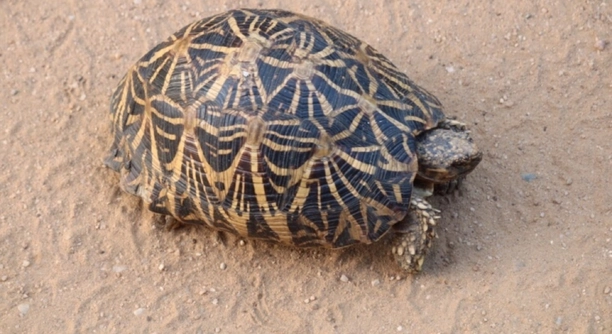
Indian star tortoises are popular pets due to their beautiful shell patterns and gentle nature. However, like many reptiles, they are susceptible to parasites that can affect their health. Protecting them from these pests is crucial.
To safeguard your Indian star tortoise from parasites, ensure a clean environment, provide proper diet, and maintain regular health check-ups. Avoid overcrowding, keep their habitat dry, and use parasite control methods recommended by reptile experts for effective prevention.
Taking simple steps can greatly reduce the risk of parasites. Keeping your tortoise healthy and happy is easier than you think.
Clean Their Habitat Regularly
One of the most effective ways to protect your Indian star tortoise from parasites is by keeping their habitat clean. Parasites can easily breed in damp, unkempt environments. Regular cleaning of their enclosure is essential to prevent the buildup of harmful bacteria, fungi, and other parasites. Make sure to replace the substrate frequently, especially if it’s been soiled. In addition to removing waste, disinfect surfaces to kill any remaining parasites that may be lingering. A clean habitat creates a healthier environment for your tortoise to thrive.
A clean, dry habitat is key to preventing parasitic infections. Regularly scrub the walls, substrate, and accessories with reptile-safe disinfectants to remove any traces of parasites.
When cleaning the habitat, focus on areas where moisture tends to accumulate, such as corners and water bowls. These spots can be breeding grounds for harmful organisms, increasing the chances of parasitic infections. A dry environment discourages the growth of unwanted pests and promotes your tortoise’s overall health. Make sure the temperature and humidity levels are appropriate for your pet as well. A controlled climate will also help prevent the growth of harmful parasites.
Offer a Balanced Diet
A well-balanced diet is another key factor in preventing parasitic infections in your Indian star tortoise. A nutritious diet helps strengthen their immune system, making it more difficult for parasites to invade their body. Provide a variety of leafy greens, vegetables, and fruits that are rich in vitamins and minerals. Avoid offering food that could be contaminated with parasites, and wash all produce thoroughly before feeding it to your tortoise.
A healthy diet helps build your tortoise’s natural defenses, reducing the likelihood of infections. Keep the food fresh and clean.
Besides proper nutrition, offering calcium and vitamin D supplements is important for overall health. These nutrients support the tortoise’s bone development and immune function, making it more resilient to parasites. By paying attention to diet and providing fresh, uncontaminated food, you can minimize the risk of parasitic infections and ensure your tortoise remains strong and healthy. Always consult with a reptile vet to ensure you’re meeting all the dietary needs for your tortoise’s species.
Quarantine New Tortoises
If you’re adding a new tortoise to your collection, it’s important to quarantine it for at least 30 days. This will help ensure the new tortoise is free from parasites before it interacts with your other pets. During this time, monitor its health closely and check for any signs of illness. It’s better to take precautions than to risk spreading parasites to your existing tortoises.
Quarantining a new tortoise protects your existing pets from potential infections. Keep the new tortoise in a separate area, far from your other reptiles. Make sure it has a similar setup to its future habitat, but don’t allow contact between them. Regularly inspect the tortoise’s skin, shell, and eyes for any unusual signs that might suggest a parasitic infection.
At the end of the quarantine period, if no signs of illness have been detected, you can introduce the new tortoise to its permanent home. However, always be cautious and make gradual introductions to avoid stress and possible territorial behavior. Even after quarantine, keep an eye on the new tortoise for any changes in behavior or appearance that could indicate a parasite infection.
Provide Proper UVB Lighting
UVB lighting is essential for the health of your Indian star tortoise. Not only does it help them metabolize calcium properly, but it also boosts their immune system, making them less susceptible to parasites. Without UVB light, your tortoise’s bones can weaken, and its overall health may decline, increasing vulnerability to parasites. Proper lighting replicates natural sunlight and should be part of their daily routine.
A good UVB light should be placed 12-18 inches above your tortoise’s basking spot. Make sure it provides the proper UVB wavelength, ideally between 290-320nm. Reptiles need this light to produce vitamin D3, which is essential for calcium absorption. Without enough UVB exposure, your tortoise may suffer from metabolic bone disease, weakening its immune system and leaving it more prone to parasites.
Replace the UVB bulb every 6 to 12 months, as their intensity decreases over time. Position the light to ensure even coverage of the basking area. Proper UVB lighting is one of the simplest ways to maintain a healthy tortoise that’s better equipped to fight off parasitic infections. Along with a balanced diet and clean habitat, UVB lighting plays a vital role in their well-being.
Regular Health Check-Ups
Regular health check-ups are crucial to catch any early signs of parasitic infections. A vet can perform fecal tests to detect internal parasites and ensure your tortoise is free of infections. It’s important to have your tortoise examined at least once a year, or more if you notice any changes in behavior.
By getting regular check-ups, you can catch potential issues before they become serious. A vet will also give advice on parasite control methods suited to your specific tortoise. Preventing and detecting parasites early ensures your tortoise stays healthy and can live a long life.
Limit Contact with Other Animals
Limiting contact with other animals can help reduce the risk of your tortoise picking up parasites. Wild animals, pets, or even other reptiles may carry parasites that can spread to your tortoise. Avoid introducing new animals to the same habitat unless they’ve been properly quarantined.
By keeping interactions to a minimum, you decrease the chances of cross-contamination. This is especially important when bringing in new pets or animals from unknown sources. It’s safer to ensure all animals are parasite-free before allowing any contact with your tortoise.
FAQ
What are the common parasites that affect Indian star tortoises?
Indian star tortoises can be affected by a variety of parasites, including internal ones like roundworms, tapeworms, and flukes. External parasites like mites and ticks can also infest the tortoise’s skin and shell. These parasites can lead to various health problems, from digestive issues to skin infections, and they can significantly weaken the immune system. Regular checks and proper care are essential to minimize the risk.
How can I tell if my tortoise has parasites?
Signs of parasitic infections in tortoises can vary, but some common symptoms include lethargy, loss of appetite, abnormal droppings (such as diarrhea), weight loss, and visible skin or shell damage. If your tortoise is scratching more than usual, it could be a sign of external parasites. If you notice any unusual behavior or health changes, it’s crucial to consult a vet.
Can my tortoise catch parasites from other reptiles?
Yes, tortoises can catch parasites from other reptiles, especially if they share a habitat. Reptiles can carry parasites without showing symptoms, making it easy for infections to spread. This is why quarantining new reptiles before introducing them to your existing pets is important. Keeping their enclosures separate is also a good precaution.
How can I prevent parasites in my tortoise’s enclosure?
To prevent parasites in your tortoise’s enclosure, maintain a clean environment by regularly cleaning the tank, replacing substrate, and sanitizing all surfaces. Avoid overcrowding the enclosure, as it can lead to stress and make the tortoises more susceptible to infections. Also, ensure proper ventilation and humidity levels to discourage parasite growth.
Is it safe to use over-the-counter parasite treatments for tortoises?
Over-the-counter treatments can sometimes be used, but it’s always better to consult a vet first. Some treatments may not be suitable for tortoises, and improper use can harm them. A vet will recommend the most effective and safe treatment for your tortoise’s specific condition.
Can my tortoise recover from a parasitic infection?
Yes, tortoises can recover from parasitic infections if they receive proper treatment. Early detection and prompt action can significantly improve the chances of a full recovery. It’s important to follow the vet’s advice regarding medication, habitat changes, and diet to ensure a successful recovery.
How do I prevent parasites from affecting my tortoise’s diet?
To prevent parasites from affecting your tortoise’s diet, always wash any vegetables, fruits, or greens thoroughly before feeding. Avoid offering food from unreliable sources, as they could be contaminated. It’s also a good idea to avoid feeding your tortoise food that could harbor parasites, such as insects caught from the wild.
Can parasites affect the shell of my tortoise?
Yes, some external parasites like mites can damage the shell by causing scabs, holes, or discoloration. Internal parasites can also weaken the tortoise’s immune system, making it more susceptible to infections that may affect the shell. Regular inspection of the shell and overall health is important for early detection.
How often should I deworm my Indian star tortoise?
Deworming frequency depends on the tortoise’s environment and exposure to parasites. Generally, a tortoise should be dewormed annually, but if you notice symptoms of parasitic infection, more frequent treatments may be necessary. Consult your vet for a deworming schedule suited to your tortoise’s needs.
Can my tortoise get parasites from the water bowl?
Yes, water bowls can be a source of parasites if they aren’t cleaned regularly. Parasites can thrive in stagnant water or contaminated bowls, so it’s essential to change the water frequently and clean the bowl with a safe disinfectant. Make sure the water is always fresh and clean to reduce the risk of infection.
Final Thoughts
Keeping your Indian star tortoise safe from parasites is essential for maintaining its overall health and well-being. Parasites can be harmful, causing digestive issues, skin infections, and general discomfort. By staying vigilant and adopting proper care practices, you can reduce the chances of your tortoise getting infected. A combination of cleanliness, regular health checks, and a well-balanced diet goes a long way in ensuring that your tortoise remains healthy. It’s also important to be proactive, as catching any potential issues early can lead to a quicker and more effective treatment.
Maintaining a safe and healthy habitat is one of the most important steps in protecting your tortoise. Keeping the enclosure clean, controlling the humidity levels, and avoiding overcrowding are all simple yet effective measures that can reduce parasite risks. Limiting contact with other animals and ensuring that your tortoise has a proper diet also play key roles in preventing infections. Consistent maintenance, along with attention to the smallest changes in your tortoise’s behavior, will help you notice any potential problems early.
Parasites are a concern, but they don’t have to be a constant worry. By following preventive steps and staying in tune with your tortoise’s needs, you can protect it from these issues. Regular vet check-ups, a clean environment, and a healthy diet are the foundation of parasite prevention. Your tortoise can thrive without the fear of parasitic infections if you remain diligent and informed. Taking these simple actions will help ensure a long, healthy life for your Indian star tortoise.

Hello,
If you enjoy the content that we create, please consider saying a "Thank You!" by leaving a tip.
Every little bit helps us continue crafting quality advice that supports the health, happiness, and well-being of pets around the world, for pets of all shapes, sizes, and species.
We really appreciate the kindness and support that you show us!