
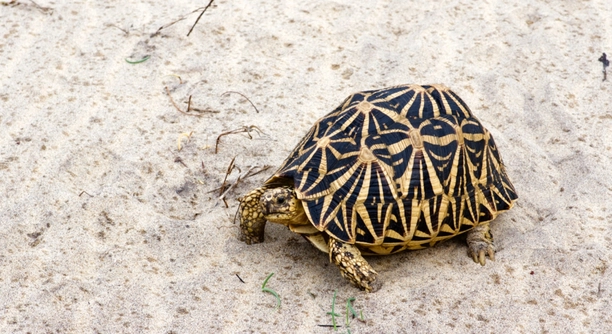
Taking care of Indian Star Tortoise hatchlings requires understanding their specific needs during the early stages of life. These little creatures need a suitable environment to thrive. The following tips will help you ensure their well-being.
Handling Indian Star Tortoise hatchlings involves creating a proper habitat, offering the right diet, and maintaining the correct humidity and temperature. Providing them with appropriate lighting and safe handling techniques will help these delicate creatures grow healthy and strong.
Proper care is essential for ensuring your hatchling’s growth and development. Keep reading to learn helpful tips for raising your Indian Star Tortoise with confidence.
Create the Right Habitat for Your Hatchlings
Indian Star Tortoise hatchlings require a habitat that mimics their natural environment. They need a warm, dry place with access to both heat and shade. Set up an enclosure that provides proper ventilation and enough space for them to move around freely. A terrarium or a custom-designed pen is ideal. Make sure to use safe materials, like non-toxic bedding, that won’t harm the hatchlings if ingested. The temperature should range between 85°F and 95°F during the day, with a drop at night to around 70°F to 75°F. Humidity levels should be kept at 50-70%, with a substrate that can maintain moisture without becoming too damp. A shallow water dish will help the hatchlings stay hydrated, but ensure it’s not too deep to prevent drowning.
A suitable habitat sets the foundation for your hatchling’s growth. It ensures they stay healthy and happy as they grow. Pay attention to temperature and humidity to avoid stressing the little ones.
Remember to clean the habitat regularly to prevent any bacteria from forming. This simple practice will keep the environment safe for your tortoise.
Provide the Right Diet
Proper nutrition is crucial for the growth of your hatchlings. Offer a variety of greens, such as dandelion leaves, collard greens, and clover. Avoid feeding them lettuce, as it lacks the essential nutrients they need. A high-calcium diet supports their shell development, so sprinkle calcium powder on their food regularly. You can also offer some vegetables like squash or carrots in moderation. Fruit should be given occasionally, as too much sugar can upset their digestive system. Hatchlings also benefit from access to high-quality tortoise pellets, which can be a good supplement to fresh greens. Providing a varied diet ensures they receive all the necessary vitamins and minerals for healthy growth.
A proper diet directly influences your hatchling’s development and shell strength. Offering a balanced mix of foods ensures they get everything they need. Consistency is key to fostering their well-being.
Your hatchling’s diet should evolve as it grows. Transition to more fibrous foods and fewer fruits once they reach adulthood to maintain long-term health.
Maintain Proper Lighting
Indian Star Tortoise hatchlings need a reliable light source to stay healthy. Provide both UVA and UVB lighting to help them process calcium. UVB light is essential for vitamin D synthesis, which is crucial for their shell development. Use a high-quality light that mimics natural sunlight, ensuring the hatchlings receive a full spectrum of light.
Position the light so that it provides a basking area with higher temperatures, while allowing cooler areas for rest. A proper light cycle is important to keep the tortoises on a natural day-night rhythm. Turn the lights on in the morning and off at night, aiming for 12-14 hours of light each day.
Monitor your hatchlings to ensure they’re getting enough exposure to UVB. Too little light can lead to metabolic bone disease, which can harm their growth.
Avoid Overhandling
Handling your tortoises too much can stress them out and interfere with their natural behaviors. It’s best to limit handling, especially in the first few months. While you might be eager to bond with your hatchlings, too much contact can disrupt their need for solitude. It’s important to let them adjust to their new environment at their own pace.
When you do handle them, keep it brief and gentle. Avoid sudden movements that may scare them. Instead, let them crawl into your hands naturally. Over time, they will grow more comfortable with your presence.
The goal is to maintain a calm environment, which encourages the hatchlings to grow and explore without feeling threatened. Too much handling can lead to long-term stress, impacting their health.
Keep Humidity Levels Balanced
Humidity is important for the health of your hatchlings. Too much moisture can lead to respiratory issues, while too little can cause dehydration. Aim to keep humidity between 50-70%. A humidity gauge will help you monitor this effectively. Make adjustments by using a water dish or misting the enclosure when necessary.
Keep in mind that humidity levels may fluctuate with temperature changes. Ensure the substrate you use is moisture-retentive without becoming soggy. This balance helps prevent fungal or bacterial growth, maintaining a safe and comfortable environment for your tortoise.
Ensure Proper Ventilation
Good ventilation is essential for a healthy habitat. Without it, mold and bacteria can build up, leading to health problems for your hatchlings. Ensure that your enclosure has sufficient airflow but doesn’t let drafts enter. A well-ventilated space keeps the air fresh and reduces humidity-related issues.
Monitor your hatchlings closely. If you notice signs of respiratory distress, such as wheezing or labored breathing, improve the ventilation or check the humidity levels. Proper airflow is key to maintaining a balanced environment.
FAQ
What should I feed Indian Star Tortoise hatchlings?
Indian Star Tortoise hatchlings need a diet that includes a variety of greens, such as dandelion, clover, and collard greens. Offer them a mix of safe vegetables like squash, carrots, and occasional fruits in moderation. Avoid feeding them iceberg lettuce, as it lacks the nutrients they need. Calcium supplementation is important, so sprinkle calcium powder on their food regularly to support proper shell growth.
How often should I feed my tortoise hatchlings?
Feed your Indian Star Tortoise hatchlings every day. Hatchlings have fast metabolisms and need daily nutrition to grow strong. As they mature, you can reduce feeding to every other day. Be mindful of portion sizes; overfeeding can lead to obesity. Offering fresh food daily ensures they receive the nutrients required for healthy development.
Can I use sand as bedding for my hatchling’s enclosure?
Sand can be used, but it’s important to choose the right kind. Avoid fine sand, as it can lead to impaction if ingested. Use medium-grain sand mixed with other substrates like coconut coir to help with moisture retention and to create a safe environment for your hatchlings to explore. Ensure the sand is clean and free of chemicals.
Do I need to provide a basking light for my hatchlings?
Yes, a basking light is necessary to provide warmth. The basking area should be between 85°F and 95°F to help your hatchlings digest food properly and stay healthy. Without proper lighting, your hatchlings could develop health problems such as metabolic bone disease. Use a UVB light to mimic sunlight, which is essential for calcium absorption and shell development.
How do I know if my tortoise is healthy?
A healthy Indian Star Tortoise will be active, alert, and show interest in food. Its shell should be smooth and free from cracks or discoloration. Look for clear eyes and proper movement. If your hatchling is lethargic, refuses to eat, or shows signs of respiratory issues like wheezing, it’s a sign that something might be wrong.
Can I keep multiple hatchlings in the same enclosure?
Yes, you can keep multiple hatchlings together as long as the enclosure is large enough to provide adequate space for each one. It’s essential that each hatchling has its own area to bask, eat, and explore. Avoid overcrowding, as it can lead to stress, territorial disputes, and health problems. Regularly monitor their interactions to ensure they are not showing signs of aggression.
How often should I change the water in their dish?
The water dish should be cleaned and refilled daily to ensure your hatchlings always have access to fresh water. If the water becomes dirty or contaminated, bacteria can develop, leading to health issues. Use a shallow dish to prevent drowning, as hatchlings can struggle with deep water.
What temperature should the enclosure be at night?
At night, the temperature in the enclosure should drop to around 70°F to 75°F. This allows your hatchlings to experience a natural day-night temperature cycle, which is crucial for their well-being. Make sure that the enclosure is not too cold during the night, as drastic temperature drops can stress your tortoises.
How do I prevent my hatchlings from escaping?
Ensure the sides of the enclosure are high enough to prevent your hatchlings from climbing out. A solid barrier, such as a glass or plastic tank, can help. If using a mesh or wire top, make sure it is securely fastened. Hatchlings can be surprisingly resourceful when trying to escape, so check the enclosure regularly for any signs of wear or weakness.
Can I give my tortoises treats?
While it’s important to focus on a balanced diet of greens and vegetables, you can occasionally offer your hatchlings treats. Safe treats include small amounts of fruit like strawberries or melon, but they should only be given sparingly. Overfeeding sugary treats can upset their digestive system, so use them as occasional rewards or diversions.
How do I clean the enclosure?
Cleaning the enclosure is important for your hatchlings’ health. Remove uneaten food daily to prevent mold or bacteria from forming. Once a week, thoroughly clean the enclosure by removing all substrate, scrubbing down the surfaces, and replacing it with fresh bedding. Be sure to disinfect any accessories, such as the water dish or basking rocks, using pet-safe cleaning products.
What should I do if my hatchling is sick?
If your hatchling is showing signs of illness, such as lethargy, loss of appetite, or difficulty breathing, it’s crucial to seek veterinary help immediately. A reptile vet will be able to diagnose the issue and recommend the best course of action. Early intervention can prevent the spread of disease and improve recovery chances.
Can Indian Star Tortoise hatchlings be handled frequently?
It’s best to minimize handling during the first few months to allow your hatchlings to adjust to their new environment. Overhandling can cause stress and disrupt their natural behaviors. When you do handle them, make sure it’s gentle and brief, allowing them to crawl into your hands on their own. Handling should always be calm and infrequent to avoid negative impacts on their well-being.
How long do Indian Star Tortoise hatchlings live?
Indian Star Tortoises can live for several decades, often reaching 50 years or more with proper care. However, hatchlings are particularly vulnerable and require attentive care in their early years to ensure they live a long and healthy life. With the right environment, diet, and handling, they can thrive for many years.
What are the common health problems in Indian Star Tortoise hatchlings?
Common health issues in hatchlings include respiratory infections, shell deformities, and metabolic bone disease. These problems often arise from improper humidity, temperature, or diet. Make sure to provide the correct environmental conditions and proper nutrition to prevent these issues. Regularly check your hatchling’s shell and overall health to catch any problems early.
Final Thoughts
Caring for Indian Star Tortoise hatchlings requires dedication and attention to detail. From creating the right habitat to ensuring they get the proper diet, every aspect of their care matters. While they can be independent and resilient, they still depend on you for a safe and comfortable environment to grow. Ensuring they have the right temperature, UVB lighting, and a balanced diet will set them up for a healthy life. Remember, these hatchlings have specific needs that must be met consistently, so be ready to invest time and effort into their care.
Handling these tortoises with care is essential. Overhandling can cause stress and disrupt their natural development. It’s important to give them space to grow and develop at their own pace. Keeping their enclosure clean and checking on their health regularly will prevent many common problems. If you notice signs of illness, it’s crucial to seek advice from a reptile vet. Early detection of any health issues can make a big difference in their recovery and well-being.
While raising Indian Star Tortoise hatchlings may seem challenging at times, the rewards are well worth it. They are fascinating creatures that, with proper care, can live for decades. Being patient, providing the right environment, and staying informed about their needs are key factors in their long-term health. As you continue caring for them, you’ll build a rewarding relationship with these unique reptiles, watching them grow and thrive under your care.

Hello,
If you enjoy the content that we create, please consider saying a "Thank You!" by leaving a tip.
Every little bit helps us continue crafting quality advice that supports the health, happiness, and well-being of pets around the world, for pets of all shapes, sizes, and species.
We really appreciate the kindness and support that you show us!