
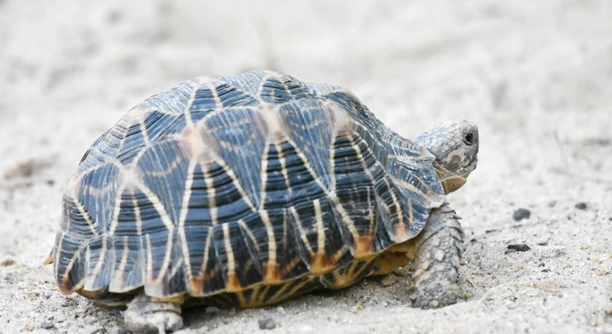
The Indian Star Tortoise is a fascinating species, often admired for its unique shell patterns. Understanding the signs of breeding condition can help ensure proper care for your pet during this critical time.
When an Indian Star Tortoise enters breeding condition, it exhibits specific behavioral and physical changes. These include increased activity, distinct vocalizations, and a noticeable shift in behavior. You may also observe changes in their appetite and shell appearance.
Recognizing these signs early helps you provide the right environment for your tortoise’s well-being during the breeding season.
Increase in Activity and Restlessness
As your Indian Star Tortoise enters breeding condition, it becomes more active and may display restlessness. You might notice it moving around more often or exploring its habitat in ways it hasn’t before. This increased activity is a natural part of the breeding process, as tortoises search for potential mates or suitable nesting sites.
During this time, tortoises may spend more time walking around their enclosure, even if it’s just to establish a dominant territory. If you have more than one tortoise, they may also become more vocal and interact with each other more frequently. It’s important to give them ample space to avoid stress, as overcrowding can hinder their ability to freely exhibit natural behaviors.
Providing enough room and hiding spots in the enclosure helps reduce stress. It is also essential to monitor their movements closely, as this can be an indicator of potential reproductive activity, such as mating attempts or territorial displays.
Changes in Behavior
During breeding season, your tortoise’s behavior may drastically shift. A normally docile tortoise could show aggression or become more territorial.
Male tortoises, in particular, may begin head bobbing, which is often a sign of courtship behavior. They might also start ramming into objects or other tortoises to assert dominance. These behaviors are common during breeding season and should not cause concern unless they lead to injury.
Changes in Appetite
During breeding condition, your tortoise may show noticeable changes in appetite. Some may eat more than usual, while others may lose interest in food. These fluctuations are common and are often tied to hormonal changes.
While an increase in appetite may be a sign of increased energy needs for breeding, a lack of interest in food could indicate stress or discomfort. Ensure your tortoise has access to fresh food and clean water. If food refusal lasts for several days, it’s important to check for signs of health issues or environmental stressors.
Adjusting the diet and ensuring the right temperature can also encourage normal eating habits. If you suspect other factors, a visit to the vet may be necessary.
Altered Shell Appearance
Your Indian Star Tortoise’s shell may begin to look different during the breeding season. A slight dulling or darkening of the shell could occur due to hormonal shifts and increased activity.
In some cases, males may exhibit slight changes in the shape of their shell, with the plastron becoming more concave. This is a typical physical sign in male tortoises, as it allows them to mount females. A tortoise’s shell may also become slightly rougher during this period. Be sure to monitor their shell regularly to ensure no injury or signs of infection occur during these changes.
Increased Vocalization
When in breeding condition, your tortoise might start vocalizing more frequently. This could involve grunting or other noise-making behaviors, especially when interacting with other tortoises. These sounds are part of their communication during mating season.
Male tortoises are especially prone to increased vocalization as they try to assert dominance or attract mates. If these sounds become disruptive or aggressive, ensure your tortoise has enough space and is not feeling threatened. Allow them to express these behaviors in a safe environment to reduce stress.
Behavioral Shifts Toward Mating
During breeding season, male tortoises may become more focused on finding a mate. They may start following females closely or showing an increase in head-bobbing behavior. These actions are part of their courtship rituals.
Females, on the other hand, may show signs of acceptance or resistance based on their readiness to mate. If you have multiple tortoises, it’s essential to monitor them closely for any signs of aggression or territorial behavior. Providing adequate space and a stress-free environment can support successful mating behavior during this period.
FAQ
How do I know if my Indian Star Tortoise is ready to breed?
Your Indian Star Tortoise is likely ready to breed when it shows increased activity, changes in appetite, and more frequent vocalizations. Males typically display head bobbing and may follow females closely. Females may become more territorial or exhibit signs of restlessness. Pay attention to their behavior, especially around the breeding season.
What signs should I look for to ensure my tortoise is healthy during breeding?
To ensure your tortoise is healthy during breeding, look for consistent eating habits, clear and bright eyes, and a smooth, clean shell. Monitor their activity level as it increases, but be mindful of signs of stress or lethargy. A sudden loss of appetite or difficulty moving could indicate health concerns.
Can I breed my Indian Star Tortoise in captivity?
Breeding your Indian Star Tortoise in captivity is possible if the environment is right. Ensure the enclosure is large enough to allow natural behaviors and that temperature and humidity levels are appropriate. You’ll need to provide proper nesting sites for the female and monitor both tortoises for any signs of aggression or stress.
How can I create a suitable breeding environment for my tortoises?
To create a suitable breeding environment, ensure the temperature is kept within the optimal range of 80-85°F (27-29°C) during the day and a cooler nighttime temperature of 70-75°F (21-24°C). Humidity should be moderate, and there should be enough space for both tortoises to move freely. Include a dry, sandy area for the female to dig and lay eggs if mating occurs.
How long does it take for Indian Star Tortoises to mate?
Mating can last anywhere from 15 to 30 minutes. During this time, males may try to mount the female multiple times. Once mating has occurred, the female may lay eggs in the following weeks. Mating may happen several times during the breeding season.
What should I do if my tortoises show aggression during mating season?
If your tortoises show aggression during mating season, ensure they have enough space to avoid conflicts. Aggressive behaviors, such as biting or ramming, can occur if they feel crowded or stressed. If aggression persists, it may be necessary to separate them temporarily and provide them with separate enclosures until mating season ends.
How do I care for a female tortoise after she lays eggs?
After a female tortoise lays eggs, it’s important to ensure she has a quiet, safe environment to recover. Provide her with extra food and water, as egg-laying can be physically demanding. Be sure to check for any signs of injury or stress, and provide additional calcium and vitamins to support her recovery.
How can I tell if my tortoise is pregnant?
You can often tell if a female tortoise is pregnant by observing a slightly swollen belly, particularly around the time she is preparing to lay eggs. She may also display changes in behavior, like digging or becoming more reclusive. If you suspect pregnancy, provide her with a suitable nesting area to lay eggs.
What are the risks of breeding Indian Star Tortoises in captivity?
The main risks of breeding Indian Star Tortoises in captivity include health complications from inadequate care, stress from overcrowding, or improper environmental conditions. There is also the risk of egg retention if the female is unable to lay her eggs, which can lead to serious health issues. Breeding tortoises requires careful monitoring and preparation.
How can I prevent inbreeding in my Indian Star Tortoises?
To prevent inbreeding, ensure that your tortoises come from different genetic lines. If you only have one male and one female, consider introducing a new male from a different breeder. If you plan to breed, keep detailed records of their lineage to avoid mating close relatives.
How often do Indian Star Tortoises breed?
Indian Star Tortoises generally breed once a year, typically during the warmer months. However, this can vary depending on environmental factors, age, and health of the tortoises. Males may try to mate with females throughout the breeding season, but it is more common during specific months of the year.
What is the incubation period for Indian Star Tortoise eggs?
The incubation period for Indian Star Tortoise eggs is typically around 80 to 120 days, depending on the temperature and humidity levels. The eggs should be kept in a warm, humid environment. The correct conditions will help ensure healthy hatchlings when the eggs eventually begin to crack open.
How can I help my tortoises mate successfully?
To help your tortoises mate successfully, provide them with a spacious, comfortable environment that mimics their natural habitat. Ensure they have access to proper food, water, and a place to dig. Observe their behavior closely to ensure no signs of stress or aggression occur during mating.
Can I separate my tortoises after mating?
It is generally safe to separate tortoises after mating if they show signs of aggression or stress. Males may become more persistent in trying to mate, while females may need time to recover. Separation can also reduce the risk of injury and provide a calm environment for the female to lay eggs.
What should I do if my tortoise stops eating during breeding season?
If your tortoise stops eating during breeding season, ensure its enclosure remains at the right temperature and humidity levels. Sometimes a loss of appetite is a result of stress or environmental changes. If the behavior persists for more than a few days, consider consulting a veterinarian to rule out health issues.
How do I know if my tortoise’s eggs are fertile?
You can check if the eggs are fertile by gently candling them around 10 to 14 days after they are laid. Fertile eggs will show a network of veins inside, while infertile eggs will be clear. However, it’s best to leave the eggs undisturbed for the first few weeks to ensure successful hatching.
How do I handle my tortoises after they breed?
After your tortoises breed, avoid handling them excessively as it can cause stress. Allow them time to rest and recover in a quiet, secure environment. Only interact with them if necessary, and monitor their behavior for any signs of injury or discomfort.
Final Thoughts
Breeding Indian Star Tortoises requires careful planning and attention to their specific needs. Understanding the signs that indicate breeding condition, along with creating a proper environment, is essential for successful mating. Proper care ensures that both the male and female are healthy and comfortable, minimizing stress and aggression. It’s important to monitor their behavior closely throughout the process and be ready to separate them if necessary. Breeding should not be rushed, as the tortoises will need time to adjust to each other’s presence and to the changes in their environment.
Another key factor is the health and well-being of the female tortoise, especially after laying eggs. Egg-laying can be a physically demanding process, so providing extra food, water, and rest is important. Creating a safe, quiet space for recovery will allow the female to regain strength and avoid stress. Regular checks for signs of distress or illness should be made during and after the breeding season. If any issues arise, reaching out to a vet specializing in reptiles can help prevent complications. The right care will also ensure that the eggs are properly incubated and have the best chance of hatching successfully.
Lastly, breeding Indian Star Tortoises should never be taken lightly. It’s essential to consider the responsibilities involved, including the care of hatchlings and the future of the tortoises. Captive breeding can contribute to the population of these beautiful reptiles, but it requires dedication and knowledge. Providing the right environment, being prepared for all aspects of the breeding process, and prioritizing the health of the tortoises will help ensure that they thrive in captivity. If you are considering breeding your Indian Star Tortoises, make sure you’re fully prepared and have the necessary resources to support them through this important phase.

Hello,
If you enjoy the content that we create, please consider saying a "Thank You!" by leaving a tip.
Every little bit helps us continue crafting quality advice that supports the health, happiness, and well-being of pets around the world, for pets of all shapes, sizes, and species.
We really appreciate the kindness and support that you show us!