
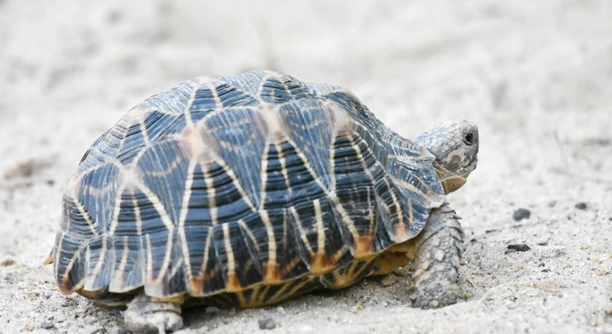
Is your Indian star tortoise struggling with the intense heat? High temperatures can put stress on these reptiles, affecting their health and behavior. Keeping them cool and comfortable is essential to ensure their well-being during the hottest months.
To keep your Indian star tortoise healthy in hot weather, provide adequate shade, maintain proper hydration, and regulate enclosure temperatures. Using cooling methods like misting, offering fresh water, and adjusting basking spots can prevent overheating and dehydration, ensuring a stable environment.
Understanding how to manage heat effectively will help keep your tortoise comfortable and active. Simple adjustments can make a big difference in maintaining their health and preventing heat-related issues.
Provide Plenty of Shade and Ventilation
A well-shaded area is essential for keeping your Indian star tortoise cool. Direct sunlight can quickly raise their body temperature, leading to stress and dehydration. Create shaded spots using plants, wooden shelters, or breathable covers. Good airflow is just as important. Stagnant air can trap heat, making the environment unbearable. If your tortoise lives in an outdoor enclosure, position it in a location with natural shade. For indoor enclosures, avoid placing them near windows with direct sunlight. Ensuring proper ventilation and shade helps regulate temperature, preventing overheating and keeping your tortoise comfortable in hot weather.
A shaded, well-ventilated space allows your tortoise to retreat from extreme heat. Without it, they may struggle to regulate their body temperature, leading to potential health problems.
Combine natural and artificial shade to create a balanced environment. Adding lightweight covers over part of the enclosure while allowing airflow ensures protection from heat without creating humidity buildup.
Keep Your Tortoise Hydrated
Dehydration can be dangerous, especially during hot weather. Indian star tortoises need access to fresh water at all times. Shallow dishes allow them to drink and soak, preventing dryness. Mist their enclosure occasionally to maintain proper humidity levels.
In extreme heat, increase hydration efforts by providing moisture-rich foods like cucumber, watermelon, and leafy greens. A shallow soaking dish can help keep their skin hydrated while allowing them to cool off naturally. Avoid deep water sources, as tortoises are not strong swimmers. Check water bowls regularly, refilling them when needed to prevent evaporation. If the weather is particularly hot, misting the enclosure lightly in the morning and evening can help maintain a comfortable level of moisture. Hydration is key to keeping your tortoise healthy, active, and comfortable during high temperatures.
Adjust Basking and Shelter Areas
Basking spots should not be too hot, as excessive heat can stress your tortoise. Keep the temperature between 85-90°F, ensuring a cooler retreat nearby. A shaded hideout allows them to regulate their body temperature and avoid overheating during peak hours.
Use a thermometer to monitor basking areas and adjust heat lamps or natural sun exposure accordingly. If your tortoise stays outside, position basking spots where they receive morning sun but remain shaded in the afternoon. In an indoor setup, use ceramic heat emitters instead of direct bulbs to maintain a steady temperature without adding excess heat. Providing different temperature zones helps your tortoise move between warmth and shade as needed.
A proper shelter should be spacious, insulated, and well-ventilated. Materials like wood or clay retain less heat than plastic, creating a comfortable retreat. Placing damp moss or soil inside the shelter adds cooling effects while maintaining humidity. Avoid overcrowding the enclosure with unnecessary objects that might trap heat.
Feed Cooling and Hydrating Foods
Certain foods help keep your tortoise hydrated while providing essential nutrients. Offer moisture-rich vegetables like cucumber, zucchini, and lettuce. Fruits like watermelon and papaya can be given in moderation, as their high water content helps with hydration. Avoid dry, processed foods that may contribute to dehydration.
Leafy greens should make up the bulk of their diet, ensuring a balance of hydration and fiber. Soaking greens before feeding adds extra moisture. Calcium-rich foods like dandelion greens support shell health while preventing dehydration-related issues. Feeding in the early morning or late evening helps reduce stress from eating in high temperatures.
Fresh water should always be available, and food should be placed in a shaded area to prevent wilting. Rotating different cooling foods keeps their diet varied while ensuring they receive proper hydration.
Mist and Soak Regularly
Misting the enclosure helps maintain humidity and provides a cooling effect. Lightly spray the enclosure in the morning and evening, avoiding excessive moisture buildup. This prevents dehydration while keeping your tortoise comfortable in hot weather. Ensure the enclosure dries properly to prevent mold growth.
A shallow soaking dish allows your tortoise to cool off naturally. Place it in a shaded area and refresh the water daily. A short soak a few times a week helps regulate body temperature and keeps their skin hydrated. Avoid deep water, as tortoises are not strong swimmers.
Monitor for Signs of Overheating
Lethargy, loss of appetite, and excessive digging can indicate overheating. If your tortoise is breathing heavily or staying hidden for long periods, their environment may be too hot. Immediate cooling measures, like misting or moving them to a cooler spot, can prevent serious health issues.
Avoid Overcrowding the Enclosure
An overcrowded enclosure traps heat and reduces airflow, making it harder for your tortoise to cool down. Keep the space open and well-ventilated, ensuring there is plenty of room for movement. Providing separate basking, cooling, and feeding areas helps maintain a comfortable and stress-free environment.
FAQ
How can I tell if my Indian star tortoise is too hot?
Signs of overheating in your tortoise include excessive panting, staying in the shade for long periods, loss of appetite, and lethargy. They may also start digging more than usual or hide in an attempt to escape the heat. If you notice these signs, take immediate action to cool their environment.
What is the ideal temperature for an Indian star tortoise during hot weather?
The ideal temperature for basking should be between 85-90°F. However, it’s important to have cooler areas in their enclosure where they can retreat if they get too warm. Ensure their shelter remains shaded, and the basking area doesn’t exceed 95°F to prevent stress.
Can I leave my tortoise outside during the summer?
Yes, you can leave your Indian star tortoise outside in summer, but you need to ensure they have access to shade, fresh water, and a sheltered spot to escape the heat. Keep an eye on the temperature and never leave them in direct sunlight for long periods.
How often should I mist my tortoise’s enclosure during hot weather?
Misting once or twice a day should suffice. Avoid over-misting as this can create excess moisture and humidity. Light, consistent misting helps cool the environment and prevents dehydration while maintaining a comfortable atmosphere for your tortoise.
What should I do if my tortoise is not drinking enough water?
If your tortoise isn’t drinking water, try offering foods with high water content, such as cucumber or watermelon. You can also soak your tortoise in shallow water to encourage drinking and rehydration. If the issue persists, consult a vet.
Can I use a heat lamp in their enclosure during the summer?
Yes, a heat lamp can be used, but make sure it does not create excessive heat in the enclosure. During hot weather, it’s important to monitor the temperature carefully, as the heat lamp can raise the ambient temperature, which may make your tortoise uncomfortable.
What is the best way to cool down my tortoise’s enclosure?
To cool down the enclosure, move it to a shaded area, use fans for ventilation, and remove any excess heat sources. You can also place damp towels or sheets around the enclosure to help regulate the temperature. Be mindful of airflow to prevent humidity buildup.
Should I feed my tortoise differently in hot weather?
In hot weather, it’s important to offer moisture-rich foods, such as cucumbers, leafy greens, and fruits like watermelon. Avoid offering dry foods that can contribute to dehydration. You should also feed them during cooler parts of the day, like early mornings or late evenings.
Is it safe to let my tortoise swim in water?
Indian star tortoises are not strong swimmers, so it’s best not to let them swim in deep water. However, providing a shallow soaking dish where they can soak and hydrate is perfectly safe. Always supervise them to ensure they don’t accidentally get stuck or overwhelmed by the water.
How can I protect my tortoise from heat stress?
To prevent heat stress, make sure your tortoise has access to plenty of shade, fresh water, and a cool place to retreat to when necessary. Provide good airflow in their enclosure and adjust the basking area to avoid overheating. Always monitor their behavior for signs of stress.
What are some signs that my tortoise might be dehydrated?
Dehydration signs in your tortoise include dry, flaky skin, lethargy, lack of appetite, and sunken eyes. If you notice any of these signs, increase their water intake by soaking them or offering high-water-content foods. If dehydration persists, seek veterinary help.
Can I use a fan to cool my tortoise’s enclosure?
Yes, using a fan is a great way to improve ventilation and keep the enclosure cool. Place the fan in a way that ensures airflow without creating a draft that might cause discomfort. It helps maintain a stable temperature and humidity level within the enclosure.
What humidity level is ideal for my tortoise in hot weather?
Aim for a humidity level of around 50-60% in their enclosure. Too much humidity can make them uncomfortable, while too little can cause dehydration. Light misting and a shallow water dish can help maintain the right balance without overdoing it.
Is it necessary to provide a cooler area in their enclosure?
Yes, it’s essential to provide a cooler area in the enclosure where your tortoise can retreat when they need to escape the heat. This area should be well-ventilated, shaded, and away from the basking spot to allow them to regulate their body temperature naturally.
Can I use ice packs to cool down my tortoise’s habitat?
It’s not recommended to use ice packs directly in the enclosure, as sudden temperature changes can cause stress. However, you can place ice packs near the enclosure to cool the air surrounding it, provided they are well-insulated and not directly touching the tortoise’s space.
Final Thoughts
Caring for your Indian star tortoise during hot weather requires attention and preparation. By providing a proper environment with shade, water, and ventilation, you can help your tortoise stay comfortable and healthy. Overheating can lead to serious health issues, so it’s essential to monitor the temperature and humidity levels regularly. Keeping their enclosure well-ventilated and providing cooler areas where they can retreat helps reduce the risk of heat stress.
Maintaining a proper diet is another key factor. During hot weather, it’s important to offer foods that are hydrating, such as fruits and vegetables with high water content. These foods not only help keep your tortoise hydrated but also provide the necessary nutrients. Avoid offering dry or hard-to-digest food that can contribute to dehydration. If your tortoise refuses to drink water, soaking them or offering wet foods can encourage hydration. Always be mindful of the temperature during feeding time and try to avoid offering food when it’s too hot.
Lastly, it’s important to stay vigilant for any signs of stress or discomfort in your tortoise. Watch for behaviors like lethargy, heavy breathing, or a lack of appetite. If you notice these signs, take immediate action to cool the environment or offer a break from the heat. Regularly checking on your tortoise, ensuring their enclosure is in optimal condition, and offering appropriate food and water will help them stay healthy. With proper care and attention, your Indian star tortoise can thrive even in hot weather.

Hello,
If you enjoy the content that we create, please consider saying a "Thank You!" by leaving a tip.
Every little bit helps us continue crafting quality advice that supports the health, happiness, and well-being of pets around the world, for pets of all shapes, sizes, and species.
We really appreciate the kindness and support that you show us!