
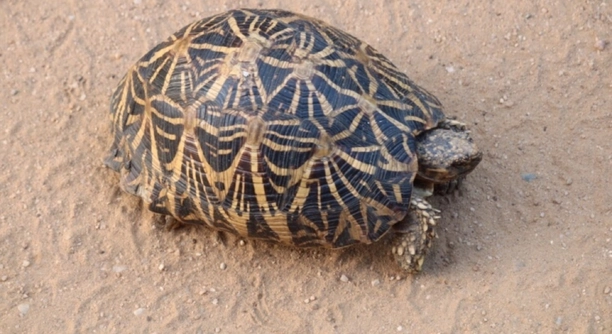
Is your Indian star tortoise tank set up to provide the right balance of comfort and stimulation? Choosing the right decor is essential for creating a safe, enriching environment that meets your tortoise’s needs while also enhancing the overall look of the habitat.
The key factors to consider when selecting tank decor include safety, material type, humidity control, and enrichment. Using non-toxic, smooth-edged decorations, incorporating proper hiding spots, and ensuring the decor supports a stable environment will help maintain your tortoise’s health and well-being.
Understanding these factors will help you create a space that promotes natural behaviors and keeps your tortoise comfortable in its habitat.
Choose Safe and Non-Toxic Materials
When selecting decor for your Indian star tortoise’s tank, safety should be the top priority. Avoid decorations with sharp edges or small parts that could cause injury. Stick to natural materials like smooth rocks, untreated wood, and reptile-safe artificial plants. These options minimize health risks and create a more natural habitat. Some plastics can release harmful chemicals, so always check for reptile-safe labels before adding items to the enclosure. Additionally, avoid chemically treated wood or painted objects that could flake and be accidentally ingested by your tortoise.
Tortoises may nibble on their surroundings, so choosing decor that won’t harm them is essential. Some materials can also alter humidity levels, so keeping a balance is key to maintaining their environment.
By prioritizing non-toxic materials, you can create a habitat that is both visually appealing and safe. A well-planned setup will contribute to your tortoise’s overall health and comfort.
Provide Hiding Spots for Security
Tortoises need hiding places to feel secure. Without them, they may become stressed, which can affect their eating habits and overall well-being.
Incorporating natural-looking hides, such as hollow logs, caves, or overturned plant pots, provides your tortoise with a sense of security. These shelters allow them to retreat when they feel threatened or need a break from activity. Position hides in different areas of the tank to create variety and encourage movement. Make sure the hides are spacious enough for your tortoise to fit comfortably but snug enough to offer a feeling of protection.
A well-placed hiding spot will help regulate your tortoise’s stress levels and encourage natural behaviors. It also provides a cozy space for rest, which is crucial for their overall health. By ensuring your tortoise has access to suitable hiding places, you can create a comfortable and secure environment.
Maintain Proper Humidity Levels
Indian star tortoises need a stable humidity level to stay healthy. If the humidity is too low, they may experience shell problems or dehydration. Too much humidity can encourage bacterial growth. Using the right decor helps regulate moisture and keeps the enclosure comfortable.
Adding natural materials like sphagnum moss, coconut fiber, or damp soil in designated areas can help maintain proper humidity. Placing a shallow water dish in the enclosure also contributes to moisture levels without making the habitat too damp. Avoid using absorbent bedding that retains excessive moisture, as it can lead to shell rot or fungal infections. Regularly monitoring humidity with a digital hygrometer ensures it stays within the ideal range for your tortoise.
Proper humidity control supports shell growth, prevents respiratory issues, and keeps your tortoise comfortable. A well-balanced environment reduces stress and allows your tortoise to thrive. Simple adjustments in decor can make a significant difference.
Ensure a Comfortable Basking Area
A well-designed basking area helps regulate body temperature and digestion. Indian star tortoises need a warm spot to absorb heat, which supports their metabolism. Without a proper basking area, they may become lethargic or struggle with digestion issues. A stable heat source is essential for their overall well-being.
Using a flat, heat-retaining surface like slate or smooth stone under a basking lamp helps your tortoise absorb warmth efficiently. Place the basking spot in an open area so they can easily access it. The temperature should remain around 90–95°F. To prevent overheating, position the heat source at an appropriate distance and provide cooler zones in the enclosure. This temperature gradient allows your tortoise to self-regulate their body heat.
A proper basking setup encourages natural behaviors, such as stretching out to absorb heat. It also helps with food digestion and overall energy levels. Keeping the area well-maintained ensures your tortoise remains active and healthy.
Add Substrate for Comfort and Digging
A suitable substrate provides comfort and encourages natural behaviors like digging. A mix of soil, coconut coir, and cypress mulch works well for Indian star tortoises. Avoid rough or artificial bedding that can cause discomfort or harm their shells and feet.
Substrate depth should be at least a few inches to allow gentle burrowing. Keeping it slightly moist helps maintain humidity without making it too damp. Regularly cleaning and replacing dirty substrate prevents bacteria buildup and keeps the enclosure fresh. A well-chosen substrate contributes to a healthier, more comfortable habitat.
Incorporate Climbing and Exploration Features
Adding rocks, sturdy logs, and gentle slopes keeps your tortoise engaged and encourages movement. These features help strengthen their muscles and prevent boredom. Keep climbing elements stable to avoid tipping over. A varied terrain makes the habitat more interesting and promotes natural activity without making it too challenging.
Avoid Overcrowding the Tank
Too many decorations can limit movement and create stress. Tortoises need open spaces to explore freely. Keeping the setup simple prevents unnecessary obstacles and ensures they have enough room to roam comfortably. A well-balanced enclosure provides enrichment while allowing easy access to basking and hiding areas.
FAQ
What type of substrate is best for an Indian star tortoise?
A mix of organic topsoil, coconut coir, and cypress mulch works well. These materials hold moisture without becoming too damp, helping maintain proper humidity levels. Avoid artificial bedding like reptile carpet or gravel, as these can be uncomfortable and may cause health issues.
How often should I clean the tank decor?
Spot-cleaning should be done daily to remove waste and uneaten food. A deeper cleaning of decorations, substrate, and hiding spots should be done every two to four weeks. Regular cleaning prevents bacteria buildup and keeps your tortoise’s environment fresh and safe.
Do Indian star tortoises need hiding spots?
Yes, they need secure hiding areas to feel safe and reduce stress. Natural hides like logs, cork bark, or small caves mimic their natural environment. Having multiple hiding spots across the tank allows them to regulate their body temperature and retreat when needed.
Can I use live plants in the tank decor?
Yes, but choose non-toxic plants like hibiscus, spider plants, or aloe vera. Live plants improve air quality and provide natural humidity. However, tortoises may eat them, so replace them as needed. Secure plants in pots or embed them firmly in the substrate to prevent digging accidents.
What kind of basking platform works best?
A smooth, flat rock or slate tile is ideal. These materials absorb heat efficiently and provide a stable surface for basking. Avoid rough or jagged surfaces that could harm your tortoise’s shell. Position the platform under the basking light to ensure optimal warmth.
Should I add climbing structures?
Yes, but keep them low and stable to prevent falls. Smooth rocks, small logs, and gentle slopes encourage exercise without posing a risk. Indian star tortoises are not strong climbers, so avoid steep or unstable structures that could cause injury.
How can I maintain proper humidity in the tank?
Use a digital hygrometer to monitor humidity levels. Misting the substrate lightly, adding a water dish, and incorporating moisture-retaining materials like sphagnum moss can help. Avoid over-saturating the enclosure, as excessive humidity can lead to shell rot and respiratory infections.
Do tortoises need UVB lighting?
Yes, UVB lighting is essential for calcium absorption and shell health. Without it, they risk developing metabolic bone disease. Provide a UVB bulb that covers at least half the tank and replace it every six months for consistent exposure.
Can I use artificial plants instead of live ones?
Yes, artificial plants provide decoration without the risk of being eaten or damaged. Choose ones made from non-toxic materials, and ensure they are securely placed to prevent accidental ingestion. Clean them regularly to remove dust and bacteria buildup.
How much space should I leave open in the enclosure?
At least half of the enclosure should remain open to allow free movement. Overcrowding the space with too many decorations can make it difficult for your tortoise to navigate. A balance between enrichment and open space ensures a comfortable environment.
What temperature should the tank be?
The warm side should be around 85–90°F, while the basking area should reach 90–95°F. The cooler side should stay between 75–80°F. A temperature gradient allows your tortoise to regulate its body heat. Use a reliable thermostat to maintain consistent temperatures.
Can I use sand as a substrate?
No, sand can cause impaction if ingested. It is also too dry and does not hold humidity well. A mix of soil, coconut coir, and cypress mulch is a better option for maintaining proper moisture levels and promoting natural digging behavior.
How do I prevent mold or bacteria growth in the enclosure?
Ensure good ventilation and avoid excessive moisture buildup. Regularly replace damp substrate and clean hiding spots. Using a shallow water dish instead of misting heavily can help control humidity levels without making the enclosure too wet.
Do Indian star tortoises need a water dish?
Yes, they need a shallow water dish for drinking and soaking. The dish should be easy to access and not too deep to prevent drowning risks. Change the water daily to keep it fresh and clean.
What should I avoid using in tank decor?
Avoid sharp objects, artificial grass, and small loose decorations that could be swallowed. Anything unstable or rough can cause injury. Stick to natural materials that provide comfort and safety for your tortoise.
Final Thoughts
Creating a comfortable and safe environment for an Indian star tortoise takes careful planning. The right substrate, lighting, temperature, and humidity levels all play a role in their health. Choosing safe tank decor, like smooth rocks, natural hiding spots, and stable climbing structures, ensures they can explore without injury. Regular cleaning and maintenance help prevent bacteria buildup and keep the space fresh. A well-designed enclosure not only supports their physical well-being but also helps them feel secure and relaxed. Keeping their needs in mind allows them to thrive in captivity.
A balanced diet, proper hydration, and access to UVB lighting are just as important as the tank setup. Providing a variety of leafy greens, occasional fruits, and calcium supplements helps maintain their overall health. Fresh water should always be available, and a shallow dish for soaking can prevent dehydration. Regular check-ups with a reptile vet can catch potential health issues early. Even with the best setup, monitoring their behavior is essential. Signs of stress, lack of appetite, or unusual activity levels may indicate that something needs adjustment in their care routine.
Consistency is key when caring for an Indian star tortoise. Sticking to a schedule for feeding, cleaning, and temperature regulation helps them adjust to their environment. Small changes, like rearranging decor or introducing new hiding spots, can provide enrichment without causing stress. While they are low-maintenance compared to some reptiles, they still require attention and care. Understanding their needs and making adjustments as necessary ensures they remain healthy and comfortable. With proper care, they can live a long, fulfilling life in captivity.

Hello,
If you enjoy the content that we create, please consider saying a "Thank You!" by leaving a tip.
Every little bit helps us continue crafting quality advice that supports the health, happiness, and well-being of pets around the world, for pets of all shapes, sizes, and species.
We really appreciate the kindness and support that you show us!