
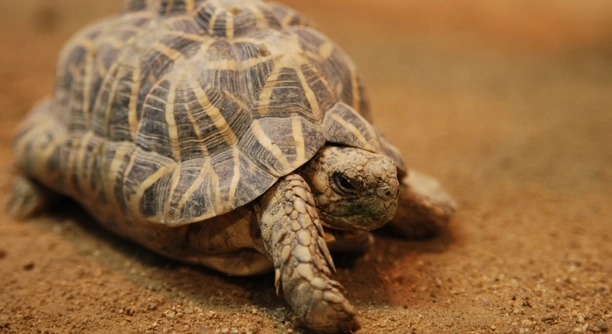
Is your Indian Star Tortoise not eating as much as usual? It can be concerning when your pet isn’t as hungry, but there are several things you can do to help get them back to their usual eating habits.
The most common reasons for loss of appetite in Indian Star Tortoises include improper temperature, stress, or health issues. Ensuring a proper habitat, offering varied food options, and checking for signs of illness can help stimulate their appetite.
Understanding how to handle your tortoise’s appetite issues is important for their well-being. With the right care and attention, you can help your tortoise feel better and return to their regular eating habits.
Check the Temperature and Lighting
Temperature plays a key role in your tortoise’s health and appetite. If your Indian Star Tortoise’s environment is too cold or too hot, it can cause them to eat less. These tortoises require a basking area with temperatures between 90-95°F and a cooler area around 75°F. Make sure your UVB light is working as well, as they need proper lighting for digestion and overall health. If their environment is off, they may become lethargic and lose interest in food.
Ensure their enclosure has both a warm basking spot and a cooler area to regulate their body temperature effectively.
By keeping the temperature steady, you help your tortoise feel comfortable enough to eat. It’s important to also monitor their behavior. If they seem overly sluggish or restless, their environment may be too extreme. Simple adjustments like moving the heat lamp or adding a cooler spot can make a significant difference in their appetite. Try to maintain a consistent day-night cycle with appropriate lighting to support their natural rhythms.
Evaluate Their Diet
The right food choices are essential to keeping your tortoise healthy. If they aren’t eating, it might be because they aren’t interested in the food provided. Indian Star Tortoises typically eat a mix of leafy greens, such as dandelion greens, collard greens, and a variety of grasses. Offering a variety of fresh foods helps keep their meals interesting. If you’re only offering one or two types of food, they may lose interest quickly.
Make sure to also offer food that’s high in fiber and calcium to support their shell growth and overall health.
A balanced diet is necessary for your tortoise to maintain energy and appetite. If they’ve been eating the same few things for a while, try switching things up. Adding in flowers, fruits, or different greens can help tempt them to eat. Also, ensure you wash the food thoroughly to remove any chemicals or pesticides that could cause stomach discomfort. Keeping their diet fresh and varied can make a huge difference when it comes to keeping their appetite healthy.
Check for Stress
Stress is a common reason for a loss of appetite in tortoises. Changes in their surroundings, handling, or even new pets in the home can make them anxious. Make sure your tortoise’s enclosure is in a quiet, calm space where they don’t feel threatened or disturbed.
Tortoises are sensitive to their environment, and a stressful situation can cause them to stop eating. If they are frequently moved around, handled, or exposed to loud noises, it can lead to anxiety. This makes it harder for them to settle in and enjoy their meals.
Observe their behavior to see if there are signs of stress, like hiding or pacing. If possible, provide a safe, consistent area where they can feel secure. It’s important to avoid sudden changes to their routine or living space. Over time, creating a stress-free environment will help your tortoise regain its appetite and feel comfortable enough to eat.
Rule Out Health Problems
If your tortoise is still not eating, it’s important to rule out any health issues. Illness can affect their appetite, making them disinterested in food. Common problems like respiratory infections, parasites, or digestive issues might be at play.
Check for signs such as a runny nose, lethargy, or difficulty breathing. If you notice any of these symptoms, it’s best to take them to the vet for a proper diagnosis.
An accurate diagnosis is crucial for finding the right treatment. Some health issues, like a bacterial infection or parasites, require medication or changes in diet to help your tortoise recover. Don’t ignore any physical signs of illness. The sooner you address potential health problems, the quicker your tortoise can start eating again. Regular check-ups with a vet can also help spot issues before they become serious.
Ensure Proper Hydration
If your tortoise is dehydrated, it can cause a loss of appetite. Make sure they have access to clean water at all times. Dehydration can also lead to other health issues, such as constipation, which can affect their eating habits.
To encourage drinking, you can try soaking your tortoise in shallow water for 15-20 minutes a few times a week. This can help with hydration and overall digestion. Always monitor their water intake and make sure their dish is fresh and clean daily. Keeping them well-hydrated will help them feel better and eat more regularly.
Check for Parasites
Parasites are another common cause of a loss of appetite in tortoises. Intestinal worms or other parasites can interfere with their digestion and overall health. These can lead to weight loss, lethargy, and a decrease in food intake.
If you notice signs like soft stools, weight loss, or lethargy, consider having your tortoise checked for parasites. A vet can prescribe treatments such as deworming medication if necessary. Treating parasites is essential to getting your tortoise back to its healthy eating habits. Regular check-ups can help catch parasitic infections early before they affect your tortoise’s appetite.
FAQ
What should I do if my Indian Star Tortoise refuses to eat?
If your tortoise is not eating, first ensure their habitat is set up correctly. The temperature should be between 75-95°F, and they should have access to UVB light. Try offering a variety of fresh foods, like dandelion greens, hibiscus flowers, and grasses, to see if they become more interested. Check for signs of stress, illness, or dehydration as well. If they continue to refuse food, consider visiting a vet to rule out any health issues.
How do I know if my tortoise is sick?
Tortoises showing signs like lethargy, wheezing, runny nose, or discharge from the eyes may be ill. Other symptoms include abnormal stool, swelling, and changes in the shell. If your tortoise seems unusually quiet or is hiding more than usual, it might also indicate a health issue. Immediate vet attention is recommended for a proper diagnosis.
Is it normal for my tortoise to stop eating during the winter?
Yes, many tortoises naturally eat less in the colder months. This is due to their slow metabolism, as they prepare for brumation (a form of hibernation). However, if your tortoise is not eating at all for an extended period, check their environment for proper temperature and lighting, and ensure they are not sick. A vet visit might be necessary if the issue persists.
How can I help my tortoise drink more water?
Dehydration can contribute to loss of appetite. To encourage water intake, soak your tortoise in a shallow dish of lukewarm water for 15-20 minutes a few times a week. This not only helps with hydration but also aids in digestion. Additionally, make sure their water bowl is always clean and filled with fresh water.
Should I be worried if my tortoise isn’t eating every day?
Tortoises are not always daily eaters and may skip meals now and then. However, if your tortoise consistently refuses to eat or shows other signs of distress, it’s important to investigate. Check their habitat, diet, and behavior for potential causes like stress, dehydration, or illness. Prolonged lack of appetite requires attention from a vet.
Can I feed my tortoise fruits and vegetables?
Yes, fruits and vegetables can be part of a balanced diet for your Indian Star Tortoise. Offer foods such as leafy greens (like kale and collard greens), dandelion greens, and cactus pads. Fruits should be given sparingly, as too much sugar can upset their digestive system. Always wash produce thoroughly before offering it to avoid pesticides.
Why is my tortoise losing weight?
Weight loss in tortoises can result from improper diet, dehydration, or illness. If your tortoise is eating less or not at all, check for signs of digestive issues, stress, or illness. Parasites are also a common cause of weight loss. A vet visit is essential to determine the cause and treatment plan.
Can I handle my tortoise if it’s not eating?
Handling a tortoise when it’s not eating may increase stress, which can make the situation worse. Give your tortoise some time to settle into a comfortable environment, and avoid excessive handling. If you must handle them, keep it brief and gentle. Try to create a calm, stress-free environment so they can focus on eating and staying hydrated.
How long can my tortoise go without food?
Indian Star Tortoises can survive without food for several weeks, especially if they have good hydration. However, a prolonged lack of food is not ideal for their health. If your tortoise is refusing food for more than a few days, it’s important to identify the cause and address it, either by improving their habitat or seeking professional help.
How can I tell if my tortoise is stressed?
Signs of stress in tortoises include excessive hiding, refusal to eat, rapid breathing, or constant pacing. Changes in their environment, improper handling, or new pets can trigger stress. Maintaining a consistent, peaceful environment will help your tortoise feel secure and reduce anxiety. Always keep their enclosure in a calm area of the house.
Final Thoughts
If your Indian Star Tortoise is losing its appetite, there could be a variety of factors at play. Environmental conditions like temperature and lighting are crucial, so it’s essential to make sure your tortoise’s habitat is set up properly. A basking spot with temperatures between 90-95°F and a cooler area around 75°F will keep your tortoise comfortable and support their digestive system. A well-lit enclosure with a working UVB light is just as important, as it helps them process food. If any of these factors are out of balance, your tortoise may not feel like eating, which can lead to bigger health concerns if left unaddressed.
Aside from the environment, diet and hydration play significant roles in appetite. Offering a variety of foods, especially fresh greens and occasional fruits, helps keep their meals interesting and balanced. If they are refusing to eat, you can try adding new food options or soaking them in water to encourage drinking. Proper hydration is essential for your tortoise’s digestion and overall health. If you’re not seeing improvement in your tortoise’s appetite despite changes in diet or water intake, it may be time to consult a veterinarian to rule out any health problems, like parasites or infections, that might be causing the issue.
Taking care of your tortoise’s health involves more than just making sure they eat; it’s about creating a safe, stress-free environment and monitoring their well-being closely. If you notice any behavior changes, such as hiding, lethargy, or unusual symptoms like wheezing or runny eyes, it could indicate something more serious. A healthy tortoise is one that feels comfortable, hydrated, and properly nourished, so pay attention to these factors to ensure your pet remains happy and healthy. Keep their environment stable, their diet varied, and their stress levels low, and you’ll be able to support them through any appetite-related issues.

Hello,
If you enjoy the content that we create, please consider saying a "Thank You!" by leaving a tip.
Every little bit helps us continue crafting quality advice that supports the health, happiness, and well-being of pets around the world, for pets of all shapes, sizes, and species.
We really appreciate the kindness and support that you show us!