
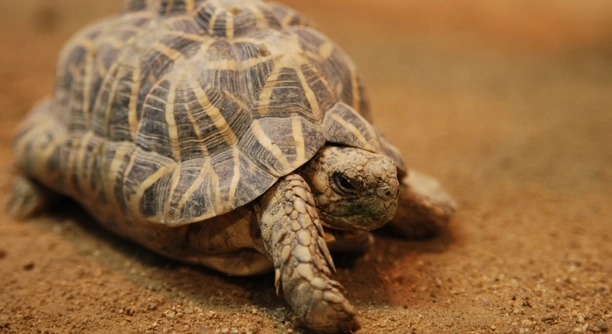
Creating a comfortable home for your Indian Star Tortoise is important for its health and happiness. By making a few simple adjustments to its tank, you can help your tortoise thrive in its environment.
To improve the comfort of your Indian Star Tortoise tank, focus on creating a warm, spacious habitat with proper humidity and UVB lighting. Ensure the substrate is suitable, and include enrichment items for your tortoise to explore and hide in.
With just a few changes, your tortoise will have a much more enjoyable and healthy environment. Keep reading for ideas on how to make the best habitat for your pet.
Provide Proper Lighting
Proper lighting is one of the most important aspects of making your Indian Star Tortoise tank more comfortable. Your tortoise needs UVB light to help it absorb calcium and maintain healthy bone growth. Without it, your tortoise can develop metabolic bone disease and other health issues. Set up a UVB light above the tank, ensuring it is within the correct distance for optimal exposure. The light should be on for 10 to 12 hours daily to mimic natural sunlight.
The right temperature is just as important as lighting. Keep one area of the tank warmer than the other, allowing your tortoise to regulate its body temperature by moving between the two areas. The warm side should be between 90-95°F (32-35°C), and the cool side should be around 75-80°F (24-27°C). If the temperature drops too low, your tortoise may become sluggish or even sick.
To ensure your tortoise is getting enough light, replace the UVB bulb every six months, as it loses its effectiveness over time. Combine this with a heat lamp to give your pet the warmth and light it needs to thrive. A timer for your lights can also help maintain a regular schedule.
Choose the Right Substrate
Choosing the right substrate for your tortoise tank is key to comfort and health. Sand, coconut coir, or a mix of both can work well, but avoid using substrates that are too fine or dusty. These can be ingested and cause digestive problems. Keep the substrate deep enough to let your tortoise dig, as this behavior is natural and important for its well-being.
Make sure to clean the substrate regularly to prevent bacteria buildup. Spot cleaning daily is recommended, while a complete substrate change should be done every few weeks. Proper cleanliness will keep your tortoise’s tank smelling fresh and provide a healthy environment.
The texture and depth of the substrate should mimic the natural environment of the tortoise. A mix of coconut coir and sand works well to give your tortoise a comfortable place to burrow.
Add Hiding Spots
Your tortoise needs hiding spots to feel secure. Adding objects like rocks, logs, or specially designed hides can provide a safe space for it to retreat when feeling stressed. This helps reduce anxiety and allows your tortoise to exhibit natural behaviors. A corner with some plants or driftwood is ideal.
Make sure the hiding spots are big enough for your tortoise to move freely and feel fully enclosed. This gives your pet the sense of safety it craves. A hide should not be too small, as it may cause discomfort and lead to stress. Make sure it’s easy for the tortoise to access but not too open.
If you don’t have enough hiding spots, your tortoise might feel exposed and stressed, affecting its overall health. Keep the tank setup natural by placing hides in different areas. This provides a variety of spaces to explore, helping to prevent boredom and improve overall well-being.
Ensure Proper Humidity
Humidity is an important factor in making your tortoise’s environment comfortable. Too much or too little humidity can affect its health. Aim for a humidity level between 50% and 70%. You can achieve this by misting the tank lightly or using a humidity gauge to monitor the levels regularly.
If the humidity is too low, your tortoise could suffer from dehydration and respiratory issues. On the other hand, too much moisture can lead to mold growth, which is harmful to your tortoise. Keeping the tank well-ventilated helps maintain proper humidity while preventing excessive dampness.
A humid hide can also be added to provide a higher humidity area. This is particularly useful during shedding periods. Be mindful of how moisture levels fluctuate throughout the day, and adjust as needed. Consistent humidity levels help keep your tortoise healthy and comfortable.
Create a Spacious Tank
Your tortoise needs plenty of space to move around. A cramped tank can lead to stress and health problems. Aim for a tank that’s at least 40 gallons for one tortoise. This allows your pet room to explore and get exercise. More space can provide a better overall environment.
If you plan to house more than one tortoise, make sure each has enough room. Overcrowding can result in aggression and competition for food or hiding spots. A larger tank helps prevent territorial issues and gives your tortoises a sense of security. Keep the space clean to ensure comfort.
A larger tank also makes it easier to maintain proper temperature and humidity. With more room, there’s less chance of one area becoming too hot or dry. This flexibility leads to a healthier habitat overall, where your tortoise can thrive and exhibit natural behaviors.
Choose Appropriate Decorations
Decorations not only make your tortoise’s tank visually appealing but can also enhance its comfort. Use natural elements like rocks, plants, and logs to provide climbing surfaces and hideaways. Just be sure they are safe and free of sharp edges.
Avoid using plastic decorations that could harm your tortoise. Instead, choose items made of natural materials. They add to the tank’s aesthetic while offering your tortoise places to explore. Regularly check that everything is secure and safe for your pet.
Provide Fresh Food and Water
It’s crucial to offer fresh food and water daily. Your tortoise needs access to a water dish that’s large enough for drinking and soaking. Water is especially important for digestion and hydration. Keep the water clean to avoid bacterial growth.
FAQ
How often should I clean my Indian Star Tortoise’s tank?
You should clean your tortoise’s tank regularly to keep it healthy. Spot cleaning should be done daily, removing any leftover food or waste. A full tank cleaning should be done once every two to three weeks, depending on the size of the tank. When cleaning, replace the substrate and clean all decorations and surfaces with a reptile-safe cleaner. If your tortoise is housed in a smaller enclosure, you may need to clean it more often to prevent odors and bacteria buildup. Consistent cleaning helps avoid health issues and keeps the environment comfortable.
What temperature should I keep my tortoise tank at?
Your tortoise’s tank should have a temperature gradient, with a warm side between 90-95°F (32-35°C) and a cooler side around 75-80°F (24-27°C). The warmer side helps with digestion and allows your tortoise to bask. On the cooler side, your tortoise can retreat to regulate its body temperature when needed. Use a reliable thermometer to monitor the temperature, and adjust the heat source if necessary. A heat lamp or ceramic heater can be used to maintain the warmth on one side of the tank. Always avoid sudden temperature fluctuations, as they can stress your tortoise.
Can I use regular sand as substrate for my tortoise?
Regular sand can be used as substrate, but it should not be the only material in the tank. If you do choose sand, mix it with other materials, such as coconut coir, to reduce the risk of ingestion. Sand that is too fine or dusty can lead to digestive problems if swallowed, so it’s best to avoid overly fine sand. Some tortoise owners prefer using a mix of sand and coir to provide both texture and better moisture retention. Make sure the substrate is deep enough for your tortoise to burrow, which is a natural behavior.
Do Indian Star Tortoises need a humidity source?
Yes, humidity is important for your tortoise’s health. Indian Star Tortoises do well with a humidity level between 50% and 70%. You can maintain the proper humidity by misting the tank daily or using a humidity gauge to monitor it. If the humidity drops too low, your tortoise may become dehydrated, affecting its skin and respiratory system. A small humid hide can be placed in the tank for added moisture, especially during shedding. On the other hand, too much humidity can create conditions for mold to grow, so ventilation is key to balancing the moisture.
How much space does my tortoise need in its tank?
The tank should be spacious enough to allow your tortoise to roam, explore, and hide. A minimum of 40 gallons is recommended for one tortoise. If you have more than one, you’ll need a much larger space to prevent overcrowding. Overcrowding can cause stress, fights, and other health issues. The more space you provide, the better your tortoise can exhibit natural behaviors like foraging and moving around freely. A larger tank also makes it easier to maintain the proper temperature and humidity levels, creating a more comfortable and natural environment.
Can I keep multiple tortoises in the same tank?
While it is possible to house multiple tortoises in the same tank, it’s important to make sure the tank is large enough to accommodate them. You should also be mindful of the personalities of the tortoises. Some tortoises may be more territorial or aggressive than others. If you’re housing more than one tortoise, make sure each one has access to its own hiding spots, food, and basking areas. If there’s any sign of aggression, it may be necessary to separate them into individual tanks to avoid stress or injury.
What kind of food should I give my Indian Star Tortoise?
Indian Star Tortoises are primarily herbivores, so their diet should consist mostly of leafy greens, grasses, and some fruits. Offer a variety of vegetables like collard greens, dandelion greens, and mustard greens. You can also provide edible flowers like hibiscus. Avoid feeding them too much fruit, as it can cause digestive problems. Make sure the food is pesticide-free, and avoid feeding them iceberg lettuce, which offers little nutritional value. Additionally, you should provide calcium-rich foods, such as clover, and occasionally dust their food with calcium powder. Fresh water should always be available.
How do I make sure my tortoise gets enough UVB light?
UVB lighting is essential for your tortoise to metabolize calcium and maintain healthy bone growth. Use a UVB bulb specifically designed for reptiles, and make sure it is placed close enough to the basking area (around 6-12 inches). These bulbs should be replaced every six months, even if they still seem to work, as they lose effectiveness over time. Ensure your tortoise gets 10-12 hours of UVB light each day to simulate natural sunlight. Providing proper UVB lighting reduces the risk of metabolic bone disease and ensures your tortoise stays healthy.
How often should I feed my Indian Star Tortoise?
Young tortoises need to be fed daily, while adult tortoises can be fed every other day. Make sure to provide fresh food at each feeding and remove any uneaten food after a few hours to prevent spoilage. Overfeeding can lead to obesity, so make sure the portions are appropriate for your tortoise’s size. Adult tortoises generally consume about 10-15% of their body weight in food daily. The exact amount varies depending on the tortoise’s age, size, and activity level. A balanced, varied diet will help keep your tortoise healthy and active.
Can I use a heat mat instead of a heat lamp?
While heat mats can provide a warm spot on the tank floor, they don’t offer the same type of warmth as a heat lamp. Heat lamps create a basking area where your tortoise can sit directly under the light to absorb warmth. A heat mat may not be effective at heating the air above it, which is necessary for your tortoise to regulate its body temperature properly. It is best to use both a heat mat for a warm substrate and a heat lamp for basking.
Creating a comfortable environment for your Indian Star Tortoise is key to its health and well-being. By focusing on the basics, such as proper lighting, temperature, and humidity, you can help ensure your tortoise thrives in its home. The right setup provides a stress-free environment where your tortoise can explore, bask, and engage in natural behaviors. Even small changes, like adding hiding spots or enriching the tank with natural elements, can make a big difference.
The key to a happy tortoise is consistency. Keeping the tank clean, providing fresh food and water daily, and regularly checking temperature and humidity levels will help your tortoise stay healthy and active. It’s also important to offer a varied diet that closely mirrors what your tortoise would eat in the wild. Avoid overfeeding, and make sure that your pet has access to enough space to move around. Regularly monitor its condition and behavior for any signs of stress or illness.
Remember that your tortoise’s comfort is about more than just the tank setup; it’s about understanding its needs and providing a safe, stable home. While it may take time to fine-tune the perfect habitat, the effort will pay off in the form of a happier, healthier tortoise. With careful attention to the details, your Indian Star Tortoise will feel at ease in its environment and enjoy a long, healthy life.

Hello,
If you enjoy the content that we create, please consider saying a "Thank You!" by leaving a tip.
Every little bit helps us continue crafting quality advice that supports the health, happiness, and well-being of pets around the world, for pets of all shapes, sizes, and species.
We really appreciate the kindness and support that you show us!