
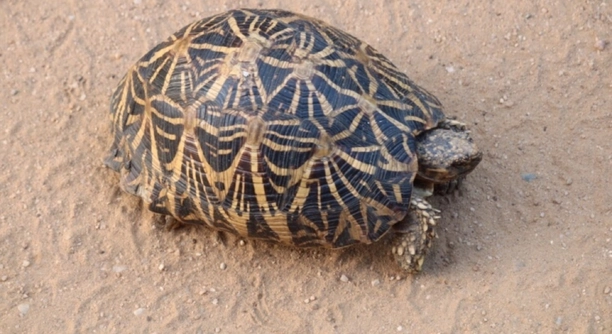
Indian Star Tortoises are amazing reptiles, but they can face a serious health issue when their eggs become stuck inside. Egg binding is a condition that can lead to severe complications, making it crucial to understand how to prevent it.
To prevent egg binding in Indian Star Tortoises, ensure they have a proper diet, sufficient space, and a suitable environment for nesting. Regularly monitor their health and behavior, and consult a veterinarian if any signs of egg binding appear.
Taking preventive steps will not only help avoid egg binding but also ensure your tortoise stays healthy and happy. Let’s go over the important practices to support your tortoise’s well-being.
Why Egg Binding Happens in Indian Star Tortoises
Egg binding occurs when a female tortoise is unable to lay her eggs, leading to a painful and potentially life-threatening situation. There are a few common reasons behind this issue, such as poor diet, inadequate living space, and a lack of proper nesting conditions. Indian Star Tortoises, like other reptiles, need the right environment to lay eggs successfully. Without enough space or access to a suitable nesting site, eggs can become trapped inside their bodies. Additionally, calcium deficiencies, dehydration, or stress can contribute to egg binding. Tortoises may also have trouble laying eggs if they’re overweight or not physically fit.
The lack of proper care and monitoring can make egg binding even worse. Inadequate lighting or temperature in the habitat can stress the tortoise, making it difficult for her to release the eggs. It’s important to set up an environment where she feels safe and comfortable.
Regularly checking on her health and behavior will help you spot early signs of egg binding. If left untreated, the condition can cause serious damage, requiring urgent medical attention.
How to Create the Perfect Nesting Environment
Creating a suitable nesting environment is crucial to preventing egg binding in Indian Star Tortoises. Make sure your tortoise has access to a clean, quiet, and secluded area where she can feel safe.
A proper nesting area should have soft, moist soil to help stimulate egg laying. Adding some hides or shelters to the space will provide the tortoise with a sense of privacy. Also, the temperature should be warm, but not excessively hot. A temperature range of 85°F to 90°F is ideal for egg laying.
Consider placing a shallow container of water nearby to keep her hydrated, as dehydration can increase the risk of egg binding. Ensure that the habitat allows the tortoise to dig if she chooses, as digging helps stimulate egg-laying behavior.
Diet and Hydration: Essential for Healthy Egg Laying
Proper diet and hydration are key to ensuring the tortoise’s body functions optimally during the egg-laying process. Indian Star Tortoises need a balanced diet rich in calcium to support the healthy formation of eggs. Without enough calcium, the eggs may not form correctly, and the tortoise’s body might struggle to pass them. Leafy greens, like dandelion greens, and other calcium-rich foods should be a regular part of their diet. Additionally, make sure she has access to fresh water at all times to stay hydrated, as dehydration can also affect her egg-laying process.
If you’re unsure about the exact amounts of calcium your tortoise needs, consult a vet. Too little or too much calcium can cause problems. It’s also a good idea to dust her food with a calcium supplement a few times a week to help her maintain proper levels.
These steps can go a long way in preventing egg binding and keeping your tortoise healthy. Monitoring her diet closely and making sure she stays hydrated will reduce the risks of complications related to egg-laying.
Monitoring and Observation
Paying close attention to your tortoise’s behavior and physical condition is essential for early detection of potential egg binding. Look for signs like restlessness, straining, or a lack of appetite, which can indicate that something is wrong.
Monitoring your tortoise regularly helps ensure that she is healthy and thriving in her environment. If she shows signs of distress, it’s important to check if she’s struggling to lay eggs. By observing her habits and body condition, you’ll be able to act quickly if something goes wrong, reducing the risk of serious health issues.
Proper Lighting and Temperature
Adequate lighting and temperature are crucial for your tortoise’s egg-laying process. Without the right balance, your tortoise may experience stress or fail to lay her eggs.
Use UVB lighting to mimic natural sunlight, which helps your tortoise absorb calcium and stay healthy. Ensure the basking area is around 90°F, with cooler spots at around 75°F. These temperature variations help create a comfortable environment for egg-laying. Without proper heat, the tortoise’s reproductive system might not function well, which could lead to egg binding. Keeping the habitat at the right temperature also encourages natural behaviors.
Don’t forget to check humidity levels as well. Tortoises need some humidity to help soften the ground and make egg-laying easier. A combination of proper lighting, temperature, and humidity creates an environment that reduces stress and encourages healthy egg-laying behavior.
Encourage Physical Activity
Encouraging physical activity helps keep your tortoise fit and healthy. Regular movement aids in digestion and promotes overall well-being, including the ability to lay eggs without difficulty.
Provide enough space in the enclosure for your tortoise to move around freely. This exercise is vital for keeping her muscles strong and preventing any health issues, such as egg binding. If she can roam and dig, she is more likely to lay her eggs without problems. Lack of movement can lead to physical stress, which may impact her ability to lay eggs.
Ensure your tortoise has a clean and spacious environment to explore. Regular exercise and stimulation through interaction and exploration can prevent many health concerns related to egg-laying.
Regular Veterinary Checkups
Regular vet visits help detect any underlying health issues that could lead to egg binding. Your veterinarian can monitor your tortoise’s overall health, including calcium levels and egg development.
Having a vet regularly check on your tortoise can also ensure that she is physically fit for egg-laying. They can recommend treatments or adjustments to her environment if needed. It’s a proactive way to keep her in the best possible condition for preventing egg-binding issues.
Minimize Stress
Stress is a major factor in egg binding. Stress can be caused by sudden changes in the environment, loud noises, or poor living conditions.
Make sure your tortoise feels safe and secure in her habitat. Avoid moving her enclosure around too much or introducing loud sounds into her space. A stable, quiet environment supports her ability to lay eggs naturally. Stress interferes with her reproductive health, making egg binding more likely.
FAQ
What are the signs of egg binding in Indian Star Tortoises?
Common signs of egg binding include lack of appetite, lethargy, and difficulty moving. Your tortoise may appear restless or frequently attempt to dig. If she is straining or trying to lay eggs but unable to, it’s a clear indicator. You may also notice swelling around her abdomen. If these symptoms appear, immediate action is needed to prevent further complications. A vet will be able to assess her condition and provide the necessary treatment.
How can I tell if my tortoise is trying to lay eggs?
When a female tortoise is ready to lay eggs, she will often show behaviors such as increased digging or seeking out dark, quiet areas. She may also become more restless and attempt to bury herself in the substrate. These signs indicate that she is preparing to lay her eggs. Providing a proper nesting area can help encourage her to lay them in a safe and comfortable spot.
What should I do if my tortoise is egg-bound?
If your tortoise is egg-bound, it’s crucial to act fast. The first step is to ensure she is hydrated by providing fresh water and checking the humidity in her habitat. A warm bath can sometimes help encourage her to pass the eggs. However, it’s always best to consult a vet if you notice signs of egg binding. In some cases, medical intervention may be necessary, such as hormone therapy or surgery.
Can egg binding be prevented?
Yes, egg binding can often be prevented with proper care. A well-balanced diet rich in calcium, providing a safe and comfortable nesting space, maintaining appropriate lighting and temperature, and reducing stress are key steps in preventing egg binding. Regular veterinary checkups will also help ensure your tortoise’s reproductive health is properly managed. Staying proactive and observant of her behavior will help reduce the risks of egg binding.
Is it common for Indian Star Tortoises to get egg-bound?
Egg binding is a relatively common issue in female tortoises, especially if their environmental or dietary needs are not met. While not all female tortoises will experience egg binding, it is more likely in tortoises kept in captivity, where environmental factors like temperature, space, and diet may not always be ideal. With proper care, however, the risk of egg binding can be minimized.
How can I improve my tortoise’s diet to prevent egg binding?
To prevent egg binding, provide a diet rich in calcium, vitamins, and minerals. Offering leafy greens, such as collard greens, kale, and dandelion greens, is beneficial. You can also add calcium supplements to her food a few times a week, especially if she’s getting ready to lay eggs. In addition to calcium, make sure her diet includes high-fiber vegetables and occasional fruits. Proper hydration is also essential for her overall health and egg-laying process.
How long does it take for a tortoise to lay eggs?
The process of laying eggs can vary. After a tortoise starts showing signs that she is ready to lay eggs, it may take a few days for her to find a suitable place to lay them. Once she has found a spot and begins laying, it typically takes several hours to lay all the eggs. If the eggs are not laid within this period or she struggles to lay them, it may indicate egg binding, which requires attention from a vet.
Can my tortoise lay eggs without mating?
Yes, female tortoises can lay eggs without mating. This is known as parthenogenesis, where eggs are produced without fertilization. In some species, including the Indian Star Tortoise, this is possible. However, even unfertilized eggs need to be laid properly. If the eggs are not laid, they could become trapped, leading to egg binding.
What should I do if my tortoise doesn’t want to eat?
If your tortoise refuses to eat, it could be a sign of stress, illness, or egg binding. First, ensure her environment is comfortable and she is not stressed. If the refusal to eat continues for more than a couple of days, it’s time to consult a veterinarian. Lack of appetite can sometimes be the first sign that your tortoise is having trouble laying eggs.
How often should I monitor my tortoise for egg binding?
You should monitor your tortoise closely, especially if she is mature and capable of laying eggs. Regular checks for signs of stress, lethargy, or trouble moving will help catch egg binding early. It’s also wise to check her body condition and behavior regularly. If she’s of egg-laying age, pay extra attention during the breeding season.
What’s the best way to create a nesting site for my tortoise?
To create a proper nesting site, provide your tortoise with a secluded, quiet area filled with soft, moist soil. The depth should be enough for her to dig and feel comfortable. Some tortoises prefer to dig deep, so allow at least 4-6 inches of soil. Make sure the nesting site is not too exposed to the rest of the habitat. Adding hides or structures for privacy can help her feel secure when laying eggs.
Can dehydration lead to egg binding in tortoises?
Yes, dehydration can contribute to egg binding. If a tortoise is not drinking enough water, it can affect her ability to lay eggs. Dehydration can cause the eggs to become harder to pass. Make sure fresh water is always available and that the humidity levels are optimal in her habitat. A warm bath can also encourage hydration and help with egg-laying.
How can I ensure my tortoise stays healthy during egg-laying?
To keep your tortoise healthy during egg-laying, focus on maintaining a balanced diet, proper hydration, and a stress-free environment. Make sure she has a suitable nesting area and is physically fit. Regular veterinary visits can also help prevent potential issues and ensure that her reproductive health is in good condition.
Proper care for your Indian Star Tortoise is essential to prevent egg binding, a condition that can cause significant harm to her health. By providing the right environment, such as a clean, quiet nesting area and a balanced diet rich in calcium, you can reduce the risks of egg binding. A well-lit habitat with appropriate temperatures and humidity will also play a major role in ensuring she remains healthy and can lay her eggs naturally. Paying attention to these factors will help your tortoise thrive and prevent unnecessary complications.
Monitoring your tortoise’s behavior and physical condition is just as important. If you notice any signs of discomfort or difficulty laying eggs, it’s crucial to act quickly. Regularly check for signs of stress, lethargy, or changes in appetite, as these may indicate egg binding. If any symptoms appear, consulting a veterinarian as soon as possible is always the best course of action. Early detection and intervention can make all the difference in keeping your tortoise healthy and preventing more severe issues down the road.
Ultimately, taking the right preventive measures will not only help keep your tortoise safe from egg binding but also promote her overall well-being. By creating a safe, comfortable environment, offering the proper nutrition, and minimizing stress, you give your tortoise the best chance for a long, healthy life. Regular veterinary checkups and being aware of potential issues will allow you to respond quickly to any concerns. Keeping these guidelines in mind ensures your tortoise will have the best quality of life possible.

Hello,
If you enjoy the content that we create, please consider saying a "Thank You!" by leaving a tip.
Every little bit helps us continue crafting quality advice that supports the health, happiness, and well-being of pets around the world, for pets of all shapes, sizes, and species.
We really appreciate the kindness and support that you show us!