
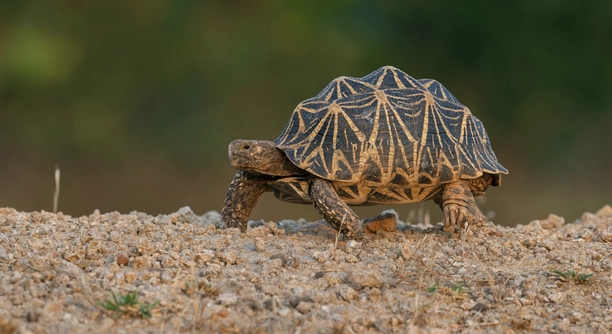
Designing a proper tank for your Indian Star Tortoise requires attention to several key factors. These elements ensure the health and well-being of your pet, providing a safe and comfortable environment.
The most important considerations for an Indian Star Tortoise tank design include proper size, heating, humidity, lighting, substrate, enrichment, and safety. Each of these elements plays a critical role in creating a habitat that supports your tortoise’s natural behaviors and overall health.
By understanding these elements, you can create a suitable environment that promotes the well-being of your tortoise. Continue reading to learn how to set up a tank that meets all the necessary requirements for your pet’s needs.
Size of the Tank
The size of your Indian Star Tortoise’s tank is one of the most important factors to consider. A small tank can cause stress and restrict movement, leading to health issues. Ideally, the tank should be at least 4 feet long for one tortoise, with a width that allows for comfortable turning. A larger tank can accommodate more enrichment options and offer your pet more space to explore, which is essential for its mental and physical well-being.
When choosing a tank, keep in mind that a larger enclosure will make it easier to maintain a proper temperature gradient and provide different zones for your tortoise to enjoy. Be sure to leave enough space for all other necessary elements like heat lamps, water bowls, and hiding spots.
It’s crucial to invest in a tank large enough to support your tortoise as it grows. A cramped living space can lead to stress, which may cause your tortoise to become lethargic or develop behavioral problems. Creating a spacious habitat will help it thrive in its new home.
Heating and Lighting
Proper heating and lighting are essential to mimic natural conditions.
Your tortoise needs both UVB lighting and heat lamps to stay healthy. UVB helps your tortoise absorb calcium, and heat lamps maintain an appropriate temperature range in the tank. Without these, your tortoise may develop serious health issues. The tank should have a temperature gradient, with a basking area kept between 95°F and 100°F and cooler areas ranging from 75°F to 85°F. Additionally, a source of UVB light, such as a fluorescent bulb, should be used for about 10-12 hours daily to simulate daylight.
Without proper heat and UVB light, your tortoise will struggle to digest food properly and could develop shell deformities or metabolic bone disease. Ensure that the heat lamp is placed at one end of the tank to create that essential temperature gradient. Make sure the UVB light is positioned correctly and replaced regularly as its effectiveness diminishes over time.
Humidity Levels
Maintaining the right humidity in your Indian Star Tortoise tank is crucial for its health.
The ideal humidity level for an Indian Star Tortoise should be between 50% and 70%. Too high or low humidity can cause respiratory problems or dehydration. You can regulate humidity with a misting system, a shallow water dish, or by using a humidity gauge.
To maintain proper humidity, avoid direct drafts or ventilation that may dry out the air. You can increase humidity by placing a shallow water dish inside the tank and using a humidifier if needed. Make sure the substrate is kept slightly moist, but not soaking wet. Too much moisture can lead to mold or other health concerns.
Substrate Choice
Choosing the right substrate for your tortoise tank is an important aspect of its environment.
Natural materials like coconut coir, soil, and dried leaves are great options for Indian Star Tortoises. These substrates mimic the tortoise’s natural environment and provide a good base for burrowing, which can help your pet feel secure. Avoid using materials like sand, as it can be difficult to manage and may cause digestion problems if ingested.
A suitable substrate also helps maintain humidity levels and makes it easier to clean the tank. Regularly check the substrate for waste and mold. Changing it periodically will keep the habitat fresh and safe for your tortoise.
Enrichment and Hiding Spots
Enrichment is essential for keeping your Indian Star Tortoise active and mentally stimulated.
Provide items like rocks, logs, and plants for climbing and exploring. These will encourage natural behaviors like foraging, stretching, and hiding. Hiding spots give your tortoise a place to retreat when it feels stressed or needs rest.
These hiding spots can be simple, such as a small box or a half-buried log. Make sure they are placed in a shaded area of the tank. By offering variety, your tortoise can move around and exercise its natural instincts, which improves its overall well-being.
Water and Food Dishes
Your tortoise needs both fresh water and food dishes that are easy to access.
Place a shallow water dish where it can easily drink and soak. Water dishes should be large enough for your tortoise to submerge itself slightly, aiding digestion and hydration. Ensure the water is always clean and fresh to avoid contamination.
Food dishes should be low enough to the ground to prevent your tortoise from tipping them over. Make sure they’re easy to clean, as leftover food can attract bacteria. Offer a balanced diet that includes greens, vegetables, and some fruits, but avoid sugary foods to maintain a healthy diet.
FAQ
How often should I clean my tortoise’s tank?
Cleaning your tortoise’s tank regularly is key to maintaining a healthy environment. You should clean the water dish daily, remove waste, and spot clean the substrate as needed. Once a week, do a more thorough cleaning by replacing the substrate and disinfecting the tank and decorations. Make sure the heat and UVB bulbs are cleaned regularly too. This helps maintain a hygienic space and prevents the buildup of harmful bacteria. If the tank begins to smell or shows signs of mold, clean it immediately.
What is the best temperature for an Indian Star Tortoise tank?
Your tortoise needs a temperature gradient in the tank to regulate its body heat. The basking area should be around 95°F to 100°F, while the cooler end should range from 75°F to 85°F. This temperature range allows your tortoise to move to different areas of the tank depending on its needs. Nighttime temperatures should drop to around 70°F to 75°F. Ensure that both the heat lamp and UVB light are positioned correctly to create these temperature zones. Use a thermometer to monitor the temperatures throughout the tank to avoid any issues.
Can I use sand as a substrate?
Sand is not recommended for your Indian Star Tortoise tank. It can be difficult to manage, and if ingested, it may lead to digestive issues. Sand also doesn’t provide the right conditions for burrowing or humidity control. It’s best to stick to substrates like coconut coir, soil, or a mix of both. These options provide a more natural environment and help keep humidity levels stable. Additionally, they are easier to clean and can be safely ingested in small amounts without causing harm.
How can I provide proper lighting for my tortoise?
Indian Star Tortoises require UVB lighting to help with calcium absorption and overall health. A UVB light should be on for about 10-12 hours a day to mimic the natural daylight cycle. Place the light about 12-18 inches above the basking area for optimal exposure. Additionally, provide a heat source like a basking lamp to maintain the appropriate temperature gradient. UVB bulbs should be replaced every 6-12 months, as their effectiveness decreases over time. Without proper lighting, your tortoise can suffer from serious health issues, such as metabolic bone disease.
Is it okay to house multiple tortoises together?
Housing multiple Indian Star Tortoises together is not always ideal. These tortoises can be territorial, especially in a smaller space. Aggression may occur, leading to stress, injury, or even death. If you do decide to house more than one tortoise, make sure the enclosure is large enough to accommodate each tortoise’s needs and create enough space to reduce competition. Always monitor their behavior closely to ensure they are not fighting. If you notice any signs of aggression, separate them immediately to prevent harm.
What should I feed my Indian Star Tortoise?
Your tortoise’s diet should consist mainly of leafy greens, vegetables, and some fruits. Offer a variety of foods such as dandelion greens, kale, and collard greens. Avoid feeding them high-oxalate or high-phosphorus greens like spinach or beet greens, as these can interfere with calcium absorption. Fruits, like apples or berries, can be offered occasionally as a treat. Never feed your tortoise processed or sugary foods, as they can cause health issues. Providing a balanced diet is essential for maintaining proper growth and shell development.
How can I tell if my tortoise is healthy?
A healthy Indian Star Tortoise should have a smooth, shiny shell and active, alert behavior. Its eyes should be clear and not watery or swollen, and its nostrils should be free of discharge. You should also observe its appetite; a healthy tortoise will actively eat and drink. Watch for any signs of lethargy, difficulty moving, or changes in its eating habits, as these may indicate illness. Additionally, check its weight regularly. A significant drop in weight can be a sign of health problems. If you notice any unusual symptoms, consult a vet experienced in reptile care.
How long can an Indian Star Tortoise live in captivity?
Indian Star Tortoises can live for many years, often between 40 and 50 years, and sometimes even longer with proper care. Providing a suitable environment, including the right diet, heating, and humidity, will help your tortoise live a long, healthy life. Be prepared for a long-term commitment when caring for one of these reptiles. Regular veterinary check-ups are also essential to monitor health and prevent any potential issues as your tortoise ages.
Can I use a glass tank for my tortoise?
Glass tanks are acceptable, but they may not be the best option for an Indian Star Tortoise. While they provide a clear view of your pet, they don’t offer proper ventilation, which can lead to a buildup of humidity and temperature issues. Consider using a plastic or wooden enclosure with mesh tops to provide better airflow. If you do use a glass tank, ensure that it’s large enough for your tortoise and has a proper setup for heating, lighting, and humidity control.
What is the best way to handle my tortoise?
Handling your Indian Star Tortoise should be done with care and only when necessary. These tortoises can be shy and stressed by excessive handling. When you do pick them up, always support their body fully to avoid injury, especially their legs and shell. Hold them gently but securely to avoid dropping them. Limit handling to short periods and avoid forcing them into situations where they may feel threatened. Providing a calm, stable environment will help reduce stress for your tortoise.
Do Indian Star Tortoises need a specific humidity range?
Yes, Indian Star Tortoises need a specific humidity range to remain healthy. Aim for a humidity level between 50% and 70%. Too much humidity can lead to respiratory issues or skin infections, while too little can cause dehydration and shedding problems. You can regulate humidity by misting the tank or placing a shallow water dish in the enclosure. Make sure the substrate is slightly moist, but not soaking wet, to maintain the proper levels. Always monitor the humidity regularly to ensure it remains consistent.
Final Thoughts
Creating the right environment for your Indian Star Tortoise is essential to its well-being. It’s not just about providing food and water, but also about considering the size of the tank, lighting, temperature, humidity, and enrichment. By focusing on these areas, you can ensure that your tortoise has the best possible chance to live a long, healthy life. These factors work together to create a habitat that mimics the tortoise’s natural environment, helping it feel safe and comfortable.
While setting up the tank may require an initial investment of time, effort, and money, it’s worth it in the long run. A well-maintained tank will help avoid health problems and make caring for your tortoise easier. The right lighting and heating keep your tortoise active and healthy, while proper humidity prevents issues with shedding and dehydration. Substrate choices like coconut coir or soil promote burrowing and keep the environment natural and clean. Enrichment options, such as hiding spots and climbing materials, will encourage natural behaviors and make the tank more engaging for your tortoise.
Finally, remember that Indian Star Tortoises can live for many decades, so the setup you create now should support them through their entire lifespan. With consistent care and regular maintenance, you can enjoy the company of your tortoise for many years. Ensuring the tank is the right size and includes all the necessary elements can make a huge difference in your tortoise’s quality of life. Investing in your tortoise’s habitat is a long-term commitment that will be rewarded with a happy, healthy pet.

Hello,
If you enjoy the content that we create, please consider saying a "Thank You!" by leaving a tip.
Every little bit helps us continue crafting quality advice that supports the health, happiness, and well-being of pets around the world, for pets of all shapes, sizes, and species.
We really appreciate the kindness and support that you show us!