
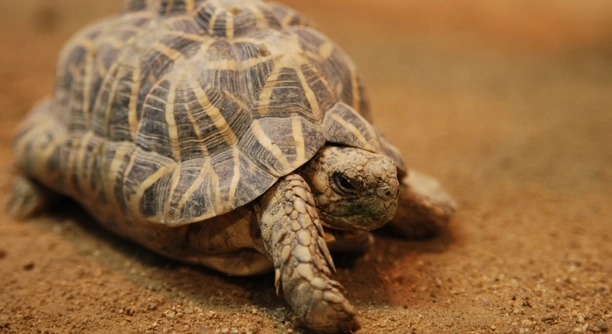
Indian Star Tortoises are beautiful creatures but can be prone to various diseases. Protecting them from common health issues ensures they live a long, healthy life. Understanding these risks and their prevention is essential for every tortoise owner.
To avoid common tortoise diseases in Indian Star Tortoises, maintain proper diet, habitat conditions, and regular health check-ups. Ensure the enclosure is clean, the temperature is correct, and the tortoise gets enough UVB light for calcium absorption.
Following these tips will help you keep your Indian Star Tortoise healthy and thriving. Proper care is the key to preventing illness and ensuring your pet’s well-being.
Importance of a Balanced Diet for Indian Star Tortoises
A proper diet is essential to avoid health problems in Indian Star Tortoises. Their diet should include a variety of leafy greens, grasses, and occasional fruits. Calcium is particularly important for their bone health, so ensure they receive it through their food or supplements. Avoid feeding them high-protein foods as it can cause kidney issues. An unbalanced diet can lead to metabolic bone disease, which is a common issue in tortoises. Regularly offering fresh food and keeping their water clean is also crucial for hydration.
Feeding your tortoise a variety of healthy foods will support its immune system. Incorporating a calcium supplement will aid in maintaining strong bones.
By monitoring their diet closely, you ensure that your tortoise gets the right nutrients. This will help avoid illnesses caused by malnutrition and make sure your tortoise grows healthy and strong.
Creating the Right Habitat
The environment in which your tortoise lives plays a big role in its health.
Temperature and humidity need to be carefully regulated to mimic their natural habitat. A basking spot around 95°F and a cooler area between 75-85°F will help your tortoise feel comfortable. Humidity should be kept at 50-60% to keep their skin healthy and prevent dehydration.
The enclosure should be large enough for them to move freely, with hiding spots for privacy. Substrates like coconut fiber or cypress mulch will keep moisture levels steady and give your tortoise a safe space to burrow. A proper environment reduces stress, prevents respiratory infections, and supports a healthy shell.
UVB Lighting and Its Role in Health
UVB lighting is a must for your tortoise’s health. Without it, they can suffer from vitamin D3 deficiency, leading to weak bones and metabolic issues. Tortoises need UVB light to absorb calcium, which is critical for their growth and shell health. Ensure the light is replaced every six months to maintain its effectiveness.
The UVB light should be placed within 12-18 inches of your tortoise’s basking area. It is vital that the tortoise has direct access to the light for several hours each day. Using a timer can help you maintain a consistent light cycle, which is essential for their health. UVB lighting is also a good way to simulate day and night cycles.
If you can’t provide natural sunlight, a proper UVB bulb is necessary. Tortoises that don’t get enough UVB exposure may develop shell deformities and other serious health problems.
Regular Vet Check-ups
Regular veterinary check-ups are essential to monitor your tortoise’s health. Even if they seem fine, a professional can detect issues early on that you might not notice. Regular check-ups help maintain their overall health and ensure they are disease-free.
A vet visit is also a chance to discuss your tortoise’s diet and habitat conditions. Sometimes, there may be hidden health issues that only a professional can detect. A vet can give you advice on proper care and help you create a suitable health plan for your tortoise. Regular check-ups also help prevent problems before they become severe.
Clean Enclosure Practices
Keeping your tortoise’s enclosure clean is essential to prevent infections. Regularly remove waste and uneaten food. Clean the water bowl daily to avoid bacterial growth. Once a week, disinfect the entire enclosure, ensuring that no harmful bacteria or mold accumulates. A clean space keeps your tortoise healthy.
You should also change the bedding often to maintain a hygienic environment. Using absorbent bedding like coconut coir helps prevent excessive moisture buildup, which could lead to skin problems. Check for any signs of mold or fungi, which can harm your tortoise.
Proper Hydration
Tortoises need access to fresh water at all times. Ensure their water dish is large enough for them to drink and soak in. Dehydration can lead to kidney problems and other serious issues.
In addition to water, tortoises absorb moisture from their environment. Maintaining proper humidity levels will prevent dehydration and skin shedding problems. Regularly check the humidity in their habitat, adjusting it when necessary to maintain a comfortable balance. This simple step can significantly improve your tortoise’s health and comfort.
Safe Handling
When handling your tortoise, always be gentle and cautious. Avoid lifting them by their shell, as it can cause stress or injury. Instead, support their body evenly, holding them from underneath. Keep handling to a minimum to avoid unnecessary stress.
Frequent handling can also disrupt their natural behaviors, so it’s best to limit interactions to short periods. Make sure your hands are clean before handling them to prevent transferring any harmful chemicals or bacteria. This ensures that your tortoise remains comfortable and healthy.
FAQ
What are the signs of illness in Indian Star Tortoises?
Common signs of illness include lethargy, loss of appetite, swollen eyes, abnormal shell growth, or discharge from the nose. If you notice these symptoms, it’s essential to consult a vet immediately. Delaying treatment could lead to serious complications. Also, if your tortoise refuses to eat or drink for an extended period, it’s a sign that something is wrong. Keep an eye on their behavior and shell appearance to catch any potential issues early.
How can I prevent shell rot in my tortoise?
Shell rot is often caused by poor hygiene or improper humidity levels. To prevent this, ensure your tortoise’s habitat is clean and dry, with adequate humidity. Regularly inspect the shell for any signs of damage or soft spots. If the shell becomes damaged, make sure to clean it gently and seek professional care if needed.
How often should I bathe my Indian Star Tortoise?
Bathing your tortoise once or twice a week is enough to keep them hydrated and to promote proper digestion. Use warm water (not hot or cold) in a shallow dish that allows the tortoise to fully submerge its legs and head. Avoid leaving them in the water for too long. Short baths, around 10-15 minutes, are best for their comfort and hydration.
What is the ideal temperature for my tortoise’s habitat?
The ideal temperature range for an Indian Star Tortoise is between 75°F to 85°F (24°C to 29°C) during the day. The basking area should be around 95°F (35°C). It’s important to have a gradient of temperatures in the enclosure so your tortoise can regulate its body temperature by moving between the warmer and cooler areas.
How much UVB light does my tortoise need?
Indian Star Tortoises require UVB light for 10-12 hours a day. This is crucial for calcium absorption and overall health. Without sufficient UVB light, your tortoise can suffer from metabolic bone disease and other health issues. Use a reliable UVB light source designed specifically for reptiles and replace it every six months.
What should I feed my Indian Star Tortoise?
A proper diet for your tortoise consists of a variety of leafy greens, grasses, and occasional fruits. Common foods include dandelion greens, collard greens, and hibiscus flowers. You can also offer occasional fruit, like melons or berries, in moderation. Avoid high-protein foods or those rich in oxalates, like spinach, as they can cause health issues.
How do I know if my tortoise is getting enough calcium?
If your tortoise’s shell appears soft or shows signs of deformity, it may indicate a calcium deficiency. Ensure you’re providing a balanced diet with sufficient calcium-rich foods, such as leafy greens. A calcium supplement can also be offered if needed. Additionally, make sure your tortoise has access to UVB light, which helps with calcium absorption.
Can I let my tortoise roam outdoors?
Yes, Indian Star Tortoises can enjoy supervised outdoor time in a secure, predator-free area. Ensure the outdoor space is free of hazards, such as pesticides or toxic plants. Keep a close eye on your tortoise to make sure they don’t wander off or encounter dangers. Outdoor exposure to natural sunlight is beneficial for their health, especially for vitamin D3 production.
How long do Indian Star Tortoises live?
Indian Star Tortoises can live for 30 to 50 years or even longer with proper care. Their long lifespan requires a commitment to providing a healthy diet, clean habitat, and regular check-ups. With the right care, your tortoise can be a companion for many decades.
Do Indian Star Tortoises need company?
Indian Star Tortoises are solitary creatures and generally do not need the company of other tortoises. In fact, keeping multiple males in the same enclosure can lead to territorial issues. If you keep more than one tortoise, ensure that each has enough space and resources to avoid stress and aggression.
Final Thoughts
Caring for an Indian Star Tortoise requires attention to detail and commitment. They are resilient creatures but need the right environment and care to thrive. Providing proper UVB lighting, a balanced diet, and a clean, spacious enclosure will go a long way in maintaining their health. Regular vet visits are also essential to monitor their well-being and catch any issues early. Without the right care, your tortoise may develop health problems, but with attention, it can live a long, healthy life.
As with any pet, prevention is better than cure. Being proactive about their care, like maintaining correct humidity and temperature levels, can prevent many common diseases and discomforts. Keeping their enclosure clean, offering a varied and nutritious diet, and ensuring they have access to clean water and sunlight are basic steps that go a long way. With these precautions, your Indian Star Tortoise will be in good hands and continue to live happily.
Remember that each tortoise has its unique needs. Pay attention to changes in behavior or appetite, as these can be early signs of health problems. Although they are hardy and low-maintenance pets in many ways, their care still requires thoughtful planning and consistent effort. By being diligent and informed, you ensure that your tortoise remains healthy and comfortable in its habitat.

Hello,
If you enjoy the content that we create, please consider saying a "Thank You!" by leaving a tip.
Every little bit helps us continue crafting quality advice that supports the health, happiness, and well-being of pets around the world, for pets of all shapes, sizes, and species.
We really appreciate the kindness and support that you show us!