
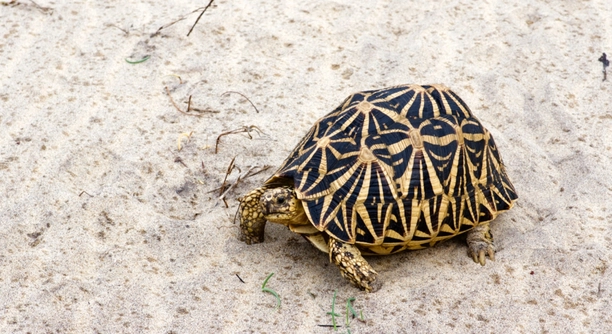
Taking care of your Indian star tortoise means ensuring it gets enough exercise. These creatures need movement for healthy growth and development. This guide will provide simple tips on how to make sure your tortoise stays active.
To ensure your Indian star tortoise gets enough exercise, it is essential to create an environment that encourages movement. Providing a spacious enclosure, outdoor playtime, and enriching activities like obstacle courses will help stimulate your tortoise’s natural behaviors.
Your tortoise needs more than just food and shelter. With these strategies, you can keep your tortoise active and healthy for the long term.
Create a Spacious Enclosure
A spacious enclosure is one of the easiest ways to encourage exercise for your Indian star tortoise. The more room they have to explore, the better it is for their health. A larger space gives them the opportunity to roam freely, allowing them to naturally move around and build muscle strength. This is important for preventing obesity, as well as supporting proper digestion.
Consider using a larger terrarium or outdoor pen, depending on your space. Aim for an area that’s at least 4×4 feet, but more space is always beneficial. Be sure to include hiding spots and rocks for climbing to make the environment more engaging.
Placing your tortoise in a larger area will help it be more active. Adding different types of terrain such as logs, sand, or soil allows them to exercise in a natural way. This setup mimics their wild habitat, where they would walk long distances in search of food and shelter.
Outdoor Time
Allowing your tortoise outdoor time is another great way to keep it active. Sunlight provides not only much-needed UVB light but also space for exercise. Be sure to supervise your tortoise while it’s outside to protect it from predators and accidents.
When outdoors, make sure the area is safe and free from chemicals or sharp objects. Create a secure, fenced space to allow your tortoise to roam freely, while keeping it protected from larger animals. The natural environment encourages movement, giving your tortoise the perfect setting to stretch its legs and get moving.
Besides the exercise benefits, outdoor time helps your tortoise stay happy and healthy. Exposure to fresh air and natural sunlight is crucial for its well-being, and it will naturally be more active when given the opportunity to explore. The environment is stimulating, promoting natural behaviors like burrowing and seeking food.
Provide Obstacle Courses
Obstacle courses are a great way to keep your tortoise engaged. By setting up simple barriers like rocks, tunnels, or ramps, you can create a fun and challenging environment. This will encourage movement and exploration, improving both physical and mental health.
You don’t need fancy equipment; even a few household items can be repurposed for this. Try using bricks or logs to create tunnels or barriers. The tortoise will naturally navigate around or over them, stimulating its muscles and helping with coordination. Over time, increase the difficulty level to keep things interesting.
These courses will keep your tortoise moving for longer periods. It’s also a good way to break up its daily routine, which helps prevent boredom. Remember, variety is key; mix up the layout to keep the experience fresh. You’ll soon notice how much more active and engaged your tortoise becomes.
Use Interactive Feeding
Interactive feeding can make meal times more stimulating and encourage your tortoise to move around. Hide food around its enclosure or use puzzle feeders to make them work for their meals. This method promotes exercise while allowing them to search for their food.
By making your tortoise find its food, you encourage both natural foraging behavior and physical activity. You can hide food under small rocks, within plants, or even bury it in the substrate. Your tortoise will move around searching, providing extra exercise during feeding times. Be sure to offer a variety of foods to keep things interesting.
Changing the feeding routine also prevents your tortoise from becoming too sedentary. As they forage, they’ll naturally engage more with their environment. This process mimics how they would hunt for food in the wild, encouraging mental stimulation and helping with their physical health. Over time, you’ll notice a more energetic tortoise.
Offer Safe Climbing Opportunities
Adding safe climbing structures can encourage your tortoise to stretch and move in different ways. Simple rocks or sturdy logs provide great opportunities for climbing, which helps build strength and coordination. These climbing spots simulate natural environments where your tortoise might navigate different terrains.
Climbing is a natural behavior for tortoises, and providing these opportunities helps satisfy their instincts. Choose stable structures to ensure safety and make sure they’re not too high to avoid injury. Your tortoise will enjoy exploring different heights, which adds variety to its daily routine.
Provide Regular Playtime
Playtime outside of its enclosure will give your tortoise a chance to move in a larger, open space. Supervised, non-restricted time allows your tortoise to roam, bask, and dig, encouraging natural exercise patterns. Playtime helps your tortoise develop muscle strength and agility.
Give your tortoise at least 30 minutes of playtime outside its enclosure daily. Make sure the area is safe, free of predators or hazards, and supervise closely. This is a simple way to boost its exercise levels and improve overall health.
FAQ
How much exercise does my Indian star tortoise need each day?
Indian star tortoises should get at least 1-2 hours of exercise every day. This includes time spent roaming in a safe outdoor area or within their enclosure. They benefit from being active regularly, as this supports both their physical health and mental stimulation. If you can, provide additional time outside in a secure, open area to allow them more space to move. However, even within a smaller enclosure, setting up obstacles or giving them something to climb on can encourage them to stay active.
Can I use a hamster wheel or other equipment to exercise my tortoise?
It’s not recommended to use a hamster wheel for a tortoise. Unlike smaller animals, tortoises move at a slower pace and aren’t designed to run in such a contraption. Instead, focus on providing natural opportunities for exercise, such as climbing structures, outdoor playtime, or obstacle courses. These encourage natural movement patterns and ensure your tortoise stays healthy.
What types of food can I hide for my tortoise to encourage exercise?
You can hide leafy greens, fruits like strawberries or melon, and small pieces of vegetables like carrots or cucumbers. These foods are healthy and will encourage your tortoise to explore and forage. Make sure the food is safe for them to eat and avoid anything toxic, such as iceberg lettuce. Hiding food throughout the enclosure will keep them moving and engaged while they search for their next meal.
Should I let my tortoise exercise indoors or outdoors?
Both indoor and outdoor exercise are important. If you have a safe, enclosed outdoor area, it provides more space for them to roam and bask in the sun. Outdoor time also provides natural UVB exposure, which is crucial for their health. If it’s not feasible to let your tortoise outside, creating a large indoor enclosure with plenty of climbing opportunities and obstacles can still allow for effective exercise.
Can I over-exercise my tortoise?
It’s possible to overdo it, especially with younger or smaller tortoises. Over-exercising can cause stress or injury, so it’s important to watch for signs of fatigue, like slower movements or a lack of interest in continuing. Provide breaks during playtime and avoid pushing them too hard. It’s best to keep exercise sessions within reasonable limits and gradually increase intensity as your tortoise gets more accustomed to regular activity.
What if my tortoise is very sedentary?
If your tortoise is not showing interest in exercise, try changing its environment or routine. It may be bored with its current setup. Try adding more climbing structures or rearranging the enclosure to provide new areas to explore. If this doesn’t help, check if there are underlying health issues that may be preventing them from being active, such as inadequate lighting or improper diet. Consult with a vet if the issue persists.
How can I tell if my tortoise is getting enough exercise?
A healthy tortoise should be alert and active during its waking hours. If your tortoise is moving around its enclosure, climbing, foraging, and exploring, it’s likely getting sufficient exercise. You should also see muscle definition, particularly in the legs and neck. A lack of activity, along with weight gain, lethargy, or muscle weakness, can indicate that your tortoise needs more exercise.
Can I use a leash to exercise my tortoise?
While using a leash can be done, it’s not ideal for regular exercise. Tortoises naturally prefer to move freely, and being on a leash might restrict their movement, causing stress. If you do use a leash, make sure it’s lightweight and not too tight, and only use it for short periods in safe, open areas.
What should I do if my tortoise refuses to climb or move?
If your tortoise seems reluctant to climb or move, first check its environment. Ensure that it has a suitable temperature, proper lighting, and a variety of surfaces to climb on. If the enclosure is too small or too bland, they may not feel motivated to move. It’s also important to check if they’re receiving enough food and hydration. If the behavior continues, consider a vet visit to rule out health issues.
Final Thoughts
Keeping your Indian star tortoise active is essential for its overall health and well-being. Exercise helps with muscle development, digestion, and preventing obesity. It also encourages natural behaviors that are crucial for their mental stimulation and happiness. By creating an environment that promotes activity, like adding climbing structures or setting up obstacle courses, you can make sure your tortoise stays engaged and healthy. Regular outdoor time is also a great way for them to move freely and get natural sunlight, which supports their overall health.
While it may seem like a lot of work to ensure your tortoise gets enough exercise, it doesn’t have to be complicated. A few simple changes, like providing a larger enclosure or hiding food for them to forage, can have a big impact. These small adjustments will keep your tortoise from becoming sedentary and help them stay active. Just remember that exercise doesn’t have to be limited to a specific time of day. With the right setup, your tortoise can stay active throughout the day, naturally seeking out opportunities for movement.
Lastly, it’s important to keep an eye on your tortoise’s health and behavior. If you notice any changes in activity levels, it could be a sign of underlying health issues or that they’re not getting enough exercise. If you’re ever unsure, don’t hesitate to consult with a veterinarian who specializes in reptiles. By staying proactive and giving your tortoise the right environment, you can help ensure it lives a long, healthy life.

Hello,
If you enjoy the content that we create, please consider saying a "Thank You!" by leaving a tip.
Every little bit helps us continue crafting quality advice that supports the health, happiness, and well-being of pets around the world, for pets of all shapes, sizes, and species.
We really appreciate the kindness and support that you show us!