
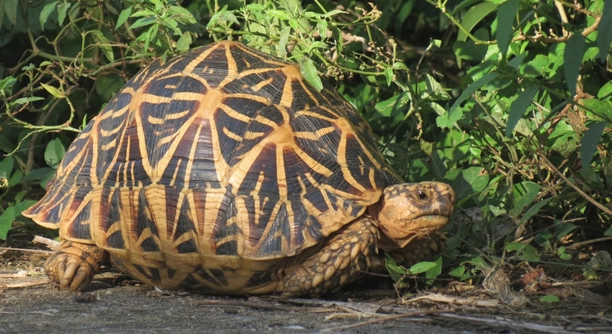
A healthy diet is essential for the growth and development of your Indian Star Tortoise. As a pet owner, understanding which foods contribute to their overall well-being can help ensure they live a long, healthy life.
The primary foods that support healthy growth in an Indian Star Tortoise include dark leafy greens, vegetables, fruits, and high-fiber grasses. Providing a variety of these nutrient-rich foods ensures proper digestion, hydration, and balanced nutrition, fostering optimal growth and health.
These foods will help guide you in maintaining a balanced diet, promoting a thriving tortoise.
Dark Leafy Greens: A Key Component
Dark leafy greens are a must-have for your tortoise’s diet. These greens, such as collard greens, dandelion greens, and mustard greens, are rich in calcium and fiber, which are crucial for healthy shell growth and digestion. They also contain important vitamins, such as A and C, that support your tortoise’s immune system and overall health. Offering a variety of dark leafy greens will prevent nutrient deficiencies and ensure your pet receives balanced nourishment.
In addition to calcium, dark leafy greens provide your tortoise with essential antioxidants that help protect against cell damage. Regular feeding of these greens promotes better digestion and supports a strong immune system, which is vital for growth.
A balanced portion of dark leafy greens should be offered daily to keep your Indian Star Tortoise healthy and thriving. It’s important to wash the greens thoroughly to remove any pesticides or chemicals that could be harmful to them.
Vegetables: Versatile and Nutritious
Vegetables such as carrots, zucchini, and bell peppers are great additions to your tortoise’s diet. They provide a variety of essential nutrients, including vitamins and minerals.
Including vegetables in your tortoise’s diet offers the benefits of hydration, fiber, and vitamins, helping with both digestion and overall growth. Always choose fresh, organic vegetables, as these offer the most nutrients. Avoid those that are high in oxalates or too acidic, as they can cause digestive issues.
Fruits: A Sweet Addition
Fruits like papaya, strawberries, and apples can be enjoyed by your Indian Star Tortoise in moderation. These fruits provide a natural source of sugar and vitamins, including Vitamin C, which supports the immune system and helps with skin health.
While fruits are a tasty treat, they should not make up the bulk of the diet. The sugar content in fruits can be too much if fed in excess, leading to digestive issues or weight gain. Use fruits as an occasional addition, ensuring variety and balance in the overall diet.
Offering small, bite-sized pieces of fruit alongside other foods can encourage healthy eating habits. Always remove seeds and pits to avoid choking hazards.
High-Fiber Grasses: Natural Nutrition
Grasses like timothy hay are essential for maintaining proper digestion in your tortoise. High in fiber, they promote healthy gut function and help prevent constipation. Offering these grasses regularly supports your tortoise’s overall well-being.
Hay should be the primary source of fiber in your pet’s diet. It encourages natural grazing behavior, providing mental stimulation and promoting physical activity. Ensure your tortoise has access to fresh hay daily to keep its digestive system functioning smoothly.
Timothy hay, in particular, is an excellent choice as it is low in protein and calcium, which helps prevent urinary tract problems. It’s also ideal for maintaining a healthy weight.
Calcium-Rich Foods: Vital for Strong Shells
Calcium is crucial for healthy shell growth and overall bone development in your tortoise. Foods like kale, bok choy, and broccoli are high in calcium and should be included regularly in your tortoise’s diet.
However, too much calcium can lead to health issues such as kidney problems. Be sure to balance the calcium-rich foods with others to maintain proper nutrition. A calcium supplement may also be recommended by a vet to ensure your tortoise receives the correct amount.
Protein-Rich Foods: Essential for Growth
Young Indian Star Tortoises, in particular, need more protein to support their growth. Offer foods like boiled eggs and earthworms, which provide high-quality protein. Protein helps with muscle and shell development, contributing to strong, healthy growth.
Too much protein can cause kidney problems, so it’s important to feed these items sparingly. As your tortoise ages, the need for protein will decrease. Always monitor your tortoise’s health and adjust their diet accordingly.
FAQ
What is the best diet for an Indian Star Tortoise?
The best diet for an Indian Star Tortoise includes dark leafy greens, high-fiber grasses, calcium-rich foods, and occasional fruits and vegetables. These foods provide essential nutrients that support growth, digestion, and overall health. Avoid too much fruit or high-protein foods, as they can cause health issues. A balanced diet of these foods ensures your tortoise receives the proper nutrition for a long, healthy life.
Can I feed my tortoise lettuce?
Lettuce can be fed to your Indian Star Tortoise, but it should not be a staple. Leafy lettuces like romaine can provide hydration and some vitamins but lack essential nutrients like fiber and calcium. Avoid iceberg lettuce, as it has little nutritional value and can cause digestive issues. It’s best to offer lettuce occasionally, alongside more nutritious greens.
How often should I feed my Indian Star Tortoise?
Young Indian Star Tortoises should be fed daily, while adults typically need food every other day. Overfeeding can lead to obesity, so portion control is important. The amount of food should be based on your tortoise’s size and age. Always ensure that food is fresh, clean, and properly prepared.
Should I supplement my tortoise’s diet with vitamins or calcium?
Yes, supplementing with calcium is often necessary, especially for young tortoises or those not getting enough from their diet. You can dust their food with a calcium powder once or twice a week. A multivitamin supplement can be given occasionally, but be sure to avoid over-supplementing, as it can lead to health problems.
Is fruit safe for my Indian Star Tortoise?
Fruit is safe for your tortoise, but it should only be offered in moderation. High sugar content in fruits can cause digestive issues if fed too frequently. Fruits like papaya, berries, and apples are good choices but should not exceed 10-15% of their overall diet. Always remove any seeds or pits before feeding.
Can I feed my tortoise protein-rich foods like insects or eggs?
Yes, protein is important for young tortoises, but adult tortoises require much less. Protein-rich foods like boiled eggs and insects can be offered sparingly, especially to younger tortoises for growth. Overfeeding protein can lead to kidney damage, so keep portions small and infrequent as your tortoise matures.
What should I do if my tortoise isn’t eating?
If your tortoise is not eating, first check for signs of illness, like lethargy or unusual behavior. Environmental factors such as temperature and humidity could be the issue. Ensure your tortoise has access to a proper heat source and that its habitat is clean. If the lack of appetite continues, consult a veterinarian.
Can I feed my tortoise flowers or plants from my garden?
Some flowers and plants are safe for your tortoise, such as dandelions, hibiscus, and clover. However, you should be cautious, as many plants contain toxins harmful to tortoises. Never feed your tortoise plants that have been treated with pesticides or chemicals. Always research any new plant before offering it to your pet.
How can I ensure my tortoise gets enough hydration?
Hydration is key for your tortoise’s health. Make sure they always have access to clean, fresh water. Tortoises can also absorb water through their skin, so occasional misting or placing them in a shallow water dish for a bath can help with hydration. Be sure to remove any standing water after bath time to prevent the growth of bacteria.
What are the best grasses to feed my tortoise?
Grasses like timothy hay, rye grass, and meadow hay are great for your tortoise. These high-fiber grasses help with digestion and prevent constipation. Always provide fresh hay and avoid overly processed or sweetened varieties. Grasses should make up a significant portion of your tortoise’s diet, especially for adults.
Can I feed my tortoise store-bought pellets?
Store-bought pellets can be offered occasionally, but they should not replace fresh, natural foods. Pellets often lack the variety of nutrients found in fresh fruits, vegetables, and grasses. If using pellets, ensure they are high quality, free of additives, and low in protein. Fresh foods should always be prioritized for optimal health.
How can I make sure my tortoise is growing properly?
Monitor your tortoise’s weight and size regularly. A healthy tortoise should grow steadily without excessive weight gain or loss. Ensure they are getting a balanced diet, proper temperature, and enough exercise. Regular veterinary check-ups can help ensure your tortoise is growing at a healthy rate and doesn’t have any underlying issues.
Is it safe to feed my tortoise spinach?
Spinach is safe for your tortoise in small amounts, but it contains high levels of oxalates, which can bind to calcium and prevent proper absorption. Too much spinach can lead to calcium deficiency and kidney problems. Feed spinach occasionally and in combination with other greens to balance out its effects.
Final Thoughts
Caring for an Indian Star Tortoise requires attention to detail, especially when it comes to their diet. Offering a variety of fresh, nutrient-rich foods is essential for their health and growth. A balanced diet consisting of dark leafy greens, fiber-rich grasses, and occasional fruits and vegetables will help maintain their well-being. It is important to remember that overfeeding certain foods, like protein or fruits, can lead to health issues. By maintaining variety and proper portion control, your tortoise will thrive.
Monitoring the condition of your tortoise’s shell, weight, and behavior will give you a good indication of whether their diet is on track. Regular checkups with a veterinarian are also a great way to ensure your pet is healthy and growing at a proper rate. Tortoises are known for their long lifespan, so creating a sustainable and balanced feeding routine is vital for their long-term health. Consistency in their diet and care will help prevent problems and allow your tortoise to live a fulfilling life.
While it may take some time to learn what works best for your tortoise, the effort will be worthwhile. Tortoises are gentle creatures that require patience and dedication to thrive. By providing the right foods and creating a proper environment, you can ensure that your Indian Star Tortoise stays healthy, happy, and strong for years to come. Remember, every tortoise is different, so it’s important to adjust their diet as needed based on their individual needs and age.

Hello,
If you enjoy the content that we create, please consider saying a "Thank You!" by leaving a tip.
Every little bit helps us continue crafting quality advice that supports the health, happiness, and well-being of pets around the world, for pets of all shapes, sizes, and species.
We really appreciate the kindness and support that you show us!