
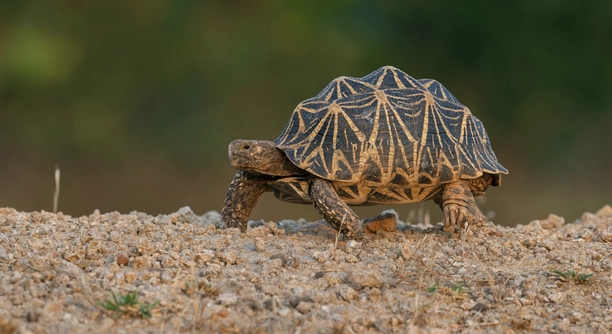
If your Indian Star Tortoise has been rubbing its head frequently, it might be signaling something about its well-being. There are several reasons why this behavior may occur, and understanding the cause is important for its care.
Head rubbing in Indian Star Tortoises can indicate various issues such as irritation, stress, or even an attempt to shed old skin. It may also be a sign of discomfort due to factors like incorrect humidity levels or an improper diet.
Addressing these possible causes is essential for your tortoise’s comfort and health. Keep reading to learn more about the common explanations and how to ensure your pet stays healthy.
1. Irritation or Itching from Shell Growth
Tortoises naturally shed their skin and sometimes rub their heads as they try to remove dead skin cells or debris. This behavior can also occur as the tortoise’s shell grows. As their shell hardens, it may cause discomfort, especially around the head and neck area. The rubbing is a way for your tortoise to relieve this irritation.
If your tortoise is rubbing its head frequently, it could be trying to alleviate this pressure. Be sure to observe if the rubbing happens after shedding events or when the shell grows more noticeably. Adjusting humidity levels can help your tortoise shed skin more easily and prevent irritation.
You can create a more comfortable environment by ensuring the right temperature and humidity levels. A shallow dish of water for soaking can also provide relief. If the behavior continues, however, consider consulting a veterinarian to rule out any underlying skin issues.
2. Stress or Anxiety
Stress in tortoises can be caused by changes in their environment, such as new surroundings or disturbances. These changes may make your tortoise feel threatened or anxious, leading to head rubbing. Stress could also be a result of improper handling.
A stressed tortoise may not only rub its head but also exhibit other signs like excessive hiding or a decrease in appetite. It’s essential to maintain a stable environment, ensuring the enclosure is quiet, consistent, and free of sudden changes. Avoid handling your tortoise too much, especially if it seems unsettled.
Make sure your tortoise has a comfortable, stress-free environment. Providing enough hiding spots, access to fresh food, and a quiet, secure space can help alleviate stress. If the behavior persists, a change in care practices or seeking advice from an expert may be necessary.
3. Incorrect Humidity Levels
Humidity plays a significant role in your tortoise’s comfort. If the humidity in its enclosure is too low, your tortoise might rub its head in an attempt to relieve dryness or irritation. Tortoises rely on proper moisture levels to maintain healthy skin and to shed effectively.
To fix this, ensure your tortoise’s enclosure has the correct humidity range for its species. A humidity level of around 50-60% is ideal for Indian Star Tortoises. You can increase the humidity by lightly misting the enclosure or adding a water dish. Using a hygrometer will help monitor levels consistently.
In addition to humidity, your tortoise will benefit from a proper temperature gradient within the enclosure. Make sure there’s a warmer area for basking and a cooler side for resting. This will help your tortoise maintain the right body temperature and avoid further stress.
4. Poor Diet or Lack of Nutrients
A poor diet can lead to head rubbing in tortoises, particularly if they are lacking essential nutrients. Deficiencies in calcium or vitamin A may cause discomfort and irritate the skin. Without these nutrients, your tortoise may rub its head as a way to manage discomfort.
Offering a balanced diet of leafy greens, grasses, and occasional fruits is important. Calcium supplements, such as cuttlebone or calcium powder, should be provided regularly. A deficiency in vitamin A can also cause skin issues, so be sure to include foods rich in this vitamin, like carrots and sweet potatoes.
If you suspect your tortoise is not receiving enough nutrients, consider consulting a veterinarian. They can recommend proper supplements to address deficiencies and suggest a more balanced feeding routine. Keeping a close eye on your tortoise’s diet will ensure it remains healthy and comfortable.
5. Mites or Other External Parasites
Mites or external parasites can cause irritation, leading your tortoise to rub its head. These parasites often hide under the skin or on the shell, causing discomfort as they feed. Regularly check your tortoise for signs of mites, such as small, red spots or visible movement on the skin.
If you notice signs of mites, it’s important to address the issue immediately. Mites can spread quickly, so quarantining your tortoise and treating it with a safe parasite medication is essential. Consult your veterinarian to ensure you use the right treatments, as some medications may not be safe for all tortoises.
6. Inadequate Lighting
Inadequate lighting can contribute to head rubbing in your tortoise. UVB light is essential for your tortoise’s health, especially for shell growth and calcium absorption. Without proper UVB exposure, your tortoise may experience discomfort, leading to behaviors such as head rubbing.
Make sure your tortoise has access to a reliable UVB light source. This should be placed within the enclosure, ideally at a distance of 6-12 inches from the basking area. Change the bulb every 6-12 months, as UVB strength diminishes over time.
Proper lighting not only aids in physical health but also helps regulate your tortoise’s sleep cycle. Ensure the light is on for 10-12 hours per day to maintain a natural rhythm and avoid additional stress.
7. Respiratory Issues
Respiratory problems can cause your tortoise to rub its head as it tries to relieve discomfort. Infections or illnesses that affect the respiratory system often result in nasal discharge, wheezing, or labored breathing. These conditions may make your tortoise feel uncomfortable, prompting rubbing behavior.
If you notice abnormal breathing patterns or nasal discharge, it’s important to seek veterinary care right away. Respiratory infections can worsen without treatment, so early intervention is key to recovery. A humid environment may help, but only a veterinarian can determine the appropriate course of action.
FAQ
What should I do if my tortoise keeps rubbing its head?
If your tortoise is frequently rubbing its head, it’s important to first assess the environment and check for any potential issues. Ensure the humidity, temperature, and lighting in the enclosure are correct. Additionally, monitor your tortoise’s diet and look for any signs of external parasites or mites. If none of these factors seem to be the cause, consider a visit to the vet to rule out any medical conditions, such as respiratory issues or skin irritation.
Can dry skin cause my tortoise to rub its head?
Yes, dry skin can lead to your tortoise rubbing its head. This can be caused by low humidity levels or insufficient soaking. Tortoises, especially in dry conditions, may rub their heads against surfaces to alleviate irritation caused by dry, shedding skin. Providing a water dish for soaking and adjusting the humidity in the enclosure can help prevent this behavior.
How can I maintain proper humidity for my tortoise?
To maintain proper humidity for your tortoise, regularly mist the enclosure with water, or place a shallow water dish inside. Using a hygrometer can help monitor the humidity levels, which should be between 50-60% for an Indian Star Tortoise. Make sure the substrate is not too dry, as this can cause the environment to be too arid for your tortoise.
How can I ensure my tortoise’s diet is balanced?
A balanced diet is crucial for your tortoise’s overall health. Offer a variety of leafy greens like dandelion greens, collard greens, and mustard greens. You can also provide grasses and occasional fruits in small amounts. Supplement with calcium to promote shell growth and prevent deficiencies. Avoid feeding your tortoise high-oxalate foods, such as spinach, which can interfere with calcium absorption.
What causes a tortoise to rub its head excessively?
Excessive head rubbing can result from several factors, including irritation from skin shedding, stress, or inadequate environmental conditions like low humidity or improper lighting. If the rubbing is persistent, check the enclosure’s temperature, humidity, and lighting. Additionally, a poor diet or an underlying health issue, such as mites or respiratory infection, could be contributing to the behavior.
Can stress cause my tortoise to rub its head?
Yes, stress is a common cause of head rubbing in tortoises. Stress can be caused by environmental changes, such as moving to a new enclosure or noise in the area. Overhandling can also make your tortoise feel anxious, leading to rubbing as a self-soothing behavior. To reduce stress, maintain a stable, quiet environment and avoid excessive handling.
Is it possible for my tortoise to rub its head because of mites?
Mites can cause irritation and discomfort, leading your tortoise to rub its head. These small parasites hide under the skin and feed on the tortoise, causing itching and skin damage. Inspect your tortoise for signs of mites, such as small red spots or visible movement on the skin. If you find mites, consult a vet for proper treatment and to prevent further spread.
How often should I soak my tortoise?
Soaking your tortoise regularly is beneficial for hydration and to assist with shedding. Aim to soak your tortoise in warm water for about 20-30 minutes, two to three times a week. This will help prevent dehydration and skin issues, especially in species like the Indian Star Tortoise, which require high humidity levels.
Does improper lighting affect my tortoise’s health?
Yes, inadequate lighting can significantly affect your tortoise’s health, especially if UVB light is not provided. UVB is necessary for proper calcium absorption and shell growth. Without adequate UVB exposure, your tortoise could suffer from metabolic bone disease or other health problems. Make sure your tortoise has access to a UVB light for 10-12 hours a day, and replace the bulb every 6-12 months.
Can head rubbing indicate an illness in my tortoise?
Head rubbing could indicate an illness, particularly if accompanied by other symptoms, such as labored breathing, nasal discharge, or a decrease in appetite. Respiratory infections and skin problems are common causes of discomfort. If your tortoise shows any signs of illness, it’s essential to seek veterinary care immediately to avoid complications.
How can I tell if my tortoise’s shell is growing properly?
A healthy tortoise shell should grow gradually and evenly. You may notice slight rubbing of the head as your tortoise sheds old skin or adjusts to shell growth. However, if the shell appears soft, deformed, or has cracks, this could be a sign of nutritional deficiencies, poor care, or a health issue. Ensure your tortoise is getting a proper diet and is in an optimal environment for shell growth.
Are there any specific signs I should look for if my tortoise is sick?
Some common signs of illness in tortoises include loss of appetite, lethargy, abnormal breathing, nasal discharge, swollen eyes, or changes in behavior like excessive rubbing of the head. If you notice any of these symptoms, consult a veterinarian experienced in reptile care. Early detection and treatment can help prevent more serious health issues.
Can my tortoise rub its head because of allergies?
Allergies are rare in tortoises, but it’s possible that certain environmental factors, such as the substrate or cleaning products, could cause irritation. If you recently changed the bedding or added new items to the enclosure, your tortoise may be rubbing its head to alleviate discomfort. Consider switching to a more natural substrate and using chemical-free cleaning products to see if the behavior improves.
Final Thoughts
Understanding the reasons behind your Indian Star Tortoise rubbing its head is essential for providing the best care. While occasional head rubbing can be a normal behavior, frequent or excessive rubbing may indicate underlying issues such as environmental factors, diet problems, or health concerns. It’s important to monitor your tortoise’s behavior closely and take steps to ensure its living conditions are optimal. Ensuring that the temperature, humidity, and lighting are appropriate will go a long way in preventing unnecessary stress or discomfort for your tortoise.
If the rubbing persists despite correcting environmental factors, consider checking your tortoise for external parasites, like mites, or other health issues. A veterinarian with experience in reptile care can help diagnose any potential problems. Early intervention is key to preventing more serious health conditions from developing. If the rubbing is related to shedding or skin irritation, regular soaking and proper humidity management can help resolve the issue.
Taking the time to understand your tortoise’s behavior and address potential causes will ensure your pet stays healthy and comfortable. The head rubbing, while concerning at first, is often a sign of something that can be easily fixed with the right care and attention. By providing a proper habitat and keeping an eye on your tortoise’s overall health, you can create a happy and thriving environment for your pet.

Hello,
If you enjoy the content that we create, please consider saying a "Thank You!" by leaving a tip.
Every little bit helps us continue crafting quality advice that supports the health, happiness, and well-being of pets around the world, for pets of all shapes, sizes, and species.
We really appreciate the kindness and support that you show us!