
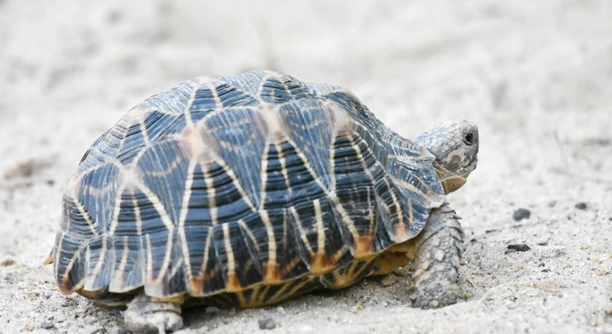
Is your Indian star tortoise displaying unusual behaviors, and you’re wondering if it’s ready to mate? Recognizing the signs of mating readiness can help you provide the right environment and care to support your tortoise’s natural reproductive instincts.
Male Indian star tortoises show readiness by becoming more active, engaging in mounting behaviors, and making distinctive grunting sounds. Females may exhibit restlessness and increased appetite. Observing these signs ensures proper conditions for breeding and successful reproduction.
Understanding these behaviors will help you determine the right time to support your tortoise’s natural breeding cycle and overall well-being.
Increased Activity and Restlessness
Male Indian star tortoises become noticeably more active when they are ready to mate. They move around their enclosure more frequently, exploring their surroundings with greater curiosity. You may notice them pacing, climbing, or even nudging objects. This increased movement is a natural part of their mating behavior, signaling their readiness to seek out a partner. Female tortoises may also show restlessness, but their movements are often more subtle. Instead of actively seeking a mate, they may appear more alert and responsive to their environment. Providing ample space and a comfortable habitat ensures your tortoise can express these behaviors naturally.
Tortoises that are ready to mate may also become more persistent in their interactions with other tortoises. Males, in particular, may follow females closely, showing a strong interest in their presence. If you notice these signs, it may be time to consider the right conditions for breeding.
If your tortoise’s activity levels have noticeably increased, observing their interactions can help confirm their readiness to mate. Watching their behaviors closely ensures you understand their needs and can provide the appropriate care.
Vocalizations and Mounting Behavior
Mating readiness in male Indian star tortoises is often accompanied by vocalizations. They produce soft grunting sounds, especially when interacting with a female. These sounds indicate excitement and help communicate their intent to mate.
Males also display mounting behavior, which is a clear sign they are ready to breed. They may attempt to climb onto the female’s shell while continuing their vocalizations. This behavior is a natural part of the mating process, demonstrating persistence and reproductive readiness. Some males may even become more territorial during this time, asserting dominance over other tortoises in the enclosure.
If you observe these behaviors, ensure the enclosure provides a safe and stress-free environment. A well-maintained habitat with soft substrate, proper humidity, and hiding spaces will keep both tortoises comfortable. If breeding is not your goal, separating the tortoises may be necessary to prevent stress or aggression.
Changes in Eating Habits
Some Indian star tortoises experience an increase in appetite when they are ready to mate. They may eat more frequently or show interest in foods they previously ignored. Others may become slightly less interested in food, focusing more on their surroundings and potential mates.
A male tortoise may eat quickly and then become preoccupied with locating a female. His focus shifts to mating behaviors rather than feeding. A female, on the other hand, might consume more food to prepare her body for potential egg-laying. Ensuring a nutrient-rich diet during this time supports their overall health. If you notice changes in appetite alongside other mating behaviors, it could indicate reproductive readiness. Providing fresh greens, calcium supplements, and a balanced diet will help maintain their energy levels.
If food consumption changes drastically or a tortoise refuses to eat for extended periods, stress or environmental factors could be affecting them. Monitoring their diet and behavior ensures they remain in optimal health. Maintaining a stable habitat with proper temperature and humidity helps regulate their natural rhythms and keeps them comfortable during this phase.
Increased Interaction with Other Tortoises
Mating readiness often leads to noticeable behavioral changes in social interactions. Males become more persistent, following females around and attempting to stay close to them. They may gently nudge, bump, or circle the female in an effort to get her attention. Some females respond by retreating, while others may tolerate the male’s presence.
Males also display head bobbing and shell ramming, which serve as signals of dominance and interest. If a female is receptive, she will remain still or move slowly, allowing the male to continue his approach. If she is not ready, she may walk away or hide. These interactions are important in establishing compatibility. Keeping an eye on their behavior ensures that mating attempts do not cause unnecessary stress or aggression. Providing separate hiding spots can help females retreat if they feel overwhelmed.
Territorial Behavior
Males may become more territorial when they are ready to mate. They might guard certain areas of the enclosure, blocking access to food or basking spots. This behavior is a natural way of asserting dominance and securing the best conditions for attracting a mate.
Aggressive displays like pushing or nudging other tortoises can also occur. If housing multiple males together, competition may increase, leading to frequent confrontations. Providing enough space and separate feeding areas can help reduce stress. If aggression becomes excessive, temporarily separating individuals may be necessary to maintain a peaceful environment.
Digging and Nesting Behavior
Females often start digging when they are preparing to lay eggs. They use their back legs to create a shallow pit in a warm, moist area. This instinctive behavior helps them find the ideal spot for egg-laying. Ensuring a soft substrate allows them to dig comfortably.
Change in Daily Routine
Tortoises may alter their usual schedules when they are ready to mate. They might wake earlier, bask longer, or explore different areas more frequently. These subtle shifts in behavior indicate a change in priorities, signaling reproductive readiness and the need for an optimal environment.
FAQ
How do I know if my Indian star tortoise is ready to mate?
When a male tortoise is ready to mate, you’ll notice an increase in activity. He may begin following females around and making vocalizations, such as grunting sounds. Males may also attempt to mount the female. Female tortoises often show signs of restlessness and might eat more as they prepare for egg-laying. If both tortoises are displaying these behaviors, it’s likely a sign that mating readiness is approaching.
Can I keep multiple males together during mating season?
It’s not ideal to house multiple males together during mating season. Males often become territorial and competitive, leading to stress and aggression. If you notice constant fighting or territorial behaviors, it’s best to separate them. Providing enough space and hiding spots can help reduce tension.
How often do Indian star tortoises mate?
Indian star tortoises typically mate during the warmer months, with a mating period occurring once or twice a year. However, the exact timing can vary depending on environmental factors like temperature, humidity, and food availability. It’s essential to monitor your tortoises during this time to ensure they are comfortable and healthy.
Do female Indian star tortoises mate every year?
Females can mate every year, but they might not lay eggs each time. Their ability to produce eggs is influenced by factors like diet, age, and environmental conditions. Some females may skip a breeding season if their health or the conditions are not ideal for egg production.
What should I do if my tortoises are fighting during mating season?
If your tortoises are fighting, separate them immediately to prevent injury or stress. During mating season, males can become overly aggressive. Make sure each tortoise has enough space, hiding areas, and access to food. Keeping them in separate enclosures can prevent conflicts.
Can I breed my Indian star tortoises in captivity?
Yes, it is possible to breed Indian star tortoises in captivity. However, it requires careful preparation and the right conditions. You’ll need a large enclosure, appropriate temperature and humidity levels, and a suitable nesting area for females. If you’re not experienced with breeding tortoises, it’s important to do thorough research or consult a veterinarian or expert.
How can I prepare my tortoises for mating season?
To prepare your tortoises for mating, ensure they are housed in a spacious, comfortable environment with proper temperature and humidity. Provide a balanced diet rich in nutrients to support their health. Make sure there are adequate hiding spots and basking areas for both males and females to reduce stress.
Why is my female tortoise not interested in mating?
There could be several reasons for a female tortoise’s lack of interest in mating. She may not be ready, especially if the environmental conditions are not favorable, such as incorrect temperature or lighting. Additionally, stress, age, or health problems can affect her behavior. Monitor her closely for signs of health issues and make sure the habitat is optimal.
How do I encourage my tortoises to mate?
To encourage mating, make sure the tortoises are in a comfortable and stress-free environment. Maintain an appropriate temperature and humidity level, provide a variety of food, and ensure the enclosure is large enough for the tortoises to roam and interact. Avoid interfering with their natural behaviors.
Can Indian star tortoises mate in the wild?
Yes, Indian star tortoises mate in the wild as part of their natural reproductive cycle. In their natural habitat, they are often able to find the right conditions for mating, including suitable temperature, food sources, and safe spaces for nesting. Captive breeding attempts should mimic these conditions to be successful.
How long does it take for Indian star tortoises to mate?
Mating in Indian star tortoises can take anywhere from several minutes to an hour. Male tortoises often engage in prolonged courtship behaviors, including vocalizations and mounting. The actual mating process is usually quick, but it can be repeated over several days.
What happens after my tortoises mate?
Once mating is complete, the female will lay eggs if conditions are right. She will start digging a nest, typically in a warm, soft substrate. If she is healthy, she may lay multiple eggs at once. Ensure you provide the proper nesting area for the female to lay her eggs safely.
How do I care for the eggs after mating?
Once the female lays her eggs, it’s important to carefully collect them if you’re incubating them. Maintain a warm and humid environment for the eggs, with consistent temperature and moisture levels. The incubation period for Indian star tortoises is typically between 70 to 120 days, depending on the conditions.
Can I handle the tortoises during mating season?
It’s best to minimize handling during mating season. Tortoises may become stressed during this time, especially if they are being disturbed frequently. If handling is necessary, be gentle and ensure the environment is safe for the tortoises. Avoid interfering with their natural behaviors.
How can I tell if my tortoises are healthy enough to mate?
Healthy tortoises are more likely to successfully mate. Ensure your tortoises have a balanced diet, adequate space, and appropriate environmental conditions. They should have a clean shell, healthy eyes, and no signs of illness or injury. If you are unsure about their health, consult a veterinarian before breeding.
What should I do if my tortoises are not mating?
If your tortoises are not mating, check their living conditions first. Stress, poor diet, or an unsuitable environment can affect their behavior. Make sure they have ample space, the right temperature, and humidity. If mating is still not occurring, give them time, as some tortoises breed less frequently than others.
Final Thoughts
Understanding the signs that your Indian star tortoise is ready to mate is essential for ensuring their well-being during the breeding process. By paying attention to their behaviors, such as increased activity, territorial displays, and changes in daily routine, you can better prepare them for mating. These signs indicate that the tortoises are hormonally prepared and ready to engage in natural reproduction. However, it’s important to create an environment that supports their needs, offering enough space, food, and proper habitat conditions to reduce stress and promote healthy behaviors.
Creating the right environment for your tortoises is key to their health and successful breeding. This includes maintaining the correct temperature, humidity, and substrate for nesting. Males will compete for attention and may display territorial behavior, while females may become more focused on digging and finding suitable nesting spots. To prevent aggression or stress, it’s crucial to provide separate areas for feeding and basking, especially when multiple tortoises are housed together. By maintaining a calm and well-structured environment, you will help your tortoises feel secure and comfortable.
If you decide to breed your tortoises, be aware that this is a big responsibility. While mating can be a natural part of their life cycle, it comes with the need for proper care and attention. Make sure both male and female tortoises are healthy, properly nourished, and housed in a suitable enclosure. You must also be prepared for the process of egg-laying and incubation. Whether you choose to breed them or not, it’s important to respect their natural behaviors and ensure they are cared for in a way that meets their specific needs. Taking the time to educate yourself on these behaviors will help ensure the happiness and health of your Indian star tortoises for years to come.

Hello,
If you enjoy the content that we create, please consider saying a "Thank You!" by leaving a tip.
Every little bit helps us continue crafting quality advice that supports the health, happiness, and well-being of pets around the world, for pets of all shapes, sizes, and species.
We really appreciate the kindness and support that you show us!